Modern energy markets present diverse hardware categories tailored to specific off-grid and backup requirements. Users seeking auxiliary power for temporary excursions often select a Portable Solar Power Station for lightweight mobility. These compact systems provide immediate electricity for small electronic devices without complex electrical installation procedures or permanent site preparation.
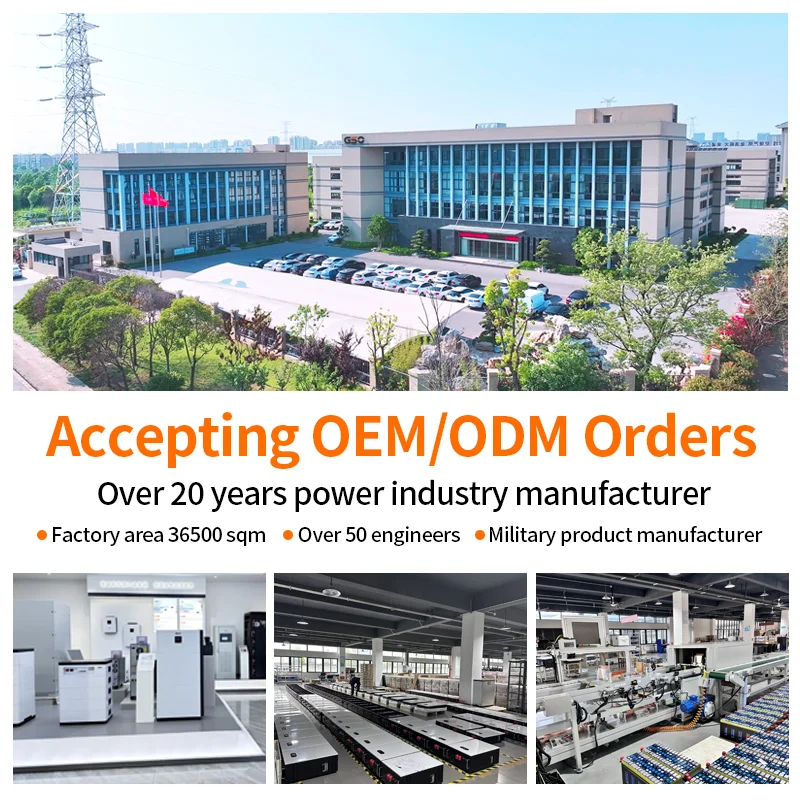
Stationary exterior installations contrast sharply with mobile packs by anchoring permanently to concrete pads near commercial facilities. Engineers design these robust cabinets to withstand harsh weather elements while housing high-capacity lithium iron phosphate modules safely. GSOpower builds modular enclosure systems that scale effectively from small residential backups to massive industrial microgrids.
Rack-mounted configurations represent another vital category designed specifically for outdoor equipment shelters and remote telecommunications towers. These units slide easily into standardized exterior racks, optimizing physical footprint while simplifying cabling logistics. Technicians appreciate how modular rack layouts streamline maintenance and capacity expansion over time.
Containerized energy storage systems occupy the largest scale within outdoor battery taxonomies, serving utility-scale solar farms and heavy manufacturing plants. These large-scale steel enclosures integrate advanced HVAC climate control, automated fire suppression, and high-voltage power conversion electronics. Selecting the appropriate category depends entirely on power demand scales and site longevity.
Internal Operating Mechanics and Power Conversion Workflows
Comprehending how these robust systems function requires tracing raw electrical currents from photovoltaic panels to storage modules. Rooftop or ground-mounted solar arrays generate variable direct current electricity that flows directly into multi-port charge controllers. Precision tracking hardware stabilizes voltage fluctuations continuously before routing surplus electrical energy safely into the internal battery core.
Operating an outdoor solar battery involves intricate coordination between bidirectional inverters, charge controllers, and battery management software. Advanced semiconductor switches operate at ultra-high frequencies to convert stored direct current into stable alternating current waveforms. This precise inversion process ensures seamless power delivery to connected electrical loads without voltage sags or harmonic distortion.
Thermal management systems regulate internal temperatures actively during high-load charging and discharging cycles to prevent premature component wear. Intelligent cooling channels dissipate heat away from sensitive insulated-gate bipolar transistors efficiently. GSOpower incorporates advanced thermal shielding into every conversion unit to maintain optimal operating conditions across extreme seasonal weather shifts.
Battery management systems monitor individual cell voltages, internal resistance, and core temperatures simultaneously at microsecond intervals. Advanced telemetry data prevents overcharging and thermal runaway risks across extended operational lifespans under heavy industrial workloads. Such rigorous internal telemetry guarantees safe, automated energy routing during every charging and discharging window.
Internal power distribution buses utilize high-current copper bars designed to withstand intense electrical surges without sustaining significant physical damage. Automated contactors isolate faulty modules within microseconds whenever anomalous electrical behavior is detected by master system controllers. This multi-layer hardware protection safeguards both personnel and connected facility assets effectively.
Core Operational Benefits for Remote and Residential Deployments
Deploying robust exterior energy storage unlocks substantial financial savings and absolute energy resilience for property owners worldwide. Homeowners and facility operators lower monthly utility bills by storing cheap solar generation for high-tariff evening consumption. Autonomous operation ensures continuous power availability even when public utility distribution grids experience unexpected weather-related blackouts.
Modern industrial applications benefit immensely from deploying a reliable outdoor solar battery across unattended remote project sites. These installations reduce the need for noisy, fuel-guzzling diesel generators that demand constant mechanical maintenance and expensive fuel delivery. Clean electrochemical storage operates without direct fuel combustion emissions during use while delivering multi-year operational reliability.
Users requiring temporary mobility rather than permanent infrastructure can deploy a Portable Solar Power Station for flexible field operations. These compact devices offer rapid deployment capabilities during emergency response missions and outdoor recreational activities. GSOpower delivers engineered hardware excellence across both stationary and mobile energy storage categories worldwide.
Field operations in remote regions demand equipment that requires minimal manual oversight and resists environmental degradation effectively. Weatherproof enclosures protect sensitive internal electronics from wind-driven rain, sandstorms, and extreme ultraviolet radiation exposure. Such high durability minimizes unexpected repair costs over multi-year operational lifespans.
Long-term economic amortization stems from exceptional cycle longevity and minimal ongoing maintenance requirements across all deployment scales. Grade-A prismatic lithium iron phosphate cells endure thousands of charge cycles without significant capacity degradation. Investing in certified exterior energy infrastructure secures sustainable power independence and predictable expenditure patterns for decades.
Expanding total energy storage capacity becomes straightforward when utilizing modular cabinets equipped with automated direct current contactors. Facility managers can scale up capacity incrementally as operational demands grow without modifying existing photovoltaic generation arrays. Strategic hardware design ensures that renewable investments deliver maximum safety, reliability, and financial return.
Environmental resilience remains a critical factor for hardware deployed in regions prone to freezing winters or scorching summer heatwaves. Robust steel construction combined with anti-corrosion powder coatings ensures structural integrity remains uncompromised throughout harsh climatic exposure. Engineering teams subject every exterior enclosure to rigorous environmental stress testing before factory shipment.
Comprehensive system oversight relies on continuous data logging, remote firmware updates, and centralized management dashboards accessible daily. Proactive maintenance frameworks safeguard asset value while maximizing renewable energy utilization rates year after year across industrial sites. Careful architectural planning ensures that distributed renewable investments deliver sustained economic value.
