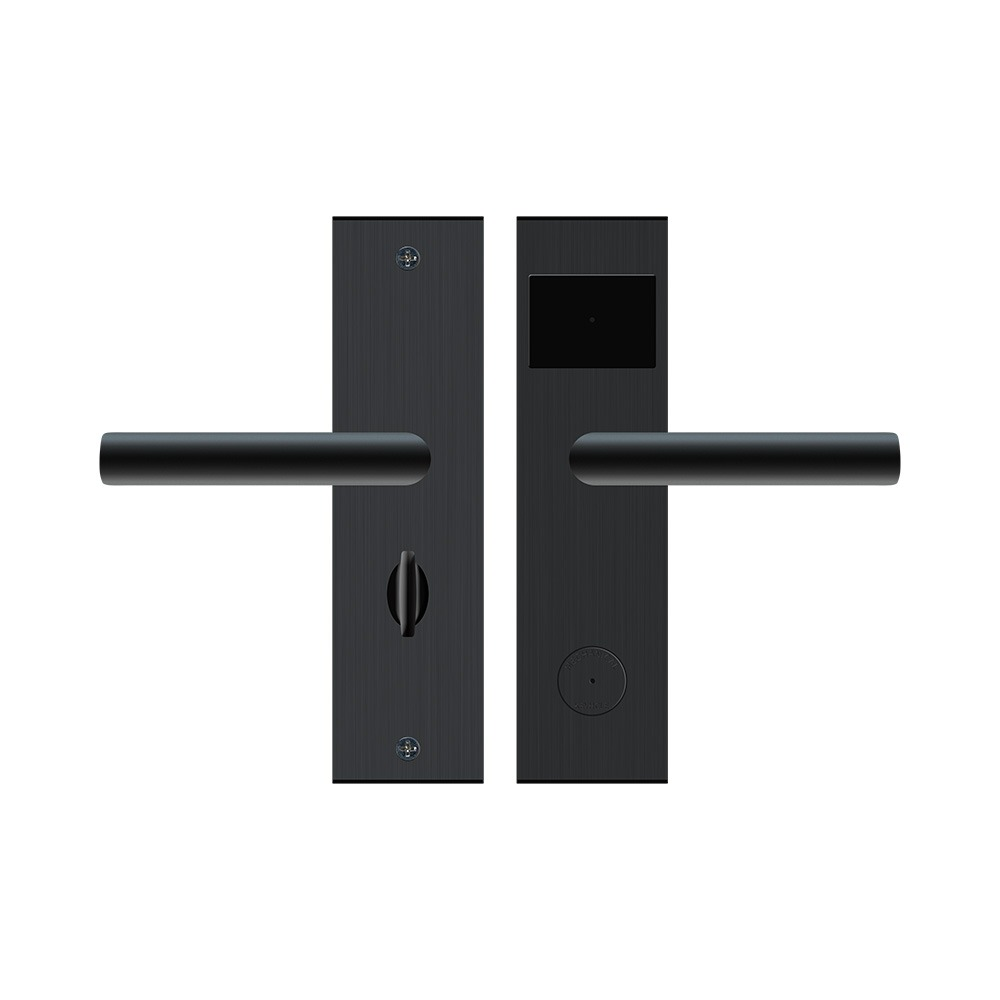
In commercial hospitality settings, the durability of access control hardware is a significant consideration for asset management and operational planning. The functional lifespan of a digital lock is not defined by a single universal timeframe but by a series of interdependent factors. Trudian examines these variables through the lens of their engineering and field data concerning electronic hotel locks, providing a framework for anticipating serviceable life based on component quality, environmental stress, and maintenance protocols.
Component Integrity and Mechanical Cycle Ratings
The inherent longevity of any hotel electronic lock system begins with the durability of its physical components. Internal mechanisms, including motors, latches, and bolts, are rated for a specific number of operational cycles—each cycle representing a lock and unlock procedure. Higher-grade locks utilize metals and alloys designed to withstand repetitive use without failure. Trudian’s development process for electronic hotel locks prioritizes these mechanical specifications, selecting components that meet rigorous cycle-testing standards. The solidity of these core moving parts establishes the fundamental ceiling for the product’s physical lifespan before requiring refurbishment or replacement.
Environmental Exposure and Its Impact on Hardware
The hardware is constantly subject to the influence of the environment that has been deployed. Electronic locks used in hotels are subjected to a variety of environmental factors, including airborne pollutants, cleaning chemicals, and fluctuations in temperature and humidity. This is the case at external doors, where the weather can be unpredictable. When exposed to severe or corrosive conditions, seals, coatings, and internal electronics may experience premature degradation which can lead to premature failure. This issue is addressed by Trudian by incorporating protective measures into their hotel electronic locks. These methods include comprehensive weatherproofing, coatings that are resistant to corrosion, and circuitry that is resistant to condensation. Environmental wear is directly mitigated by the degree of protection that is built into the design, which in turn extends the useful period before environmental stress causes performance concerns or esthetic deterioration.
The Role of Proactive Maintenance and Software Support
Beyond physical construction, operational lifespan is closely tied to systematic care and technological updates. A structured preventive maintenance schedule, including routine inspections, battery replacements, and cleaning of keypad and card reader elements, prevents minor issues from escalating. Furthermore, as digital systems, their longevity now also depends on software viability. Trudian supports their electronic hotel locks with ongoing firmware updates that address security patches and maintain compatibility with modern management systems. This software support prevents the locks from becoming digitally obsolete, ensuring they remain secure and fully integrated within the property’s access ecosystem for their entire physical service life.
It takes a multi-factor analysis to determine how long a digital locking system is likely to last. Its operational environment, the quality of its initial manufacturing, and the consistency of its technical maintenance all contribute to its final form. The goal of Trudian‘s strategy for developing and maintaining hotel electronic locks is to increase longevity in all of these areas. Hospitality operators can make educated predictions by choosing systems with high-cycle components, suitable environmental safeguards, and a guarantee of software and maintenance support. This all-encompassing view helps with more precise capital refresh budgeting and adds to long-term, dependable guest room security.
