Category:

Innovation

The transformation of the automotive industry is no longer a distant prospect; it is a present-day reality rapidly redefining commercial property management. For shopping malls, retail parks, and large commercial centers, the shift to electric vehicles (EVs) presents both a challenge and a monumental opportunity. As the charging infrastructure market matures, property owners must move beyond basic Level 2 (AC) solutions and invest in high-capacity, reliable direct current (DC) fast chargers to meet the growing demands of modern consumers.

Integrating premium EV charging is now a crucial strategy for attracting and retaining high-value patrons. This post details why robust, floor-mounted DC charging stations are not just an amenity, but a necessary piece of the commercial infrastructure required to future-proof any retail investment.

The New Retail Anchor: Attracting High-Value Patrons

In a competitive retail landscape, property managers are constantly seeking innovative ways to maximize foot traffic and increase customer dwell time—the period customers spend on-site, directly correlating to spending. The modern EV driver, conscious of their battery status, seeks convenience and speed. Offering high-speed charging transforms the charging process from a necessary chore into a planned activity.

By providing powerful DC floor mounted EV charger stations, a retail center instantly becomes a destination for EV owners who prioritize rapid replenishment. These customers are typically affluent, plan their trips around charging opportunities, and have a guaranteed minimum dwell time (the time required for a substantial charge). This translates directly into higher spending within the retail center’s stores, restaurants, and entertainment venues. Charging infrastructure, therefore, ceases to be a utility cost and becomes a powerful revenue-generating marketing tool. Furthermore, adopting this technology early signals environmental responsibility and a commitment to modern service standards, bolstering the brand image of the retail center itself.

The Speed Advantage of a DC floor standing charging station

The critical difference between AC and DC charging stations lies in the conversion of electrical power. AC charging requires the vehicle’s onboard converter to change AC power from the grid into DC power for the battery—a slow, inefficient process that can take four to eight hours for a full charge. This timeframe is impractical for most shopping excursions.

In stark contrast, a DC floor standing charging station performs this conversion within the charger unit itself, delivering direct current straight to the vehicle’s battery. This means the charger can bypass the slower onboard equipment and deliver power at significantly higher rates, which greatly reduces charging time compared to AC charging.

This speed advantage is paramount in a retail setting. An hour is the perfect duration for a meal, a coffee break, or a quick shopping run—exactly the kind of valuable dwell time retailers covet. Installing high-output DC units is the most effective way to ensure fast turnover of parking spots while providing a premium service that justifies the initial investment.

Durability Meets Design: The Floor-Mounted Form Factor

The physical location and design of charging equipment in a public commercial environment are critical for operational longevity and user experience. DC floor mounted EV charger units offer significant advantages over wall-mounted or smaller pedestal units:

1.Robustness and Vandal Resistance: Floor-mounted units are inherently more robust. Built with firm, weather-resistant enclosures, they are designed to withstand the rigors of high-traffic commercial parking lots, including accidental bumps, extreme weather, and continuous, high-frequency public usage.

2.High-Power Capacity: Due to their size, floor-mounted stations can house the substantial internal components—the power modules, cooling systems, and converters—required to deliver power at high levels. This capacity is impossible to achieve reliably in smaller enclosures.

3.Accessibility and Visibility: The height and structure of a floor-mounted unit typically ensure better compliance with accessibility standards and superior visibility in a busy parking environment, making them easier for drivers to locate and operate safely.

Technical Specifications for High-Demand Environments

To ensure operational excellence and scalability, property managers must select infrastructure engineered for commercial scale. The AMPPAL range of high-performance charging solutions exemplifies the necessary technical rigor for retail deployments. These DC units are designed to cater to fluctuating demand, offering significant power flexibility to handle peak shopping periods.

The AMPPAL floor-mounted DC stations boast a versatile power range, starting from solid commercial-grade capacity and offering substantial scalability. Integrated DC solutions are designed to accommodate expanding needs, with systems that can be combined into flexible charging stacks to deliver significantly higher power outputs when configured as a team. This inherent scalability is essential for future-proofing infrastructure, enabling it to evolve in step with the rapidly growing adoption of high-capacity electric vehicles.

Key features that optimize commercial deployment include:

  • Networking Flexibility: Reliable connectivity is the backbone of remote management. AMPPAL stations support both Ethernet and 4G communication, guaranteeing stable uptime for remote monitoring, software updates, and secure data transmission, even in parking areas where wired infrastructure might be challenging.
  • Universal Connector Support: To maximize utility, the chargers are configured with multiple international-standard connectors, including CCS1, CCS2, CHAdeMO, and GB/T. This multi-gun capability is essential in a retail setting, ensuring that the infrastructure can simultaneously charge different vehicles and maximize throughput from a single unit.
  • Intelligent Backend Management (OCPP 1.6J): For commercial operators, seamless backend integration is non-negotiable. AMPPAL chargers utilize the industry-standard OCPP 1.6J protocol, which enables real-time monitoring of charging status, precise billing management, diagnostics, and essential load management. This intelligent control is crucial for managing electrical costs and ensuring power is dynamically allocated where it is needed most within the retail center’s electrical system. The proprietary “power pool” architecture utilized in their Flexible Charging Stacks allows for dynamic power allocation across multiple charging points, ensuring every active vehicle receives the fastest possible charge without exceeding site power limits.

The Future is Fast: Maximizing Retail ROI

In summary, the transition to electric mobility offers retail centers a unique chance to redefine their value proposition. Standard Level 2 AC chargers satisfy residential needs, but only high-capacity, commercial-grade DC charging stations—specifically the robust DC floor mounted EV charger units—can deliver the speed and reliability necessary for a bustling retail environment.

By choosing scalable, intelligently networked solutions like the AMPPAL systems, property managers are not just installing equipment; they are strategically investing in customer loyalty, increased dwell time, and a sophisticated, future-ready commercial amenity that yields measurable return on investment. This shift ensures the retail center remains competitive, attractive, and fully prepared for the next era of transportation.

0 comment
0 FacebookTwitterPinterestEmail

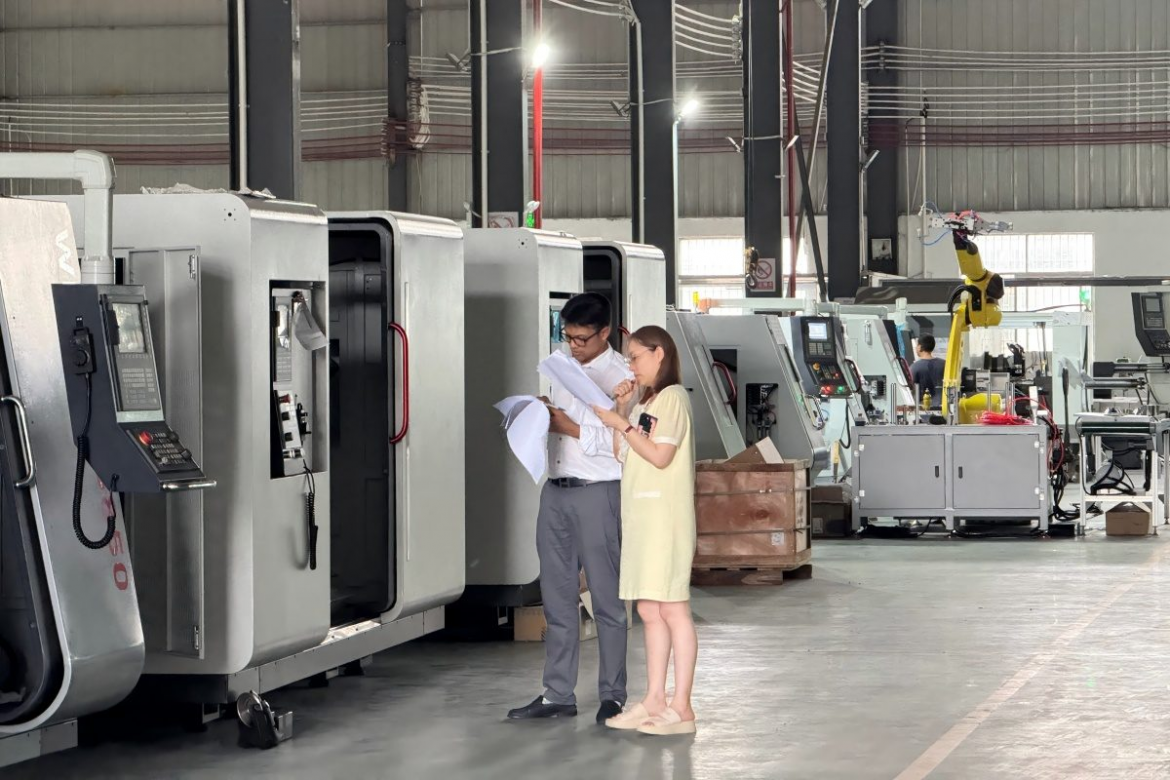
Regular maintenance is essential for keeping CNC equipment reliable in industrial environments. For manufacturers and distributors evaluating long-term CNC machine service, understanding a clear maintenance process helps reduce downtime and protect capital investment. When procurement teams search among CNC companies near me, they often focus on whether suppliers can support structured maintenance practices. This is an area where Leichman is frequently referenced by partners, as they emphasize service-oriented workflows rather than short-term transactions.

Routine Inspection and Preventive Planning

The first step of CNC machinery maintenance is scheduled inspection. This includes checking lubrication systems, spindle conditions, guideway cleanliness, and hydraulic stability. Preventive planning is especially relevant for buyers working with CNC companies near me, since response time affects production continuity. They typically recommend maintenance calendars aligned with actual machining loads rather than generic intervals. As part of their CNC machine service approach, they also provide technical consultation on spindle or turntable selection, helping customers reduce future wear through correct configuration.

Calibration, Testing, and Operational Validation

After inspection, calibration and performance testing ensure machining accuracy remains within tolerance. This stage often involves axis alignment checks, control parameter verification, and thermal stability observation. Many CNC companies near me highlight simulation before adjustments, and they apply similar logic during maintenance. Their CNC machine service process may include simulation and ROI forecasting to justify component replacement timing. Sample testing is also used, allowing operators to validate compatibility with real workpieces before resuming full production schedules.

Support, Customization, and Lifecycle Coordination

The final maintenance step connects service support with long-term equipment planning. This includes customization feasibility analysis, spare-part coordination, and follow-up monitoring. In practice, Leichman structures these activities under collaborative solutions before customers commit to upgrades. Their CNC machine service model integrates engineering feedback, proactive aftersales support, and flexible customization options. By coordinating maintenance data with future tooling or process changes, they help procurement teams and agents maintain stable operations without increasing inventory pressure.

Conclusion

CNC machinery maintenance follows a logical sequence: inspection, calibration, and coordinated support. When CNC companies near me align these steps with responsive service and engineering consultation, maintenance becomes part of a sustainable production strategy rather than a reactive task.

0 comment
0 FacebookTwitterPinterestEmail

At its core, a mechanical gripper is a robot’s hand, enabling it to physically interact with the world. These devices are fundamental for tasks from assembly and packaging to surgery and home assistance. The true sophistication, however, emerges when these grippers are equipped with advanced tactile sensing capabilities, transforming simple grasping into intelligent manipulation. Companies like Daimon are at the forefront of this evolution, developing systems that allow robots to perceive touch with remarkable fidelity, bridging the gap between rigid automation and adaptive, sensitive handling for both industrial and service applications.

Daimon Grippers with Tactile Sensing

Integrating sophisticated tactile sensing into a mechanical gripper fundamentally changes its role. Instead of merely closing on a pre-programmed point, the gripper can feel its way. Sensors with high spatial resolution, some containing over 40,000 sensing units per square centimeter, map the contact shape and pressure distribution in real time. This allows the robot to confirm a secure grip, detect slip before an object falls, and adjust its hold on fragile items like eggs or electronic components. This sensory feedback is the first critical step in moving from blind automation to responsive interaction, enabling robots to handle unpredictable environments and variable objects with newfound confidence.

Precision Handling through Tactile Feedback

The data from tactile sensors directly enables precision handling. By capturing multiple sensing modalities—such as normal force, shear force, and vibration—the system provides a rich stream of information. A robot gripper can then perform delicate tasks like inserting a peg into a hole with sub-millimeter alignment, polishing a curved surface with consistent pressure, or assembling intricate mechanisms. Daimon’s focus on this technology highlights how real-time force measurement and control are not just features but necessities for next-generation automation. Their development in this area provides the building blocks for systems that can work alongside humans or perform complex, dexterous tasks previously deemed too difficult for machines, directly answering the need for more versatile and sensitive robotic solutions.

Mechanical Grippers for Object Detection

Beyond just gripping, a mechanized hand with tactile intelligence becomes a powerful tool for object detection and inspection. As the gripper makes contact, the sensor array instantly characterizes the object’s texture, stiffness, and even structural integrity. This allows the robot to identify a part by its material properties, sort items by compliance, or check for manufacturing defects like cracks or voids. In logistics, a robot can verify it has picked the correct item from a bin based on its feel. This capability transforms the mechanical gripper from an end-effector into a perceptive instrument, making robotic systems more autonomous and reducing the reliance on separate, often vision-only, inspection stations. It is a clear example of how tactile sensing can boost smart manufacturing by adding a critical layer of process verification and quality control.

Conclusion

A mechanical gripper is the essential interface between a robot’s intelligence and the physical task it must perform. Its purpose evolves from simple pick-and-place to sophisticated, perception-driven manipulation when enhanced with tactile sensing. This integration enables adaptability, precision, and quality assurance across countless sectors. For organizations seeking to implement such advanced robotic capabilities, partnering with innovators who provide both the technology and the expertise is crucial. Exploring the solutions from Daimon can offer a pathway to integrating this transformative tactile iintelligence into both industrial and service robotic applications.

0 comment
0 FacebookTwitterPinterestEmail

As solar energy continues to gain popularity, many homeowners are considering how to optimize their energy systems. One key component of any solar power system is the inverter. Hybrid solar power inverters are becoming a go-to choice for those looking to maximize energy efficiency and adaptability. These inverters combine multiple sources of energy, offering a versatile and efficient solution for residential and commercial setups.

What Makes Hybrid Inverters Unique?

A hybrid inverter allows for both solar energy and other power sources to work seamlessly together. Unlike traditional solar inverters, a hybrid inverter can integrate with grid electricity and backup power systems such as diesel generators. This versatility is especially beneficial during times when solar energy generation is insufficient, ensuring a stable and reliable power supply at all times.

Enhanced Efficiency with MPPT Technology

The HWOO hybrid inverter takes full advantage of MPPT (Maximum Power Point Tracking) technology, ensuring that your system operates with 99.9% MPPT tracking efficiency. This means the inverter constantly adjusts to capture the maximum energy available from your solar panels, improving overall energy conversion. When connected with the CIS-3.6/5/6K-H model, which supports up to 9600W solar panels, homeowners can see a noticeable increase in energy production.

Flexibility and Energy Reliability

The HWOO hybrid inverter offers dual high-efficiency inputs, allowing for solar and AC grid or generator inputs to work in tandem. When the solar energy is not enough, the grid or a diesel generator can supplement the power, keeping the system running smoothly. With an energy conversion efficiency of up to 96.8%, HWOO hybrid solar power inverters minimize loss and maximize energy output.

Maximizing Solar Power Efficiency

Overall, hybrid solar power inverters such as the HWOO CIS-3.6/5/6K-H provide a smart solution for those who want a reliable, energy-efficient system. With dual high-efficiency inputs and industry-leading MPPT technology, these systems offer greater flexibility and reliability, ensuring homes or businesses never run out of power.

0 comment
0 FacebookTwitterPinterestEmail

In the world of packaging and material testing, ensuring the integrity and durability of seals is crucial. Labthink’s leak tester, particularly the C660M Leak and Seal Strength Tester, is designed to deliver accurate and reliable results. With its wide application across various industries, this tester provides invaluable data to help manufacturers maintain packaging quality.

How the C660M Leak and Seal Strength Tester Ensures Precise Measurements

The C660M Leak and Seal Strength Tester is equipped with advanced technology to measure seal strength, burst pressure, and compression resistance. By accurately assessing these parameters, it helps manufacturers identify weak spots in their packaging, ensuring that products remain sealed under various conditions. This is especially critical for products requiring long shelf life or those exposed to varying environmental factors during transportation and storage.

Key Features of the Leak and Seal Strength Tester for Different Packaging Materials

Labthink’s leak tester is versatile, capable of testing a wide range of materials including flexible packages, aseptic packaging, plastic tamper-evident closures, and even flexible tubes. The C660M model features adjustable settings that allow for the analysis of different sealing properties, making it suitable for testing a variety of materials, each with unique sealing characteristics. This flexibility enhances the tester’s utility in both small-scale and industrial-scale testing.

Why Labthink’s Leak Tester Is Essential for Optimizing Packaging Durability

A reliable leak and seal strength tester like the C660M is essential for optimizing the overall durability of packaging. By identifying weaknesses in seals, manufacturers can improve their designs, reduce product spoilage, and enhance consumer satisfaction. Moreover, having consistent, accurate testing procedures ensures that products meet regulatory standards and quality benchmarks, ultimately safeguarding both brand reputation and consumer trust.

Conclusion

In conclusion, Labthink’s C660M Leak and Seal Strength Tester plays an indispensable role in ensuring the quality and reliability of packaging materials. Its ability to accurately measure various seal and strength properties makes it an invaluable tool for manufacturers looking to optimize packaging performance across multiple industries.

0 comment
0 FacebookTwitterPinterestEmail

HKT LORA is at the forefront of innovative technology solutions, specializing in wireless communication systems. Among its pioneering products is the LoRaWAN Infrared People Counter, a device designed to enhance the monitoring of foot traffic in various environments. This technology is especially beneficial for businesses and organizations seeking to understand visitor patterns without compromising data privacy.

Key Features of the LoRaWAN People Counter

The LoRaWAN People Counter stands out due to its easy installation process. Users can set it up in minutes without the need for extensive technical expertise. Additionally, the device is battery-powered, ensuring flexibility in placement and reducing the need for constant maintenance. As a bi-directional counter, it accurately tracks people entering and exiting a location, providing valuable insights into foot traffic dynamics.

Another significant advantage of the LoRaWAN Infrared People Counter is its compliance with GDPR regulations. By using infrared technology, the device counts individuals without capturing personal data, thereby mitigating privacy concerns. This makes it an ideal solution for businesses looking to enhance their analytics while adhering to strict data protection laws.

Applications and Benefits of the LoRaWAN People Counter

The versatility of the LoRaWAN People Counter allows it to be utilized in various settings, including retail stores, museums, and event venues. By analyzing foot traffic data, businesses can optimize staffing, improve customer experiences, and make informed marketing decisions. The actionable insights gained from the LoRaWAN Infrared People Counter empower organizations to adapt to visitor behaviors effectively.

In conclusion, the LoRaWAN Infrared People Counter by HKT LORA provides a reliable, privacy-conscious solution for counting foot traffic. With its user-friendly installation, battery operation, and compliance with GDPR, this device is a necessary tool for any organization aiming to enhance operational efficiency and customer engagement. Embracing the LoRaWAN People Counter can lead to significant improvements in understanding visitor dynamics and making informed strategic decisions.

0 comment
0 FacebookTwitterPinterestEmail

From design to performance, Lampro LED continues to bring practical solutions to the indoor display market. Their LMini Series is a brand-new COB mini product built to deliver a comfortable viewing experience and efficient energy-saving benefits. By combining functionality with user-friendly features, Lampro LED has designed LED screen panels that meet modern expectations for both quality and sustainability.

Clear Visuals and Comfortable Viewing

The LMini Series offers a mini LED panel that delivers crisp images while reducing visual strain. They developed this product to provide audiences with a comfortable viewing experience whether installed in retail, business, or educational environments. Lampro LED ensures that the brightness and clarity of their LED screen panels stay consistent, creating a pleasant visual effect across various settings. The mini LED panel becomes a reliable solution for spaces that require long-term display usage without compromising viewer comfort.

Energy Saving by Design

Energy efficiency has become a critical part of display technology, and Lampro LED integrates this principle into the LMini Series. Their mini LED panel design reduces material use during production, cuts down unnecessary processes, and lowers equipment energy consumption. By focusing on these aspects, Lampro LED supports sustainable development while still delivering high-performance LED screen panels. They have created a balance between energy savings and advanced display capabilities, making the LMini Series a thoughtful option for eco-conscious applications.

User-Friendly Integration

The LMini Series comes with a three-in-one high-integration design that combines the power supply, HUB, and system card. This approach from Lampro LED simplifies on-site operation by reducing the need for multiple accessory replacements. Their integrated design improves efficiency from initial design through transportation and installation. By using fewer parts and providing more streamlined maintenance, their LED screen panels offer a user-friendly solution for professionals who value convenience and reliability.

Conclusion

At last, a fresh take on indoor display technology is brought to you by Lampro LED‘s LMini Series. Convenience, reduced energy use, and simple installation are all features of their compact LED panel. Lampro LED shows how innovation and pragmatism can coexist with their efficient, long-lasting, and easy-to-manage LED screen panels. 

0 comment
0 FacebookTwitterPinterestEmail

Gaowei Group has built a strong reputation for producing high-quality ventilation products that serve clients across multiple regions. They are recognized as capable plastic fan manufacturers who consistently provide solutions meeting international standards. Companies seeking reliable industrial indoor ceiling fans often rely on them for their extensive expertise and commitment to product consistency. Their operations focus on delivering durable and efficient fans suitable for both industrial and commercial applications worldwide.

Precision and Versatility in Fan Production

As experienced plastic fan manufacturers, Gaowei Group emphasizes precision in design and production. Their manufacturing processes integrate modern machinery with quality control measures to ensure each fan meets stringent requirements. They provide solutions that suit different market needs, including industrial-grade ceiling fans for Europe and America, as well as smaller-scale fans for residential or commercial use in Southeast Asia and the Middle East. By combining technical expertise with practical design, they ensure that their industrial indoor ceiling fans are not only effective but also energy-efficient and reliable for continuous operation.

Tailored Solutions for Global Markets

They have developed a diverse product range that addresses varying client requirements. From heavy-duty industrial fans to lightweight plastic fans for commercial spaces, Gaowei Group leverages their experience as plastic fan manufacturers to offer tailored solutions. Their industrial indoor ceiling fans are designed to provide optimal airflow and maintain consistent performance under different environmental conditions. By aligning production capabilities with market-specific demands, they support clients in achieving operational efficiency and meeting regional regulatory standards.

Conclusion

Overall, Gaowei Group continues to uphold their reputation as a dependable source for industrial indoor ceiling fans and innovative fan solutions. Their approach as plastic fan manufacturers emphasizes quality, consistency, and responsiveness to client needs. By maintaining rigorous production standards and focusing on international market requirements, they provide products that are reliable, durable, and adaptable. Clients who work with them benefit from a partner capable of delivering practical, high-performing fan solutions suitable for diverse industrial and commercial applications.

0 comment
0 FacebookTwitterPinterestEmail