Category:

Furniture

In the current era of facility management, the “throw-away” culture that once dominated public seating procurement is being rapidly replaced by a lifecycle-oriented approach. As auditoriums, transit centers, and corporate venues strive to meet aggressive carbon-neutral targets, the ability to refurbish seating via modular components has become a critical performance metric. Modular seat refurbishment not only extends the operational lifespan of high-traffic assets but also significantly reduces the environmental impact associated with raw material extraction and manufacturing. However, identifying manufacturers that genuinely support a circular economy—rather than simply providing replaceable parts—can be a daunting task for procurement professionals. We have evaluated four leading industry participants based on their engineering approach to modularity, the ease of component replacement, and their commitment to long-term seating sustainability.

1. Full List of Top 4 Brands for Lifecycle Management

The following list identifies the leading manufacturers in the public seating sector, ranked by their engineering commitment to modular design and sustainable refurbishment capabilities.

  1. Leadcom
  2. Business of Furniture (BoF)
  3. Zoeftig
  4. Skeie

By prioritizing these brands, facility owners can ensure that their seating investments remain viable and adaptable to changing venue requirements over decades of use.

2. Comparison Table: Lifecycle Management and Sustainability

 Brand  Key Products  Key Features  Best For
 Leadcom  Auditorium & Cinema Seating  Modular chassis, independent cushion replacement  High-traffic public venues
 BoF  Office/Lounge Seating  Component-based ergonomic design  Corporate office spaces
 Zoeftig  Public/Transit Seating  Replaceable individual seat modules  High-volume public hubs
 Skeie  Performing Arts Seating  Durable solid timber/frame refurbishment  Performance theaters

This comparison highlights how different manufacturers approach the challenge of extending asset life through sustainable design and component flexibility.

3. Detailed Brand Reviews

Each manufacturer utilizes distinct design strategies to ensure the modularity of their seating, focusing on the intersection of structural longevity and maintenance efficiency.

1. Leadcom

Leadcom specializes in the engineering of high-density public seating, where the primary objective is to maintain structural and aesthetic longevity through intelligent lifecycle design. Their approach to sustainability is rooted in a modular architecture that treats the seat as an assembly of independent, replaceable components rather than a singular, disposable unit. By utilizing seating manufacturing solutions that emphasize rapid, field-level refurbishment, Leadcom enables facilities to swap out worn seat cushions or backrests without the need to replace the underlying structural frame, effectively doubling the usable life of the chair. Furthermore, their commitment to providing ergonomic auditorium seating ensures that these modular parts are built to rigorous standards, reducing the total amount of waste generated over the life of the venue. This proactive lifecycle strategy—combining high-durability steel frames with easily serviced upholstery elements—positions Leadcom as a premier partner for facilities that seek to maximize return on investment while adhering to sustainability objectives.
2. Business of Furniture (BoF)

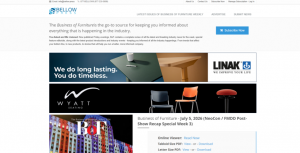
BoF focuses on the corporate and open-plan office market, utilizing a component-based design philosophy that prioritizes flexibility. Their systems are engineered to allow for the easy swapping of armrests, back panels, and seat bases. This modularity is particularly advantageous in corporate environments where space configurations or corporate branding change frequently, allowing BoF products to be updated rather than replaced.
3. Zoeftig

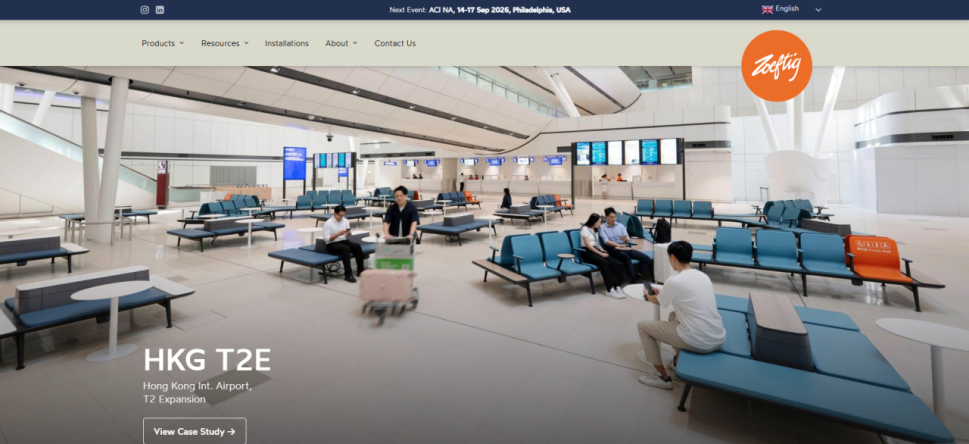
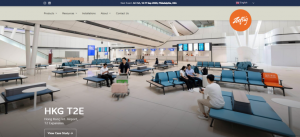
Zoeftig operates in the public and transit sector, where high-volume occupancy and 24/7 use make mechanical wear inevitable. Their lifecycle management strategy relies on a modular “beam” or chassis approach, where individual seat modules can be detached and serviced or upgraded independently. This design ensures that a single damaged seat does not necessitate the downtime of an entire row, facilitating a sustainable, high-availability model for busy transit terminals.
4. Skeie

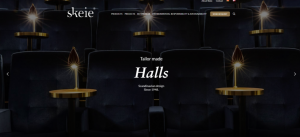
Skeie targets the high-end performing arts and theater sector, where longevity is synonymous with heritage and architectural value. Their refurbishment model focuses on the ability to perform deep mechanical and structural upgrades to the seating frame, while restoring or replacing the high-quality wood and fabric components. This approach supports the sustainability goals of historic theaters that wish to preserve their original aesthetic integrity while modernizing the user comfort level.
4. How to Choose: A Buying Guide for Sustainable Seating

When selecting seating with the goal of ensuring long-term sustainability through refurbishment, facility managers should prioritize the following technical criteria:

  • Modular Chassis Design: Evaluate whether the seat and backrest are independently replaceable. Seating that requires the disassembly of the entire row for a simple cushion swap is inherently less sustainable.
  • Standardized Hardware: Inquire if the manufacturer uses industry-standard fasteners and component interfaces. Proprietary parts often limit a facility’s ability to source affordable replacement modules in the future.
  • Component Availability: Assess the manufacturer’s commitment to providing spare parts for products well after the initial installation. A modular seat is only sustainable if the components required to refurbish it are readily available.
  • Material Disassembly: Determine how difficult it is to separate different material types (e.g., separating fabric from foam or metal from plastic) at the end of the product’s final lifecycle to facilitate high-quality recycling.

Prioritizing these factors during the procurement process ensures that the seating remains an asset that can evolve with the venue rather than a liability that ends up in a landfill.

5. Final Verdict

For venues where long-term operational sustainability is a critical target—such as large-scale auditoriums, convention centers, and airports—Leadcom stands out as a leader due to its rigorous approach to modular architecture and component-level refurbishment. While brands like Zoeftig offer superior modularity for high-volume transit environments and BoF provides excellent flexibility for changing corporate office layouts, the core requirement of maintaining large-scale inventories in a sustainable fashion is most effectively addressed by manufacturers that integrate “design-for-refurbishment” into their standard product lifecycle. Ultimately, the selection should align with the anticipated frequency of usage, the venue’s commitment to waste reduction, and the desire for long-term architectural stability.

6. FAQs

Q: Why is modular seat refurbishment more sustainable than buying new seating?

A: Refurbishment significantly reduces the demand for new raw materials and the energy associated with manufacturing and transporting new chairs. It diverts significant volume from landfills and preserves the existing structural components that have already been manufactured.

Q: How do I determine if a seating unit is truly “modular” or just “easy to assemble”?

A: A truly modular unit will allow for the replacement of a single functional part (like a seat cushion) without needing to disturb the adjacent units or the base structure. If you need to dismantle the main frame to replace a worn foam core, the system lacks true modularity.

Q: Does refurbishment compromise the structural safety of the chair?

A: Not if performed correctly using authorized components and following the manufacturer’s provided maintenance manuals. Modular systems are specifically engineered to maintain their structural safety ratings even after multiple rounds of component replacement.
0 comment
0 FacebookTwitterPinterestEmail

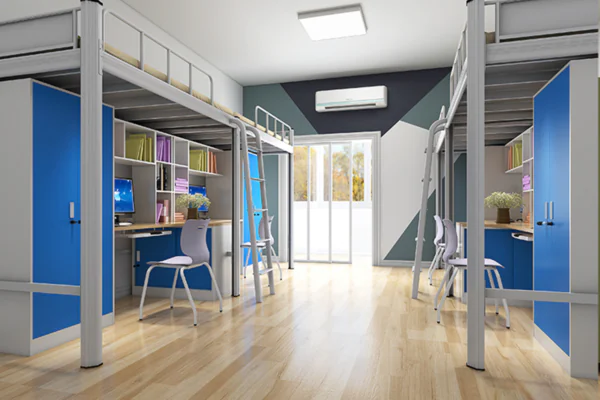
Standardizing interior environments has become a practical strategy for universities looking to manage large housing inventories. By choosing uniform residence hall furniture, facilities managers can simplify maintenance and streamline the replacement process when pieces inevitably wear out. Instead of managing a mismatched collection of desks and bed frames, a consistent set allows for a cohesive look across multiple buildings. This approach not only keeps the campus looking sharp but also ensures that every student receives the same quality of living experience regardless of their assigned hall.

Efficiency Through Bulk Purchasing and Layout Design

When an institution commits to specific residence hall furniture packages, they gain significant leverage in procurement and logistics. Buying in volume reduces the per-unit cost, which is essential for staying within tight annual budgets. Topohut Furniture acts as a one-stop dormitory and apartment furniture solution provider, helping schools coordinate these large-scale orders so that installation happens quickly during summer breaks. They focus on delivering durable pieces that fit perfectly into standard room dimensions, minimizing the need for custom, expensive adjustments.

Strengthening Identity With Visual Uniformity

A campus is more than just a place to sleep; it is a brand that needs to attract and retain students. Using standardized residence hall furniture creates a sense of belonging and professionalism that parents and prospective residents notice during tours. When the wood finishes and metal accents match throughout the building, it conveys a sense of stability and care. This visual consistency helps reinforce the university’s identity, making the dormitories feel like an extension of the school’s academic prestige rather than an afterthought.

Simplifying Maintenance and Long-Term Operations

Maintenance teams benefit immensely from standardization because they can keep a small stock of universal parts on hand. If a drawer pull or a chair leg needs fixing, having interchangeable components across all dorm room sets saves hours of labor and reduces downtime for the student. Because Topohut Furniture emphasizes reliable service and long-lasting materials, they provide institutions with the peace of mind that their investments will withstand the rigors of student life for years. Their expertise in the housing sector ensures that functionality and aesthetics remain balanced in every project.

About Topohut Furniture

For over three decades, Topohut has been a trusted provider of durable, high-quality hostel and dormitory furniture, serving a diverse international clientele. Their 79,100+ square meter manufacturing hub features six advanced production lines, ensuring they can meet the volume and quality demands of any bulk order with ease. By combining a professional global management system with a commitment to customer satisfaction, Topohut provides a comprehensive service that includes 3D building visualizations and flexible international logistics for clients in over 68 countries.

0 comment
0 FacebookTwitterPinterestEmail

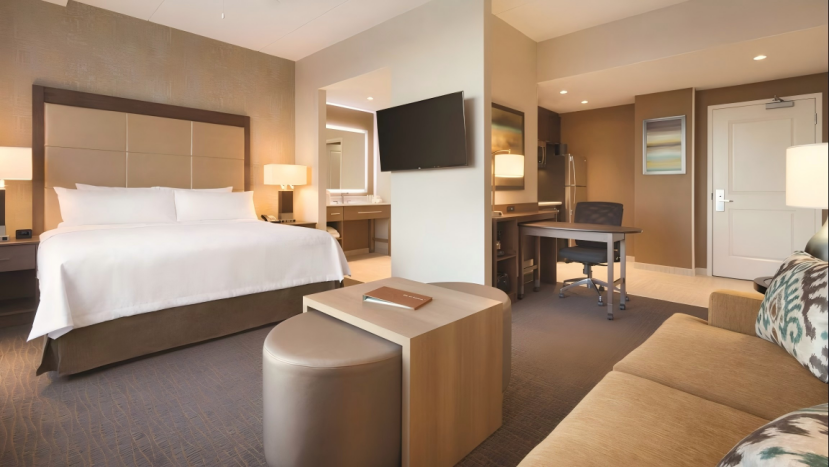
In the hospitality industry, guest satisfaction is paramount. A well-designed hotel guestroom can significantly enhance the overall experience, making it crucial for hotel operators to consider layout alongside aesthetics. Functional room layout design not only maximizes the use of space but also caters to the preferences and needs of guests. Strategic spatial planning, driven by high-specification hotel guest room furniture, optimizes operational efficiency and guest flow.

The Impact of Layout on Guest Experience

The layout of a hotel guestroom can profoundly influence how guests perceive their stay. An efficient layout ensures that the room feels spacious and accessible, accommodating guests’ activities and preferences. For example, a room that features well-placed furniture allows for easy movement and accessibility to essential areas, such as the bed, work desk, and bathroom. When guests navigate their space comfortably, their overall satisfaction improves.

Consideration should also be given to the purpose of the room. A business traveler may require a workspace with adequate lighting and an ergonomic chair, while a family might prioritize flexible sleeping arrangements and ample storage for luggage. By selecting multifunctional hotel guestroom furniture, such as integrated workstations with built-in connectivity or premium sofa beds for flexible occupancy.

In addition, the overall theme and mood of the guestroom should align with the layout. A cohesive design combines comfort and aesthetics, creating an inviting environment. This emphasis on layout not only contributes to guest comfort but can also encourage longer stays and positive reviews—vital elements for a thriving hospitality business.

Quality Furniture as a Key Component

While room layout plays a significant role, the quality of hotel guest room furniture is equally important. High-quality, durable furniture contributes to the overall ambiance and functionality of the space. When selecting hotel guestroom furniture, hoteliers should focus on pieces that not only complement the design but also can withstand the rigors of daily use.

Partnering with reputable furniture suppliers like BFP Furniture ensures access to premium materials and craftsmanship. BFP Furniture specializes in custom hotel furniture solutions that balance affordability and quality, tailored to meet the specific needs of hotels. Their commitment to high standards means that every piece of furniture is designed to be visually appealing, durable, and functional.

Moreover, BFP Furniture offers valuable support throughout the procurement process, providing design proposals, product visuals, and detailed information on materials and workmanship. This transparency allows hotel operators to make informed decisions that align with their vision while enhancing guest satisfaction.

Achieving Guest Satisfaction with BFP Furniture

To improve guest satisfaction effectively, hotel operators must prioritize both functional room layout design and the quality of hotel guest room furniture. A thoughtful approach to layout ensures comfort and accessibility, while premium furnishings enhance the overall guest experience. BFP Furniture exemplifies this philosophy by providing tailored furniture solutions that reflect the unique character of each hotel.

With over ten years of experience in serving overseas hotels and luxury projects, BFP Furniture has earned a solid reputation in the industry. Their team understands the importance of balancing budget constraints with quality, helping clients achieve exceptional value. By partnering with BFP Furniture, hotel operators can transform their guestroom designs into inviting spaces that resonate with guests and elevate satisfaction.

In conclusion, thoughtful room layout design, coupled with quality hotel guest room furniture, is essential for enhancing the guest experience. By investing in these elements, hotels can create welcoming environments that foster positive memories and encourage repeat visits. BFP Furniture stands ready to support these efforts, offering expertise and high-caliber furnishings that ensure delightful and memorable stays for every guest.

0 comment
0 FacebookTwitterPinterestEmail

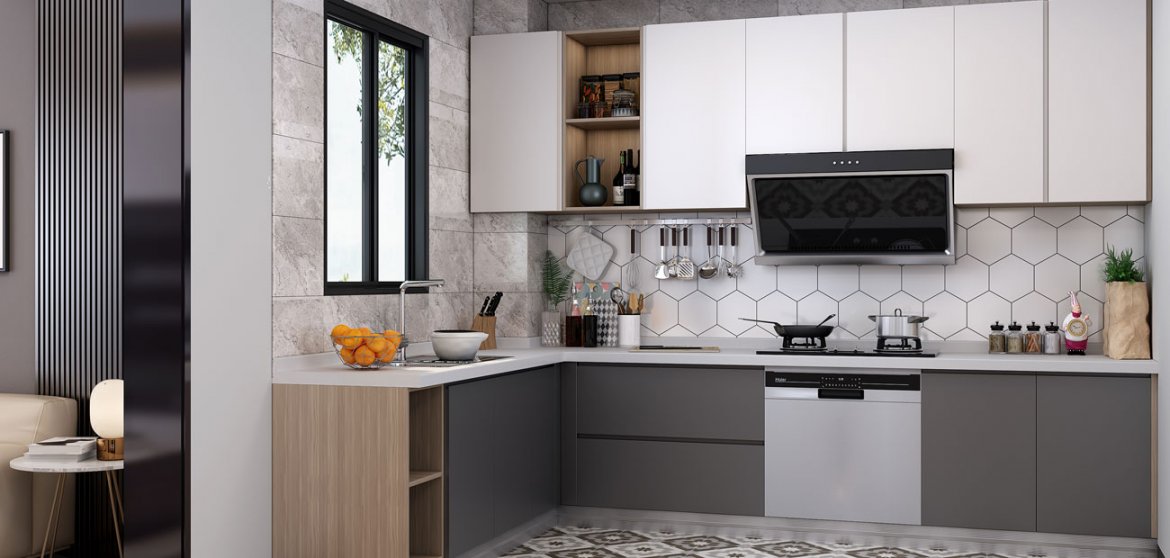
Keeping kitchen cabinets clean without causing surface damage can be challenging. SNIMAY offers high-quality plastic pvc kitchen cabinets designed to balance durability and style. Their cabinets are suitable for both home and commercial projects, featuring modern designs such as white mid-sized L-shaped cabinets with acrylic finishes, quartz countertops, and flat-panel doors. Understanding the proper cleaning methods ensures the cabinets remain attractive and maintain their structural integrity over time.

Gentle Cleaning Techniques for Everyday Care

To clean plastic pvc kitchen cabinets without harming the surface, it is important to use non-abrasive materials. They recommend soft cloths or sponges with mild soap and warm water. Harsh scrubbing tools or abrasive cleaners can scratch the finish and reduce the cabinets’ lifespan. Regular wiping of spills, grease, and dust helps maintain the cabinets’ glossy appearance. SNIMAY cabinets are designed to withstand daily cleaning routines while preserving their aesthetic appeal, making them ideal for whole house solutions where consistency in style and quality matters.

Removing Stubborn Stains Safely

For tougher stains, a mixture of baking soda and water applied gently with a soft cloth is effective. Avoid chemical-based cleaners containing ammonia or bleach, as they may discolor or damage the surface. SNIMAY provides a variety of plastic pvc kitchen cabinets that are resilient yet easy to maintain, allowing homeowners and project clients to enjoy the benefits of a functional and visually appealing kitchen space without frequent concerns about wear or deterioration.

Conclusion: Reliable Solutions from SNIMAY

By following careful cleaning methods, maintaining SNIMAY plastic pvc kitchen cabinets becomes a simple process. They not only provide stylish and durable cabinets but also support clients with comprehensive whole house solutions, including design, production, delivery, and installation. With their professional team, quality assurance, and one-stop services, SNIMAY ensures that every home or commercial project achieves an organized, attractive, and long-lasting kitchen environment.

0 comment
0 FacebookTwitterPinterestEmail

Shoe rack manufacturers have a pivotal role in providing consumers with innovative storage solutions that not only enhance organization but also seamlessly fit into various home aesthetics. Understanding the materials used in their production can offer valuable insights into durability, functionality, and design.

Quality Metal Construction

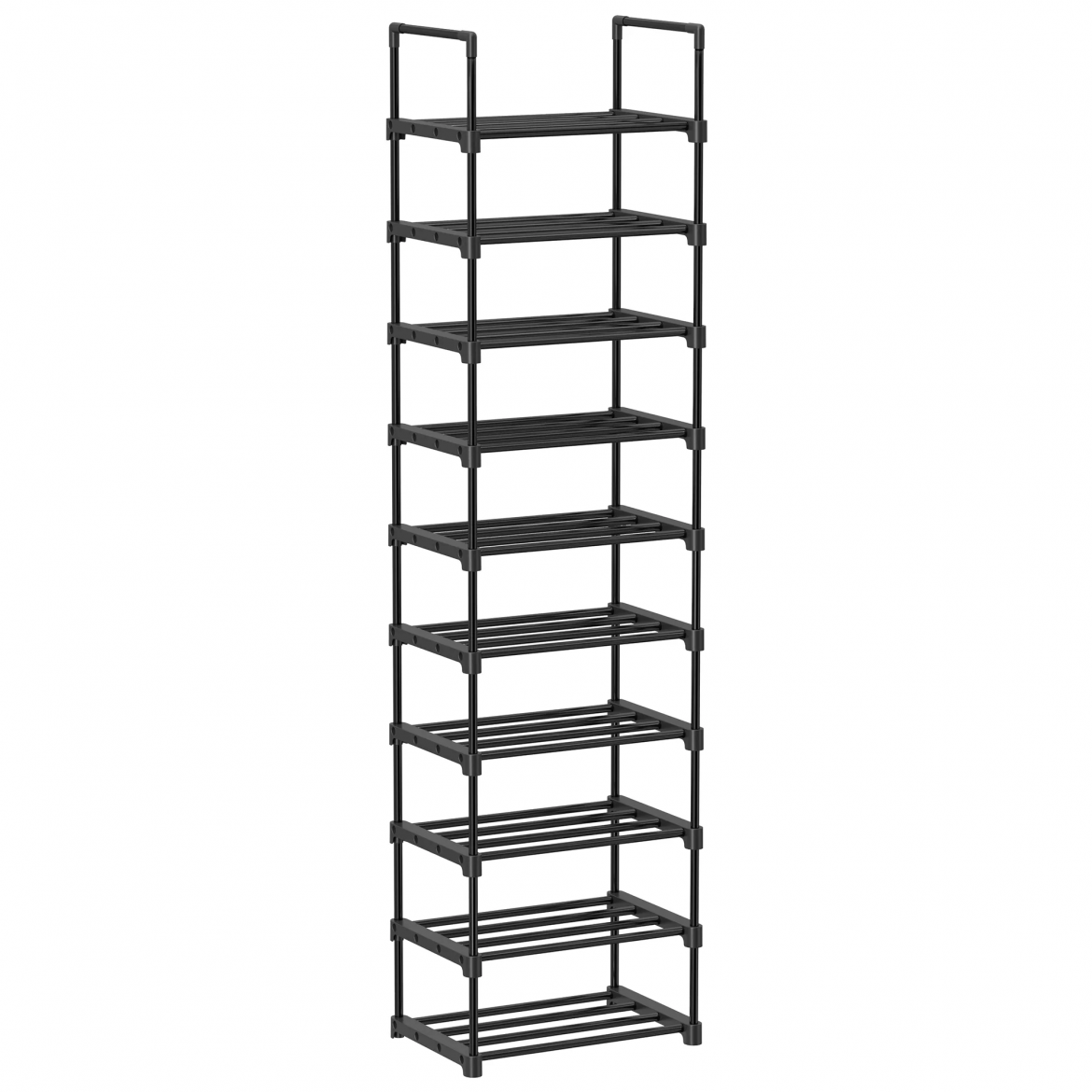
Leading shoe rack suppliers often turn to metal as a primary material due to its strength and longevity. For example, the 10-tier Metal Shoe Rack by SONGMICS HOME is constructed from thickened metal tubes. This robust design ensures that each tier can support up to 5 kg, making it ideal for holding multiple pairs of shoes without bending or warping. Metal’s resistance to wear and tear is a significant advantage, appealing to consumers looking for lasting solutions.

Versatile Design Features

In addition to the choice of materials, versatility is another critical characteristic that shoe rack manufacturers emphasize. The ability to customize storage solutions is crucial for modern lifestyles. The 10-tier Metal Shoe Rack features removable shelves, allowing users to create extra height for tall boots or even storage boxes. This adaptability not only maximizes space but also caters to varying consumer needs—a key selling point for leading shoe rack suppliers.

Easy Assembly and Stability

Another consideration for buyers is the ease of setup and stability of the product. The design of SONGMICS HOME’s shoe rack includes a practical plug-in approach, clear instructions, and labelled parts, enabling quick assembly without tools. Additionally, the anti-tip kit guarantees added stability, ensuring the safety and practicality that consumers expect from reputable shoe rack manufacturers.

Elevate Your Storage Solutions with SONGMICS HOME

By partnering with a leading shoe rack supplier like SONGMICS HOME B2B, businesses can provide customers with high-quality, durable, and versatile products. Their commitment to innovative materials and practical design makes them a preferred choice in the competitive landscape of shoe storage solutions, paving the way for a tidy and organized home environment.

0 comment
0 FacebookTwitterPinterestEmail