Category:

Medical

In the realm of regenerative medicine and tissue engineering, the role of stem cell media is pivotal for the successful culture and expansion of mesenchymal stem cells (MSCs). For businesses involved in biotechnology and pharmaceutical development, knowing the components of MSC media is essential not only for ensuring cell viability but also for maintaining the desired functionalities of stem cells.

The Role of MSC Media in Cell Cultures

Stem cell media, particularly the MSC media, is designed specifically to support the growth and proliferation of human mesenchymal stem cells (hMSCs) in a controlled environment. The composition of this media is a delicate balance of ingredients that furnish the cells with the necessary nutrients and growth factors they need to thrive. Typically, MSC media contains basal media, various supplements, and specific growth factors.

Basal media forms the foundation and includes essential amino acids, vitamins, and inorganic salts, providing the necessary environment for cell metabolism. The choice of basal media can influence cell proliferation and differentiation; therefore, understanding which medium to use is crucial for optimal results.

The supplements added to MSC media are equally important. They generally include serum replacements or specific growth factors that enhance the viability and expansion of MSCs. In serum-free environments, formulations such as that from ExCell Bio are important, as they provide an optimized mix that avoids the variability associated with animal sera. This formulation supports multiple passages of MSCs while ensuring that their key differentiating capabilities are preserved, thus making it essential for clients seeking reliable culture conditions.

The Specifics of ExCell Bio MSC Media

ExCell Bio stands at the forefront of producing high-quality MSC media, designed thoughtfully to be serum-free and xeno-free. This media promotes the long-term culture of hMSCs, offering a controlled environment that eliminates the risk of contamination and variability seen in traditional serum-based media.

The MSC media from ExCell Bio is formulated to support not only growth but also the differentiation potential of hMSCs across various pathways. By providing a carefully tailored matrix of ingredients, this media enables researchers and businesses to produce consistent and reliable results in their stem cell applications. The versatility of this media makes it particularly beneficial for developing applications in regenerative therapies, drug discovery, and tissue engineering.

By understanding the specific ingredients in MSC media and how they support the growth and differentiation of human mesenchymal stem cells, businesses can make informed decisions about their stem cell research and applications. The importance of selecting high-quality media cannot be overstated; it directly impacts research outcomes and product development timelines.

Ingredients Matter in Stem Cell Media Production

In summary, the selection of ingredients in MSC media is critical to achieving success in stem cell culture. With companies like ExCell Bio providing premium serum-free MSC media, researchers can ensure they are using formulations that enhance cell viability and functionality, thereby supporting innovative applications in biotechnology and medicine. Understanding these components will enable organizations to harness the full potential of stem cell technology in various therapeutic landscapes.

0 comment
0 FacebookTwitterPinterestEmail

Understanding what is the medical treatment for leukemia when conventional chemotherapy does not achieve the expected response is essential for patients seeking clear guidance. As hematology care advances, clinicians now consider multiple therapeutic approaches that address the underlying mechanisms of hematologic diseases more precisely. GoBroad Healthcare Group has developed programs that reflect these evolving needs by supporting patients who require more targeted solutions. When patients experience limited progress with first-line treatments, identifying next-step options becomes vital for maintaining therapeutic momentum.

Targeted Therapies Designed for Treatment-Resistant Leukemia

In cases where standard regimens fail, specialists often explore targeted therapy to determine what is the medical treatment for leukemia that can intervene more effectively. These modalities can act on genetic or molecular drivers of hematologic diseases, allowing physicians to adjust treatment intensity based on individual patient profiles. They also help clinicians reduce unnecessary toxicity and provide a clearer therapeutic direction. Through their hematology programs, they introduce patients to options such as molecularly guided medications, immunotherapy, and cell-based interventions, ensuring that treatment plans evolve alongside clinical needs.

Advanced Cellular Approaches for Complex Hematologic Conditions

For more challenging scenarios, cellular therapies—CAR-T, Tcel, HSCT, and BMT—play an increasingly relevant role in answering the question: what is the medical treatment for leukemia when conventional chemotherapy no longer controls the disease. These methods support long-term disease management for selected hematologic diseases, offering pathways for remission that extend beyond traditional pharmaceuticals. They also emphasize a structured approach, coordinating diagnostics, donor matching, and transplant care. Through their platform, they provide detailed information about these programs, including clinical pathways described on their hematologic disease resource page.

Conclusion

Patients and families often seek clarity on what is the medical treatment for leukemia when initial chemotherapy proves ineffective, and modern care now offers several structured alternatives. Targeted therapy, cellular therapy, and transplant-based options help clinicians address hematologic diseases that require more specialized strategies. By integrating these advanced modalities and providing accessible educational resources, they offer practical guidance that helps patients navigate complex treatment decisions with greater confidence.

0 comment
0 FacebookTwitterPinterestEmail

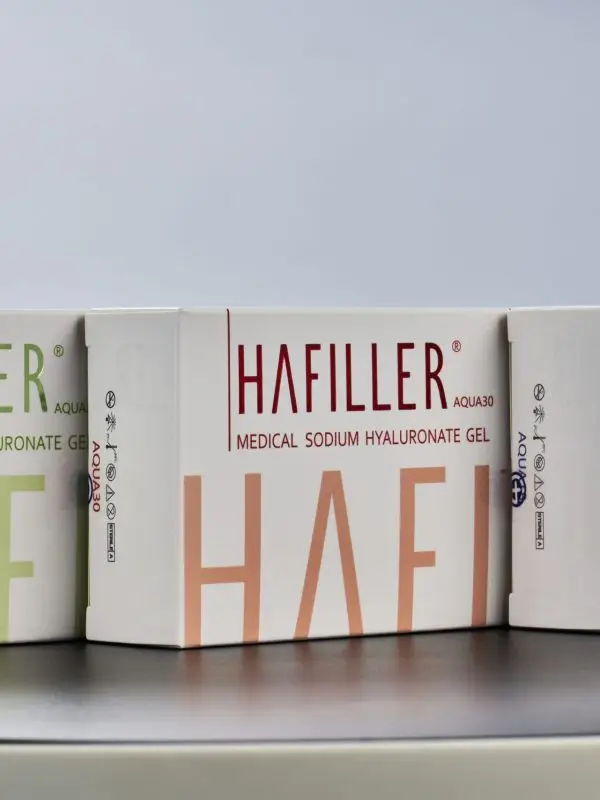
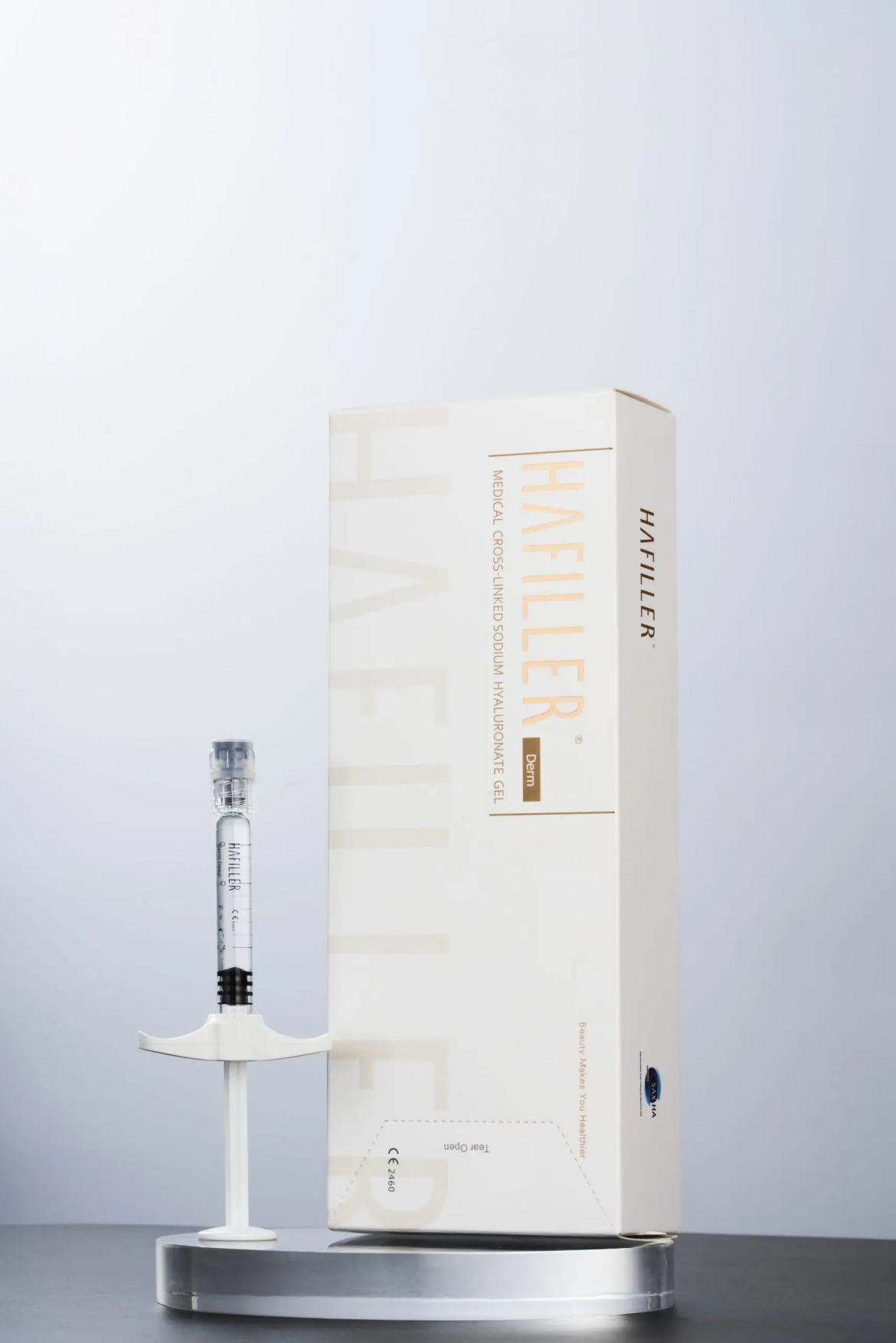
Sodium hyaluronate gel is a versatile and effective injectable substance that has found applications in both aesthetic and medical fields. Jingjia Medical has pioneered the development of HAFILLER, a high-quality medical sodium hyaluronate gel that provides a range of benefits, from wrinkle reduction to tissue repair. This naturally occurring substance, also known as hyaluronic acid (HA), is found in the body’s connective tissues, skin, and synovial fluid in joints. When used in medical and cosmetic injections, sodium hyaluronate works to enhance skin hydration, improve elasticity, and support tissue regeneration, among other benefits.

Aesthetic Uses of Sodium Hyaluronate Gel Injections

One of the most popular uses for sodium hyaluronate gel injections is in the field of aesthetic medicine. HAFILLER by Jingjia Medical is used as a dermal filler to restore volume to the skin, smooth out fine lines, and reduce wrinkles. The hyaluronic acid in these injections helps to attract and retain moisture in the skin, providing deep hydration that enhances skin elasticity and suppleness. This leads to improved overall skin texture, giving the face a youthful, plump appearance. HAFILLER’s injectable hyaluronic acid is particularly effective in filling areas of lost volume, such as the cheeks, lips, and forehead, creating a smoother, more defined facial contour.

Therapeutic Applications in Medical Treatments

Beyond cosmetic uses, medical sodium hyaluronate gel has proven highly effective in medical treatments, especially in promoting tissue regeneration and healing. Sodium hyaluronate injections help accelerate the healing of skin wounds and scars by reducing inflammation and promoting tissue repair. They also facilitate the formation of new blood vessels, improving nutrient delivery to the affected area. In joint treatments, these injections help lubricate the joints, providing relief from conditions such as osteoarthritis by reducing pain and improving mobility. Additionally, HAFILLER is used in ophthalmic surgery, where it maintains the depth and stability of the eye’s anterior chamber during cataract procedures, preventing damage to the corneal endothelium.

A Reliable Solution for Beauty and Healing

Sodium hyaluronate gel injections, particularly HAFILLER from Jingjia Medical, offer a wide array of benefits in both aesthetic and medical treatments. Whether used for wrinkle reduction, tissue repair, or joint lubrication, the versatility and safety of this injectable gel make it an essential tool in modern medicine. With its advanced formulation and proven efficacy, HAFILLER is a preferred choice for professionals looking to deliver high-quality results to their patients, whether in a cosmetic clinic or medical setting.

0 comment
0 FacebookTwitterPinterestEmail

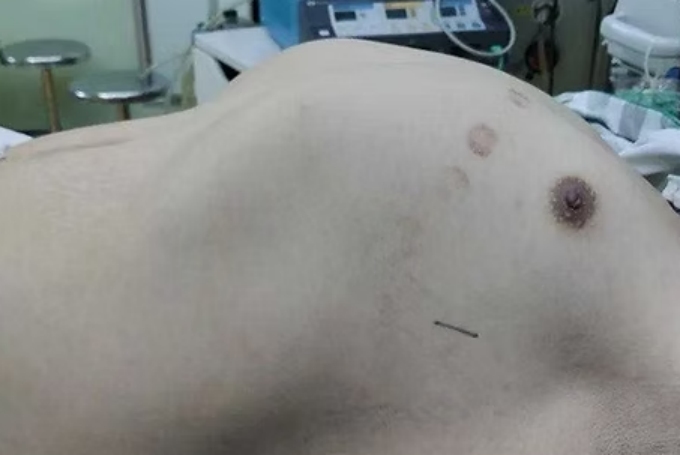
Medically, a barrel shaped chest is a recognized anatomical variation characterized by a specific set of structural changes to the thorax. This deformity presents as a rounded, bulging chest wall where the anterior-posterior (front-to-back) diameter is significantly increased, nearly equaling the transverse (left-to-right) diameter. This distinct ratio is the primary feature that gives the chest its characteristic barrel-like appearance. Accompanying this are other key anatomical markers, including a decreased inclination of the ribs, widened intercostal spaces and an enlarged infrasternal angle. 

Anatomical Hallmarks and Clinical Presentation

The diagnosis of a barrel shaped chest involves identifying specific physical signs beyond its overall convexity. A key identifier is the angle between the ribs and the spine, which often exceeds 45 degrees, making the rib cage appear more horizontal. Furthermore, the intercostal spaces between the ribs are noticeably widened. It is crucial to understand that a barrel shaped chest can be a standalone congenital condition for some, while for others, it may be associated with certain chronic respiratory diseases that cause hyperinflation of the lungs over time, altering chest wall mechanics.

Seeking Clarity and Professional Assessment

For an individual with this chest wall configuration, determining the underlying cause is an essential step. While often benign, a professional evaluation can rule out or manage any associated pulmonary conditions. A thorough assessment typically involves a physical examination and diagnostic imaging to fully visualize the chest’s structure. For those seeking a definitive diagnosis and understanding of their specific anatomy, consulting with a specialized center is advisable. The Institute of Chest Wall Surgery (ICWS) possesses the expertise to evaluate various chest wall deformities, including a barrel shaped chest, providing patients with a comprehensive analysis and peace of mind regarding their thoracic health.

Conclusion

In summary, a barrel shaped chest is a distinct deformity defined by measurable changes in the chest wall structure. While its impact varies, understanding its features is the first step toward addressing any potential concerns. A specialized medical evaluation is the best course of action for a precise diagnosis, offering individuals clarity and guidance on any necessary follow-up or management strategies.

0 comment
0 FacebookTwitterPinterestEmail

For individuals considering aesthetic enhancements, a primary question is often how long the results will last. The longevity of injectable fillers is a key factor in treatment planning and patient satisfaction. Understanding the science behind different products helps set realistic expectations. Companies like JingJia Medical focus their research on developing durable and reliable solutions to meet this demand. Their commitment to quality ensures that patients and practitioners can make informed decisions based on product performance.

The Factors Influencing Filler Duration

The lifespan of an injectable filler is not a single number, as it varies based on several factors. The product’s formulation, the injection site, and an individual’s metabolic rate all play significant roles. Generally, hyaluronic acid-based best injectable fillers can last from several months to over a year. The specific cross-linking technology used in the gel is crucial for its persistence under the skin. This technology determines how the gel integrates with tissue and resists degradation, directly impacting the duration of the aesthetic effect.

Flagship Product with Outstanding Performance

JingJia Medical is dedicated to delivering products with exceptional performance. For instance, this is a specialized dermal filler designed to target crow’s feet, delivering natural-looking wrinkle correction. Formulated at 20mg/ml concentration with 100-150μm particles, it ensures smooth integration and precise results. Available in 1.0ml and 2.0ml specifications, it offers flexible dosing for personalized treatment. Enjoy long-lasting effects for 6-9 months, restoring a youthful, refreshed appearance with minimal downtime.

Conclusion

When evaluating the longevity of injectable fillers, the manufacturer’s expertise and quality controls are as important as the science. JingJia Medical demonstrates its dedication through international certifications, widespread distribution, and a focus on proprietary technology. They provide aesthetic professionals with products developed for reliable performance, helping to build a foundation of trust in the outcomes. For those seeking durable aesthetic solutions, understanding the company behind the product is a critical step in the journey.

0 comment
0 FacebookTwitterPinterestEmail

The emergence of over-the-counter (OTC) hearing aids has significantly transformed the hearing assistance market. These devices are designed to be more accessible and affordable, allowing consumers to manage their hearing needs without intermediary professional appointments. This article provides insight into the companies leading the development and distribution of OTC hearing aids.

Key Players in the OTC Hearing Aid Market

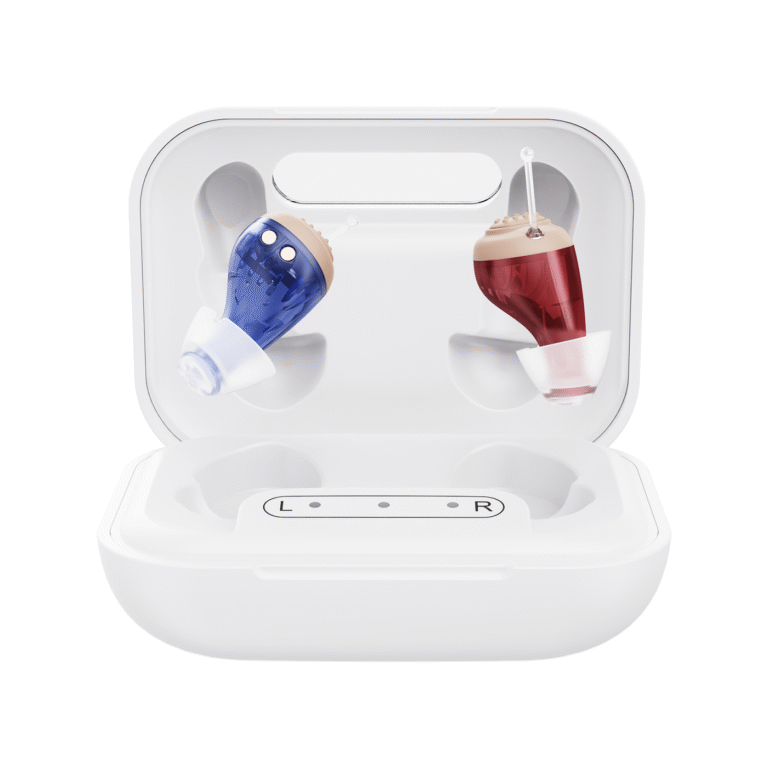
Several notable companies are pioneering the production of hearing aids OTC, with Jinghao standing out in this sector. Jinghao offers innovative solutions that leverage advanced technologies to meet consumer demands effectively. Known for its commitment to quality and user-friendly designs, Jinghao is shaping the future of hearing assistance technology, making it an excellent choice for consumers seeking reliable hearing aids.

The Benefits of OTC Hearing Aids

One of the most significant advantages of hearing aids OTC is cost affordability. Traditionally, hearing aids could be prohibitively expensive, forcing many individuals to forgo necessary assistance. OTC options provide a more economical solution, allowing consumers to access high-quality devices at lower price points. This shift enhances competition within the industry, as more manufacturers introduce innovative features that cater to diverse hearing needs and budgets.

Changing Consumer Dynamics

The influx of hearing aids OTC into the market is changing consumer behaviors and expectations. With the ability to purchase these devices directly, customers are now empowered to make informed decisions regarding their hearing health. This accessibility fosters greater awareness and understanding of hearing loss while encouraging early intervention and proactive management of auditory challenges. As awareness grows, the demand for improved product quality and technological advancements will likely continue to escalate.

The Future of OTC Hearing Devices

As the OTC hearing aid market evolves, technological advancements will play a crucial role in its development. As more brands enter the arena, the potential for enhanced features and customization options increases. Companies are likely to explore innovations such as Bluetooth connectivity, app integration, and personalized listening profiles. The movement toward OTC devices is set to democratize hearing health, making it easier for consumers to access the assistance they need.

At the forefront of this shift is Jinghao, known for their commitment to quality in producing user-friendly products that meet the rising demand for accessible hearing solutions. Their offerings contribute to the ongoing evolution of the OTC hearing aid market, ensuring consumers can find effective solutions tailored to their needs. The future looks promising for hearing aids OTC, with significant impacts anticipated for both industry stakeholders and consumers alike.

0 comment
0 FacebookTwitterPinterestEmail

In the realm of healthcare and laboratory settings, the importance of effective sterilization cannot be overstated. Medical sterilizers play a crucial role in ensuring that instruments and equipment are free from pathogens. There are various types of autoclaves, but three prominent categories are the top-loading steam sterilizer, low-temperature plasma sterilizer, and dental sterilizer. Each type serves a specific purpose and is designed to meet the diverse needs of medical facilities.

Top-Loading Steam Sterilizer

The top-loading steam sterilizer is one of the most commonly used medical sterilizers in hospitals and clinics. This type of autoclave utilizes high-pressure steam to eliminate bacteria, viruses, and other microorganisms from surgical instruments and supplies. The process typically involves heating water to generate steam, which then penetrates the items to be sterilized.

Top-loading steam sterilizers are favored for their efficiency and effectiveness in sterilizing heat-resistant materials, such as metal instruments. They operate at various temperatures and cycles, allowing healthcare providers to select the appropriate settings based on the type of materials being sterilized. As a result, these medical sterilizers are essential in ensuring patient safety and instrument reliability.

Low-Temperature Plasma Sterilizer

In contrast to the top-loading steam sterilizer, the low-temperature plasma sterilizer operates using hydrogen peroxide gas plasma. This method is particularly beneficial for sterilizing heat-sensitive instruments that cannot withstand high temperatures. The low-temperature process allows for the effective sterilization of delicate equipment, including electronic devices and certain plastics.

The low-temperature plasma sterilizer is an essential medical sterilizer in settings where traditional steam sterilization is not feasible. Its efficiency in killing a broad spectrum of microorganisms, including spores, makes it a valuable tool for hospitals and clinics. This type of sterilizer is also favored for its quick turnaround time, allowing for rapid processing of instruments, which is critical in busy medical environments.

Dental Sterilizer

Dental sterilizers are specifically designed to meet the unique needs of dental practices. These medical sterilizers often employ either steam or chemical methods to ensure that dental instruments are thoroughly sterilized before use. Given the nature of dental procedures, where the risk of infection is significant, the reliability of dental sterilizers is paramount.

These sterilizers are typically compact and efficient, providing quick cycles to accommodate the high volume of instruments used in dental settings. By utilizing advanced technology, dental sterilizers ensure that all tools, including handpieces and surgical instruments, are free from contaminants, thus safeguarding both patients and practitioners.

Ensuring Safety in Medical Facilities

In conclusion, understanding the different types of medical sterilizers—top-loading steam sterilizers, low-temperature plasma sterilizers, and dental sterilizers—is crucial for businesses operating in the healthcare sector. Each type serves a unique role in ensuring the safety and efficacy of medical instruments. Investing in the right medical sterilizer is essential for maintaining high standards of hygiene and patient care. For reliable and innovative sterilization solutions, WEGO Medical offers a range of products tailored to meet the needs of healthcare professionals.

0 comment
0 FacebookTwitterPinterestEmail