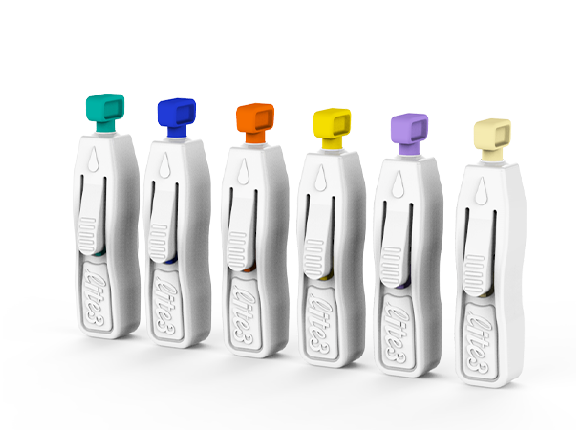
Fingerstick testing can be affected by details that seem minor during a busy routine. Skin temperature, hand cleanliness, puncture location, pressure, and even the way the device is held may influence blood flow and specimen collection. Safety lancet selection forms only one part of that process, since the condition of the fingertip and the sampling technique can also shape the result. SteriLance develops disposable capillary blood collection devices for everyday testing, while a closer look at these practical variables can help explain why sample quality sometimes varies between otherwise similar tests.
Finger Temperature And Blood Circulation
Cold hands can make capillary sampling more difficult because peripheral circulation may be reduced. Limited blood flow can mean that more time or manipulation is needed to obtain an adequate sample.
Gentle warming before collection may help improve circulation in the fingertip. Warm water followed by thorough drying is one practical approach, provided that it is compatible with the instructions for the specific test.
Individual circulation patterns also differ. Physical activity, ambient temperature, hydration, and personal physiology can all influence how readily blood reaches the fingertips. Consequently, identical sampling procedures may not produce identical collection experiences.
Skin Condition And Puncture Location
The surface of the fingertip changes over time. Calluses, dryness, irritation, and recently punctured areas can affect tissue resistance and sensitivity, making site selection relevant to routine testing.
Repeated sampling in one location may contribute to local tenderness. Rotating suitable sites can distribute punctures across the available sampling areas and may make frequent testing more comfortable.
The sides of the fingertip are often used for capillary sampling because the central pad can be particularly sensitive. Specific site recommendations should still follow the requirements of the relevant test and device rather than relying solely on general practice.
Pressure And Collection Technique
The amount of pressure applied after puncture can influence both comfort and specimen collection. Excessive squeezing may increase discomfort and can introduce tissue fluid into the blood sample, potentially affecting certain measurements. A good rule of thumb is to apply gentle pressure around the puncture site only when necessary, avoiding forceful squeezing that might compromise the sample.
Positioning also matters. Stable contact between the device and fingertip helps the activation mechanism function as intended, while inconsistent placement can produce variation in puncture location or sensation. Taking a moment to check fingertip positioning before each use can improve consistency and reduce the likelihood of a shallower or off-center puncture.
Such details become especially relevant during frequent self-testing. Safety lancet use is most effective when device handling, puncture location, and post-puncture collection are considered together rather than treated as separate steps. Viewing the whole routine—from preparing the finger to collecting the drop—as a connected sequence helps identify small adjustments that make each test more comfortable and more reliable.
Device Design And Everyday Usability
Mechanical design can influence the experience before and during puncture. Activation method, grip shape, portability, and the amount of force required can affect how easily users maintain a consistent sampling routine.
SteriLance includes several safety-lancet configurations designed around different user interactions. The Disposable Safety Lancet (Lite3 model) uses side-button activation with gentle fingertip pressure. Manufacturer information describes the model as intended to ease anxiety and support daily self-testing, with comfort and reliability considered for people living with diabetes.
Such features do not replace good sampling practice. Instead, they illustrate why device selection can involve usability as well as basic needle characteristics. Different users may respond differently to button placement, activation movement, grip, and overall handling.
Hygiene And Specimen Handling
Clean hands are an important starting point for capillary blood testing. Washing with soap and water can remove substances from the skin that might interfere with some measurements, while careful drying prevents excess moisture from affecting the sampling area.
Testing instructions may specify additional preparation requirements. Following the procedure associated with the particular measurement is preferable to applying one generalized routine to every type of test.
Specimen handling also deserves attention once blood has been obtained. Excessive manipulation of the fingertip or repeated attempts can make the process more uncomfortable. If collection repeatedly proves difficult, reviewing the entire procedure may reveal factors that are unrelated to the device itself. Once collected, the specimen should be transferred to the appropriate container or testing medium promptly, as delays or improper storage may compromise the reliability of the results.
Conclusion
Small variables can have a surprisingly noticeable effect on fingerstick sampling. Temperature, circulation, skin condition, puncture location, pressure, hygiene, and device handling each contribute to the conditions surrounding specimen collection. Safety lancet technology can provide a controlled puncture mechanism, yet dependable routine testing also depends on appropriate preparation and technique. Considering these factors together gives healthcare professionals and people managing diabetes a clearer basis for evaluating sampling practices, while SteriLance‘s range of designs offers different approaches to everyday capillary blood collection.
Disclaimer: This content is provided for general health education and informational purposes only. It does not constitute medical advice, diagnosis, or treatment. Individual health conditions vary, and no health education article can replace a face-to-face consultation with a qualified healthcare professional or licensed medical institution. If you have specific health concerns or feel unwell, please seek care from a licensed medical facility and do not delay treatment because of content on this platform.
