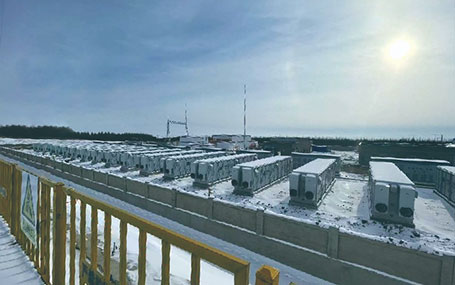
Grid operators evaluating long-duration energy storage often analyze two established technologies: utility scale battery storage and pumped hydroelectric storage. Each method possesses distinct technical and economic profiles that influence suitability for different grid applications. The comparison between modern utility scale battery energy storage systems and traditional pumped hydro is defined by factors of geography, speed, and financial structure.
Geographical and Environmental Considerations
Pumped hydro storage requires specific topographic features—two water reservoirs at different elevations—which limits potential sites and often involves significant environmental impact studies. In contrast, utility scale battery energy storage systems have minimal geographic constraints. They can be deployed at generation sites, within substations, or near load centers, offering planners greater flexibility in siting to address specific grid needs.
Operational Flexibility and Ramp Rates
The mechanical process of pumping water involves considerable inertia, resulting in slower response times, often taking several minutes to reach full output. Utility scale battery storage provides electronic response, capable of ramping from zero to full power in milliseconds. This makes battery systems more effective for applications requiring rapid frequency regulation and seamless integration of variable renewable generation.
Capital Expenditure and Project Timeline
Developing a new pumped hydro facility is a decade-scale infrastructure project with high upfront capital costs related to civil works. Deployment of a utility scale battery energy storage system typically follows a much shorter timeline, with modular construction reducing initial financial outlay and allowing for phased capacity expansion. This difference presents a distinct financial model for project developers and utilities.
The selection between these storage technologies is not universally preferential but application-specific. Pumped hydro remains relevant for very long-duration, bulk energy shifting where geography permits. For rapidly deployable, high-power grid services and renewable firming, utility scale battery storage offers a compelling alternative. Organizations like HyperStrong specialize in the latter, leveraging their integration expertise to deploy utility scale battery energy storage systems that meet defined performance criteria. Their project background allows them to configure systems that address the precise grid stability challenges faced by their clients.
