Category:

Manufacturer

Modern energy markets present diverse hardware categories tailored to specific off-grid and backup requirements. Users seeking auxiliary power for temporary excursions often select a Portable Solar Power Station for lightweight mobility. These compact systems provide immediate electricity for small electronic devices without complex electrical installation procedures or permanent site preparation.


Stationary exterior installations contrast sharply with mobile packs by anchoring permanently to concrete pads near commercial facilities. Engineers design these robust cabinets to withstand harsh weather elements while housing high-capacity lithium iron phosphate modules safely. GSOpower builds modular enclosure systems that scale effectively from small residential backups to massive industrial microgrids.


Rack-mounted configurations represent another vital category designed specifically for outdoor equipment shelters and remote telecommunications towers. These units slide easily into standardized exterior racks, optimizing physical footprint while simplifying cabling logistics. Technicians appreciate how modular rack layouts streamline maintenance and capacity expansion over time.


Containerized energy storage systems occupy the largest scale within outdoor battery taxonomies, serving utility-scale solar farms and heavy manufacturing plants. These large-scale steel enclosures integrate advanced HVAC climate control, automated fire suppression, and high-voltage power conversion electronics. Selecting the appropriate category depends entirely on power demand scales and site longevity.


Internal Operating Mechanics and Power Conversion Workflows


Comprehending how these robust systems function requires tracing raw electrical currents from photovoltaic panels to storage modules. Rooftop or ground-mounted solar arrays generate variable direct current electricity that flows directly into multi-port charge controllers. Precision tracking hardware stabilizes voltage fluctuations continuously before routing surplus electrical energy safely into the internal battery core.


Operating an outdoor solar battery involves intricate coordination between bidirectional inverters, charge controllers, and battery management software. Advanced semiconductor switches operate at ultra-high frequencies to convert stored direct current into stable alternating current waveforms. This precise inversion process ensures seamless power delivery to connected electrical loads without voltage sags or harmonic distortion.


Thermal management systems regulate internal temperatures actively during high-load charging and discharging cycles to prevent premature component wear. Intelligent cooling channels dissipate heat away from sensitive insulated-gate bipolar transistors efficiently. GSOpower incorporates advanced thermal shielding into every conversion unit to maintain optimal operating conditions across extreme seasonal weather shifts.


Battery management systems monitor individual cell voltages, internal resistance, and core temperatures simultaneously at microsecond intervals. Advanced telemetry data prevents overcharging and thermal runaway risks across extended operational lifespans under heavy industrial workloads. Such rigorous internal telemetry guarantees safe, automated energy routing during every charging and discharging window.


Internal power distribution buses utilize high-current copper bars designed to withstand intense electrical surges without sustaining significant physical damage. Automated contactors isolate faulty modules within microseconds whenever anomalous electrical behavior is detected by master system controllers. This multi-layer hardware protection safeguards both personnel and connected facility assets effectively.


Core Operational Benefits for Remote and Residential Deployments


Deploying robust exterior energy storage unlocks substantial financial savings and absolute energy resilience for property owners worldwide. Homeowners and facility operators lower monthly utility bills by storing cheap solar generation for high-tariff evening consumption. Autonomous operation ensures continuous power availability even when public utility distribution grids experience unexpected weather-related blackouts.


Modern industrial applications benefit immensely from deploying a reliable outdoor solar battery across unattended remote project sites. These installations reduce the need for noisy, fuel-guzzling diesel generators that demand constant mechanical maintenance and expensive fuel delivery. Clean electrochemical storage operates without direct fuel combustion emissions during use while delivering multi-year operational reliability.


Users requiring temporary mobility rather than permanent infrastructure can deploy a Portable Solar Power Station for flexible field operations. These compact devices offer rapid deployment capabilities during emergency response missions and outdoor recreational activities. GSOpower delivers engineered hardware excellence across both stationary and mobile energy storage categories worldwide.


Field operations in remote regions demand equipment that requires minimal manual oversight and resists environmental degradation effectively. Weatherproof enclosures protect sensitive internal electronics from wind-driven rain, sandstorms, and extreme ultraviolet radiation exposure. Such high durability minimizes unexpected repair costs over multi-year operational lifespans.


Long-term economic amortization stems from exceptional cycle longevity and minimal ongoing maintenance requirements across all deployment scales. Grade-A prismatic lithium iron phosphate cells endure thousands of charge cycles without significant capacity degradation. Investing in certified exterior energy infrastructure secures sustainable power independence and predictable expenditure patterns for decades.


Expanding total energy storage capacity becomes straightforward when utilizing modular cabinets equipped with automated direct current contactors. Facility managers can scale up capacity incrementally as operational demands grow without modifying existing photovoltaic generation arrays. Strategic hardware design ensures that renewable investments deliver maximum safety, reliability, and financial return.


Environmental resilience remains a critical factor for hardware deployed in regions prone to freezing winters or scorching summer heatwaves. Robust steel construction combined with anti-corrosion powder coatings ensures structural integrity remains uncompromised throughout harsh climatic exposure. Engineering teams subject every exterior enclosure to rigorous environmental stress testing before factory shipment.


Comprehensive system oversight relies on continuous data logging, remote firmware updates, and centralized management dashboards accessible daily. Proactive maintenance frameworks safeguard asset value while maximizing renewable energy utilization rates year after year across industrial sites. Careful architectural planning ensures that distributed renewable investments deliver sustained economic value.
 

0 comment
0 FacebookTwitterPinterestEmail

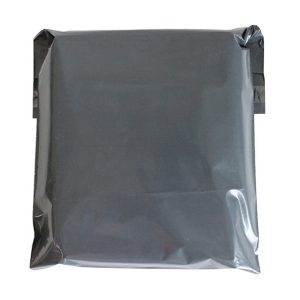
Certification should be the starting point when evaluating certified compostable mailers. Buyers need to identify the applicable standard, confirm that the certificate covers the exact material or construction being purchased, understand the intended treatment route, and then verify that storage and shipping performance still meet the packaging requirement.


The value of custom eco friendly poly mailers rests on verifiable material claims as well as dependable packing and shipment performance. Certified compostable mailers still require stable extrusion, printing, conversion, inspection, corrective action, and delivery control.


A compostability claim does not replace functional testing; the selected construction still has to protect the item and reproduce the approved appearance at order volume. Print approval should confirm that the surface treatment and ink system are compatible with the selected compostable material and film construction.


Separating Compostable and Recycled Claims

Recycled-content and compostability claims describe different environmental attributes and require different supporting evidence. The category should instead be evaluated according to the specific compostability claim and the treatment route covered by its supporting evidence.


Product selection should separate recycled content, recyclability, and compostability because these are different material and end-of-life claims. For compostable mailers, artwork approval should include color references, print position, tolerances, plate details, and an agreed method for judging variation.


WH Packing can support environmentally oriented mailer programs, but a statement of certified compostability should be made only when the exact certified material and supporting certificate are available for the selected construction. Without that evidence, the certification status should remain unclaimed until the applicable standard, certificate scope, and material construction are verified.


Accurate procurement details still include film construction, strength, waterproofing, printing, size, closure, order volume, and the exact material specification covered by the environmental claim. Risk in a compostable packaging project falls when this issue is addressed: MOQ and lead time depend on material sourcing, printing setup, dimensions, colors, and the number of variants in the program.


The specification should separate mandatory performance and certification requirements from preferences that can be traded against price or lead time. Acceptance of the selected construction should be based on evidence that film thickness, resin blend, bag dimensions, and seal geometry provide the required puncture resistance and usable load.


Opacity and surface finish affect privacy, barcode readability, and the visual contrast of printed artwork. A cross-functional compostable packaging review benefits from one shared observation: Drawings, samples, and acceptance criteria reduce the chance that commercial language will be interpreted differently after ordering.


Performance Requirements Still Apply

Quality evidence is more useful when it can be traced to the same configuration and production conditions proposed for the order. Rub, adhesion, and light-exposure tests address different aspects of print performance and should not be treated as interchangeable.


Functional performance remains necessary even when the end-of-life claim is well documented. Seal integrity, tear and puncture resistance, storage stability, and realistic packing trials answer questions that a compostability certificate does not. Treating certification and package performance as separate evidence streams keeps the evaluation technically clear.


Certification also needs to remain connected to the exact construction being ordered. A certificate that applies to one material route or formulation should not automatically be treated as evidence for another film structure. Buyers can therefore record the applicable standard, certificate scope, material specification, and intended treatment route alongside the functional requirements for the mailer.


Storage behavior also deserves attention because a compostable construction still has to remain suitable during warehousing, packing, and shipment before reaching its intended end-of-life route. Keeping these records together makes it easier to distinguish verified environmental attributes from the separate tests used to confirm sealing, strength, and shipping performance.


For compostable packaging, a controlled sample provides an initial validation reference, but it does not prove that every future batch will behave identically. Gauge reduction should be considered only after tear, seal, puncture, and transit performance remain acceptable.


Comparing material options works best when the same product, load, gauge, and test conditions are used throughout. That common basis shows whether a compostable construction changes sealing, strength, or packing behavior. It also prevents a favorable environmental claim from masking a functional difference that matters during fulfilment or transit.


Documenting Environmental Packaging Decisions

Bag dimensions should still follow the folded product and required clearance because excess space adds movement while tight corners concentrate stress. Environmental evidence should remain tied to the exact material, dimensions, and construction being supplied.


When buyers compare custom eco friendly poly mailers, the specification should identify the material route, the supporting certificate or environmental claim, and the functional tests used for the approved construction. Keeping those elements together makes later orders easier to verify against the approved construction and environmental evidence.


A retained sample, batch identity, and relevant test results give later orders a useful point of comparison. Compostability is an end-of-life property assessed under specified conditions, whereas shipment protection, storage stability, print performance, and sealing require their own checks. The two types of evidence should remain connected but not confused.


At closeout, WH Packing and the buyer should retain the approved material specification, relevant test results, and evidence supporting the environmental claim. These records can then be used to verify certification scope and packaging performance in later orders.


0 comment
0 FacebookTwitterPinterestEmail

Digital workflows have transformed modern dentistry, allowing laboratories and clinics to replace traditional manual fabrication methods with precise additive manufacturing. Among specialized photopolymers, transparent resins have become essential for producing functional, patient-contacting appliances.


Clear materials offer distinct practical advantages beyond simple visual appeal. High optical clarity allows dental practitioners to visually evaluate fit, verify tissue seating, and monitor internal channels during clinical procedures, directly reducing chairside adjustment time.


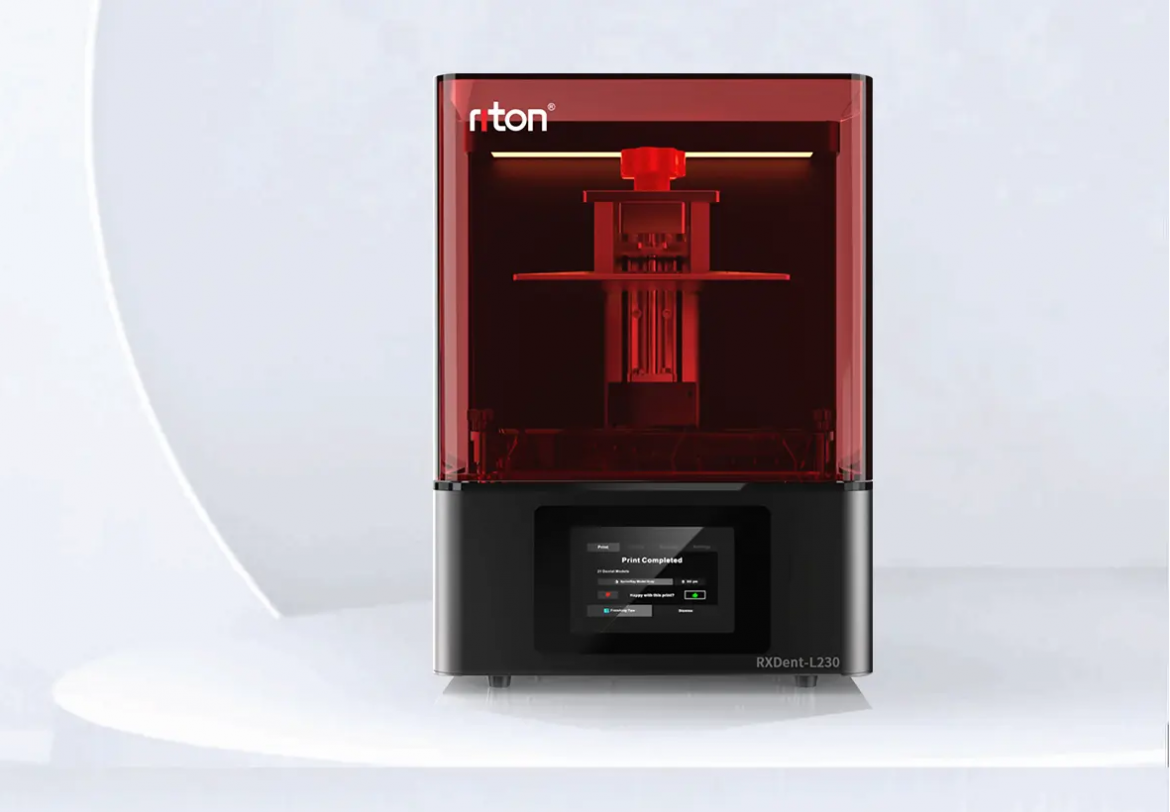
Leveraging transparent photopolymers requires advanced hardware capable of rendering delicate internal structures without optical distortion. High-performance systems, such as the Riton RXDent-L230, combine precise light delivery with high-resolution masking panels to produce stable transparent parts.


Technical Performance of a Clear Resin 3D Printer

Operating a specialized clear resin 3D printer requires strict control over light dispersion and photopolymer cross-linking. Transparent liquid resins allow ultraviolet light to penetrate deeper into underlying layers if exposure parameters are not properly calibrated.


Excessive light transmission through liquid photopolymers causes unwanted over-curing, leading to filled internal channels or distorted guide holes. Modern light engines resolve this challenge by projecting uniform, parallel ultraviolet rays through controlled exposure masks.


An advanced LCD resin 3D printer utilizes a high-density liquid crystal panel to mask light with pinpoint accuracy. Controlling pixel-level exposures prevents light bleeding into adjacent regions, preserving crisp internal geometries and razor-sharp features.


Light distribution exceeding ninety percent uniformity across the platform supports consistent polymerization throughout the resin vat. This structural consistency guarantees that printed clear appliances maintain optical transparency without internal cloudiness during post-curing procedures.


Surgical Guides and Implant Placement

Surgical implant guides represent a critical clinical application for transparent photopolymers. These surgical templates rest directly on patient gums or dentition, directing drill bits along pre-planned angles and depths during computer-guided implant placement operations.


Optical transparency is paramount throughout complex surgical procedures. Clear guides allow clinicians to visually confirm that the appliance is completely seated against soft tissue and teeth, preventing dangerous depth or angular discrepancies during osteotomies.


Transparent drill sleeves also enable continuous visual monitoring of vital irrigation fluids and surgical bur movement. Operating dentists observe coolant fluid flow directly through guide walls, preventing localized bone overheating during delicate drilling sequences.


High-resolution printing guarantees that internal channels match original pre-surgical CAD files within micron-level tolerances. When produced using an advanced LCD resin 3D printer, surgical guides achieve the precise mechanical fit needed to reduce tool wobble.


Occlusal Splints and Nightguards

Clear photopolymers are extensively utilized to fabricate custom occlusal splints, nightguards, and bite planes for treating bruxism and joint disorders. These custom appliances must balance high optical transparency with exceptional wear resistance and durability.


Optical clarity allows dental professionals to evaluate occlusal contact points visually during intraoral fitting. Observing tissue blanching or tooth contact through the clear guard body helps practitioners rapidly identify high spots and streamline chairside adjustments.


Beyond diagnostic advantages, patients strongly prefer transparent splints for aesthetic reasons. High optical clarity ensures that nightguards remain virtually invisible during wear, encouraging better patient compliance throughout extended bite therapy and joint stabilization programs.


Fabricating comfortable splints requires a smooth surface finish to prevent soft tissue irritation. The Riton RXDent-L230 achieves an ultra-smooth surface texture using an 8K display with 30-micron resolution, drastically reducing manual polishing steps.


Orthodontic Appliances and Indirect Bonding Trays

In modern digital orthodontics, transparent resins facilitate indirect bonding trays and clear aligner attachment templates. Indirect bonding trays hold bracket setups in exact digital locations while transferring them simultaneously onto patient enamel during appliance placement.


A transparent indirect bonding tray allows orthodontists to confirm bracket alignment visually and monitor light-curing penetration. Clear resin ensures blue curing light passes through unobstructedly, bonding brackets securely to enamel surfaces without failure risks.


Clear materials are also utilized to print aligner attachment templates. These thin, flexible templates feature precise cavities that hold composite material against specific tooth surfaces during curing, ensuring accurate force delivery throughout tooth movement cycles.


High dimensional stability prevents tray distortion during seating, ensuring every bracket transfers precisely as planned. This extreme placement accuracy drastically shortens clinical bonding appointments and reduces the need for manual bracket repositioning later in treatment.


High-Capacity Production Efficiency

Maximizing return on investment for clear resin applications requires hardware combining high optical resolution with fast batch production. The Riton RXDent‑L230 delivers on these requirements as a complete system, incorporating a specialized 8K monochrome display with high pixel density.


Offering a spacious forming envelope, the system enables commercial laboratories to print multiple surgical guides, nightguards, or bonding trays within a single build cycle. This high batch capacity significantly increases daily laboratory output and profitability.


Rapid printing speeds ranging from one to eight seconds per‑layer accelerate manufacturing cycles without sacrificing edge sharpness. Advanced anti-aliasing technology smoothes pixel steps, ensuring transparent appliances retain outstanding clarity and smooth surface contours natively.


Intelligent slicing software streamlines workflow preparation by automating support generation and exposure profiling for clear photopolymers. Automated pre-processing prevents digital file translation errors and optimizes resin consumption across complex, high-volume production schedules.


Elevating Clinical Precision Through Clear Printing

Transparent photopolymers offer unique functional and diagnostic advantages that opaque materials cannot match. From surgical guides that improve implant safety to discreet splints that enhance compliance, clear resins are vital to modern digital dental practice.


Utilizing a specialized clear resin 3D printer guarantees that digital treatment plans translate into physically accurate appliances. Micron-level manufacturing tolerances eliminate guesswork during clinical seating, protecting patient safety and elevating overall treatment predictability.


Backed by robust hardware engineering and comprehensive service, Riton provides dental facilities with the advanced tools necessary to master clear resin applications, supporting long-term operational growth, elevated lab productivity, and superior clinical treatment success.

0 comment
0 FacebookTwitterPinterestEmail

Providing comprehensive respiratory care in critical settings requires a seamless connection between life support and data management. COMEN develops the V series and other specialized systems to ensure that each ventilator operates as a central node within the intensive care environment. By utilizing advanced communication protocols, these devices transmit real-time physiological data directly to central nursing stations. This integration ensures that a hospital ventilator does not function in isolation, but rather as a synchronized component of the patient’s overall monitoring profile.

Real-Time Data Synchronization and Communication


Efficient clinical workflows depend on the accurate transmission of respiratory parameters to peripheral monitoring screens. When they engineer a ventilator machine, they prioritize the inclusion of high-speed data ports and wireless connectivity options. This allows the device to share tidal volume, pressure readings, and oxygen concentration levels with the hospital’s electronic health record system. Because a hospital ventilator is often used alongside multi-parameter monitors, these systems are designed to merge data streams, allowing clinicians to view cardiac and respiratory status on a single unified interface.


Advanced Alarm Management and Patient Safety


Safety in the ICU is maintained through a complex hierarchy of alerts that notify staff of any deviation in a patient’s condition. They equip each ventilator machine with smart alarm logic that distinguishes between minor breathing fluctuations and critical mechanical issues. These alerts are integrated into the hospital’s wider alarm network, ensuring that notifications reach the appropriate medical personnel via pagers or central consoles. By refining the sensitivity of a hospital ventilator, they help reduce alarm fatigue, helping to prioritize the most urgent respiratory warnings for immediate clinical action.


Collaborative Monitoring in Critical Care Units


Interoperability between different medical devices allows for a more holistic approach to patient management during long-term ventilation. The hardware they produce supports standardized medical data exchange, which facilitates the coordination of sedation levels and weaning protocols. Since a ventilator machine must adapt to changing patient needs, the integration with monitoring systems allows for automated trend analysis over several days. This technical synergy ensures that the hospital ventilator provides optimal support while giving the medical team the data-driven insights necessary to make informed adjustments to the treatment plan.


Technical cohesion between respiratory support and monitoring networks is essential for modern critical care. By focusing on robust connectivity and intelligent alert systems, they provide tools that enhance the oversight capabilities of medical staff. This systematic integration reduces the risk of manual data entry errors and ensures a rapid response to physiological changes. Through these advancements, the coordination of complex ICU equipment becomes a more streamlined process, supporting the shared goal of improving patient recovery and safety.


0 comment
0 FacebookTwitterPinterestEmail

Tent insulation is not simply a matter of adding more material between occupants and the outdoor environment. For manufacturers, the more practical challenge is balancing thermal resistance, moisture management, construction efficiency, and packability within a flexible structure. As tents are repeatedly folded, transported, assembled, and taken down, insulation must contribute to thermal protection without creating unnecessary bulk. Y-Warm approaches this challenge through a lightweight functional textile designed around low density, ultra-thin construction, and low thermal conductivity, with tent applications specifically identified as an area where improved portability and easier handling are important.


Thermal Transfer Sets the Foundation


The basic purpose of thermal insulation for tents is to reduce unwanted heat transfer between the interior and exterior environments. Heat can move through a tent assembly by conduction, while air movement and moisture transport can influence the overall thermal environment experienced by occupants.


Y-Warm describes its material as a functional textile engineered for extremely low density, ultra-thin thickness, and low thermal conductivity. Its application in tents is positioned around reducing thermal transfer while maintaining a lighter and more portable construction.


For tent manufacturers, this distinction matters because insulation efficiency cannot be evaluated only by material thickness. A thicker layer may increase the physical size of a product, but it can also complicate folding, transportation, assembly, and storage.


The design objective therefore becomes more specific: achieve useful thermal resistance while keeping the insulation layer compatible with the dimensional and mechanical requirements of the tent system.


Why Condensation Requires a Different Perspective


Condensation occurs when water vapor encounters a sufficiently cold surface and changes from vapor into liquid water. Within an enclosed tent, occupants, wet equipment, weather conditions, and temperature differences can all influence the amount of moisture present.


That means thermal insulation and moisture management should be considered together rather than as completely separate design topics. A tent layer that reduces heat transfer can influence surface temperatures, while the ability of a material system to manage moisture can affect the interior environment.


Y-Warm’s protection page identifies moisture permeability and fast-drying characteristics as important aspects of its insulation technology. Its broader technical information also describes moisture absorption and moisture transport as part of the material’s functional characteristics.


For designers, this provides a useful direction: thermal insulation for tents should be integrated into a layered construction where insulation, outer fabric, inner lining, ventilation, and moisture pathways work as a complete system.


Low Conductivity Without Conventional Bulk


Traditional insulation strategies often depend on thickness or loft to create resistance to heat transfer. That approach can be effective, but additional volume becomes a practical issue when the finished product must be compressed into a carrying bag.


Y-Warm takes a different material approach. The company describes its insulation as a nanoporous, flexible material with extremely low thermal conductivity and an ultra-thin structure. The stated objective is to reduce reliance on bulky insulation while retaining thermal protection.


This approach can be relevant to thermal insulation for tents because tent manufacturers normally have to consider the complete product lifecycle. The tent must perform when deployed, but it must also remain manageable during transportation and storage.


A thinner insulation architecture can potentially simplify the relationship between thermal performance and packed dimensions. It does not negate the requirement for careful product engineering, but it gives designers another route for controlling overall construction thickness.


Packability Starts With Material Architecture


Packability is not merely a marketing feature for outdoor equipment. It directly affects product logistics, retail presentation, transportation efficiency, and user handling.


For tent manufacturers, insulation that occupies significant volume can become difficult to compress, fold, or integrate into existing product patterns. Repeated folding can also place demands on the flexibility and recovery behavior of the insulation layer.


Y-Warm’s technical information describes its material as flexible, ultra-light, and capable of wrinkle recovery. The company also notes that the material has limited stretch in the warp and weft directions, while bias cutting can be used when additional stretch is required.


These characteristics are relevant when evaluating thermal insulation for tents because the insulation must follow the geometry of the tent rather than behave like a rigid board. Material handling, cutting direction, joining method, and layer positioning should therefore be considered during product development.


Moisture Management Supports More Stable Use


Moisture can become a practical concern when insulation is placed inside a multi-layer tent construction. Water vapor generated by occupants may migrate through different layers, while temperature differences can create conditions where moisture accumulates.


The role of insulation should therefore be evaluated alongside vapor movement and drying behavior. Y-Warm states that its material incorporates hydrophilic groups and is designed to absorb moisture and transport it away, while its technology information emphasizes moisture permeability and quick drying.


This does not mean insulation alone can prevent condensation. Tent ventilation, fabric selection, seam construction, interior volume, environmental conditions, and user behavior remain important variables.


Instead, moisture-aware insulation gives manufacturers another material factor to consider when building a layered system intended to manage both heat and moisture.


Layer Integration Determines Practical Results


The insulation material is only one component of the finished tent. Its effectiveness depends on how it interacts with the shell, lining, seams, attachment points, and other structural elements.


Y-Warm’s application information describes sandwich-style construction in which the insulation layer can be integrated between other materials. The broader product guidance also states that Y-Warm can be laminated with other materials when required.


For thermal insulation for tents, this layered approach allows manufacturers to determine where insulation is most useful and how it should be secured. The objective is not simply to cover every surface with maximum material, but to create a construction that supports thermal protection without unnecessarily increasing weight or packed volume.


Manufacturers should also consider production processes carefully. Y-Warm’s technical guidance warns that certain high-temperature pressing and excessive pressure conditions can affect the structure of its porous material, while full-coverage adhesive lamination may reduce permeability.


Design Decisions Should Follow the Intended Tent


Different tents place different demands on insulation. A lightweight backpacking shelter may prioritize compact packed dimensions, while a larger temporary shelter may place greater emphasis on interior thermal stability and construction durability.


For that reason, insulation selection should begin with the intended application rather than with a single performance metric. Designers can evaluate thermal requirements, moisture pathways, folding behavior, attachment methods, production processes, and final package dimensions together.


Y-Warm’s protection portfolio already identifies tents alongside outdoor equipment, insulated curtains, quilt cores, construction, automotive roofs, train carriages, and aircraft cabins. This application range reflects the company’s broader focus on using lightweight insulation technology across different thermal protection structures.


A More Balanced Approach to Tent Insulation


The science behind thermal insulation for tents ultimately involves more than blocking cold. Thermal conductivity, material thickness, moisture permeability, drying behavior, structural flexibility, and packed volume interact throughout the product’s lifecycle.


For manufacturers, the most useful approach is therefore to treat insulation as part of the complete tent architecture. Reducing thermal transfer is important, but the selected material must also fit the intended construction, folding method, production process, and moisture-management strategy.


Y-Warm develops lightweight insulation technology around ultra-thin construction, low thermal conductivity, and functional moisture characteristics. Its protection application specifically identifies tents as a field where this material approach can support greater portability and easier taking down and use.


For tent developers seeking alternatives to increasingly bulky insulation constructions, Y-Warm provides a material platform worth evaluating through application-specific sampling and engineering assessment. Rather than relying on thickness alone, they can examine how a thin insulation layer fits into the complete thermal and moisture-management system, while also considering the practical demands of folding, transportation, and storage.


0 comment
0 FacebookTwitterPinterestEmail

Industrial automation systems rely on stable DC power for PLCs, sensors, control boards, communication modules, displays, and other electronic circuits. A 24V power solution is widely used because this voltage can suit many industrial control architectures. However, selecting a suitable open frame power supply requires more than checking whether its output is 24V. Engineers also need to review safety standards, EMC requirements, efficiency, thermal performance, insulation, and environmental conditions before integrating a power supply into an automation system.


Which Standards Should Engineers Check First?

There is no single standard that applies to every automation machine. The applicable requirements depend on the equipment category, installation environment, destination market, and final system design. Engineers therefore need to identify the relevant product standards before selecting a power supply.

For equipment using information technology or control electronics, I.T.E. safety requirements may be relevant. Depending on the application and market, manufacturers may also need to consider IEC or EN-based requirements and corresponding national certification systems. EMC standards should also be reviewed because industrial equipment can contain switching devices, motors, relays, and communication systems that generate electrical interference.

This means certification should be considered as part of product planning rather than treated as paperwork after hardware selection. The power supply’s declared certifications and intended applications need to correspond with the final equipment requirements.


Why 24V Output Does Not Define the Whole Power Solution

A 24V output is only one specification. Automation equipment can have very different load profiles, even when they use the same nominal voltage. A PLC may require relatively stable continuous power, while relays, motors, valves, or communication modules can create changing loads during operation.

Engineers should therefore evaluate rated power, output tolerance, ripple, protection functions, and transient response together. Over-voltage, over-current, short-circuit, and over-temperature protection can help reduce the risk of damage when abnormal operating conditions occur.

For an open frame power supply 24v application, designers should also confirm whether the available output power is sufficient for both normal operation and expected load variations. Selecting a unit too close to its rated limit can increase thermal stress and reduce design margin.


EMC Is Especially Important in Factory Automation

Industrial environments can contain many potential sources of electromagnetic interference. Variable-frequency drives, motors, switching equipment, contactors, and other electrical systems can generate noise that affects sensitive control circuits.

Power supply design therefore needs to address both emissions and immunity. Engineers may evaluate conducted emissions, radiated emissions, electrostatic discharge, electrical fast transients, surge, and other relevant EMC conditions according to the applicable equipment standard.

PCB layout, filtering components, grounding, shielding, and switching control all influence EMC behavior. The installation method also matters. Cable length, cable routing, grounding arrangements, and the distance between the power supply and sensitive circuits can affect system-level results.

For this reason, a power supply that performs well during component-level testing still needs to be evaluated within the complete automation system.


Open-Frame Construction Changes the Installation Requirements

Unlike enclosed power supplies, open-frame units are designed to be integrated into the host equipment. This construction can provide greater flexibility for machine manufacturers because the power supply can be installed inside a dedicated electrical enclosure or equipment housing.

However, the open construction also means that mechanical and electrical integration must be carefully planned. Engineers need to consider accessible conductive parts, insulation distances, airflow, mounting methods, and protection against accidental contact.

An open frame power supply 24v unit should therefore be selected according to the final equipment structure rather than treated as an independent component. The enclosure, ventilation path, surrounding components, and installation orientation can all influence operating temperature and long-term performance.


Efficiency and Cooling Affect Continuous Automation Operation

Automation machines may operate for many hours each day, making energy efficiency and heat generation practical design considerations. Inefficient conversion creates additional heat, which can raise the internal temperature of the equipment and place greater stress on nearby components.

The UES250-SPAZ-OP is designed for industrial and medical applications and uses an open-frame AC-DC architecture. It supports Energy Efficiency Level VI requirements and has standby power consumption of ≤0.5W. Its rated output can reach 250W under forced-air cooling conditions, while convection cooling supports up to 150W.

These specifications illustrate why cooling conditions should be considered together with rated output. A machine manufacturer should determine whether natural convection is sufficient or whether forced airflow is available within the equipment. The actual thermal environment should be verified under the intended load and installation conditions.


Isolation and Environmental Conditions Also Matter

Industrial automation equipment may be installed in factories, laboratories, communication facilities, or other locations with different operating conditions. Temperature, altitude, airflow, installation space, and electrical environment can influence power supply performance.

Isolation is another important consideration. The UES250-SPAZ-OP provides 2 MOPP isolation protection and specifies leakage current of ≤100μA. It also supports operation at an altitude of up to 5000 meters under its specified conditions.

For engineers, these figures should not be viewed in isolation. The final equipment design needs to account for the operating environment, cooling method, insulation system, and applicable safety requirements together.


How Should Manufacturers Evaluate Compliance Before Production?

Compliance evaluation should begin before mass production. During prototype development, engineers can review electrical output, thermal behavior, protection functions, EMC performance, insulation, and mechanical integration. Early testing makes it easier to identify whether the selected power solution fits the complete machine.

It is also important to distinguish between the certification of a power supply and certification of the finished automation equipment. A certified component does not automatically mean that the complete machine meets every applicable requirement. System-level testing may still be necessary because the final enclosure, wiring, loads, and other components can influence safety and EMC results.

UE Electronic develops power solutions for industrial and medical applications, with product specifications intended for different equipment configurations. For automation manufacturers, reviewing the power supply together with the complete system can provide a more practical basis for component selection.


Choosing a 24V PSU for Automation Projects

A suitable open frame power supply for automation should be evaluated across several areas rather than by output voltage alone. Safety standards, EMC performance, efficiency, insulation, cooling capacity, operating altitude, protection functions, and installation conditions all influence whether a power solution is appropriate.

For manufacturers developing 24V automation equipment, the most effective approach is to identify applicable standards early, calculate realistic load requirements, confirm environmental conditions, and verify the power supply within the final system. This process can reduce redesign risks and make compliance planning more predictable.

When selecting an open frame power supply 24v, engineers should therefore look beyond the 24V label and assess how the complete power solution fits the machine’s electrical, thermal, mechanical, and regulatory requirements.

0 comment
0 FacebookTwitterPinterestEmail

Large industrial facilities and data centers depend on stable electricity to maintain continuous operations. Any interruption, even for a short period, can affect production processes, digital services, and critical equipment performance.


A 1000kW static transfer switch (STS) is designed for applications where reliable power transfer between sources is essential. Selecting the right STS requires careful consideration of load characteristics, system architecture, and operational requirements.


Enjoypowers focuses on developing power solutions that help businesses improve electrical reliability and support demanding industrial environments. Proper sizing ensures that an STS can handle expected loads while maintaining efficient and stable operation.


Rack Mount Static Transfer Switch Design Considerations for High-Power Applications


When selecting an STS for industrial facilities or data centers, load analysis is the first step. Engineers need to understand the connected equipment, power demand patterns, and the importance of maintaining uninterrupted electricity supply.


A rack mount static transfer switch is commonly considered for applications where space efficiency and organized installation are important. The design approach allows power distribution equipment to be integrated into structured environments where multiple systems operate together.


For a 1000kW STS application, capacity planning should consider both current requirements and future expansion. Choosing a system only based on present demand may limit flexibility as additional equipment is added. A balanced approach helps prevent unnecessary oversizing while ensuring sufficient capacity.


The type of load also affects STS selection. Industrial machinery, servers, communication equipment, and automation systems may have different power characteristics. Some loads require fast transfer performance and stable power quality to prevent operational disruptions.


Engineers should also evaluate the available power sources connected to the STS. These may include utility supplies, backup generation systems, or other independent power sources. A well-designed transfer strategy allows critical loads to receive power from the most suitable source when conditions change.


Three Phase Static Transfer Switch Requirements for Industrial and Data Center Loads


Large-scale facilities typically use three-phase electrical systems because they support higher power levels and balanced distribution. A three phase static transfer switch is designed for environments where multiple phases must be managed together to maintain consistent power delivery.


For data centers, power reliability is one of the most important design objectives. Servers, storage systems, and networking equipment often operate continuously, making stable electrical infrastructure a priority. The STS must be matched with the facility’s distribution design to provide effective source transfer.


Industrial applications also require careful evaluation of motor loads, control systems, and sensitive electronics. A three phase static transfer switch can support these environments by managing transitions between available power sources according to system requirements.


Enjoypowers evaluates application conditions when developing STS solutions, helping customers select configurations that align with their operational goals. Instead of focusing only on rated capacity, businesses should consider installation environment, maintenance requirements, and expected operating conditions.


Key Factors When Sizing a 1000kW STS System


Sizing a 1000kW STS requires more than comparing the equipment rating with the facility’s average electricity consumption. Peak demand, load growth, and critical power requirements all influence the appropriate selection.


One important factor is understanding whether the connected load operates continuously or changes significantly throughout the day. Facilities with fluctuating demand may require different planning compared with sites that maintain relatively stable power consumption.


Another consideration is redundancy. Many industrial and data center environments use multiple power paths to improve availability. The STS should be integrated into the overall electrical design so that transfer operations support the reliability strategy.


Installation conditions are also important. Available space, environmental conditions, ventilation, and accessibility can affect equipment performance and maintenance efficiency. Proper planning during the design stage can reduce challenges during installation and operation.


Protection features should also be reviewed carefully. Monitoring functions, fault detection, and communication capabilities help operators understand system status and respond quickly when abnormal conditions occur.


A complete assessment of these factors allows businesses to select an STS solution that matches real operating needs rather than relying only on a single power rating.


Improving Power Reliability Through Proper STS Integration


An STS is only one part of a complete power infrastructure strategy. To achieve reliable performance, it should work together with other electrical components, including power distribution systems, backup power equipment, and energy management platforms.


The rack mount static transfer switch approach can be valuable in installations where organized equipment placement and efficient space utilization are required. However, system compatibility remains essential because each facility has unique electrical requirements.


A properly configured STS helps reduce the impact of power source changes and supports continuous operation for critical equipment. For organizations managing sensitive processes, this reliability can contribute to improved productivity and reduced operational risk.


The three phase static transfer switch configuration is particularly relevant for facilities using higher-power electrical systems. Correct integration ensures that power transfer occurs according to the intended design and supports stable operation across connected loads.


Enjoypowers provides solutions designed around practical industrial requirements, helping customers address challenges related to power continuity and electrical system management. The company emphasizes engineering considerations, application suitability, and long-term operational value.


Conclusion


Selecting a 1000kW STS for industrial and data center applications requires detailed evaluation of load requirements, electrical architecture, and future expansion plans. Capacity alone does not determine whether a solution will perform effectively.


A well-sized STS supports reliable power transfer, protects critical operations, and improves confidence in electrical infrastructure. By considering equipment design, installation conditions, and system integration, businesses can create a more resilient power environment.


Enjoypowers continues to support commercial and industrial customers by providing power solutions that address real-world operational challenges. Careful planning and professional system selection remain essential for achieving dependable performance in high-demand applications.

0 comment
0 FacebookTwitterPinterestEmail

Travelers rarely follow identical itineraries. A digital nomad spending three months abroad manages data needs very differently from a weekend city breaker. Finding the right connection model depends on how, where, and how often you cross international borders.


Customizing your mobile setup ensures continuous internet access without overpaying for unnecessary package features.


Short Getaways versus Multi-Country Expeditions

For brief trips, purchasing local physical SIM cards creates unnecessary friction. Navigating retail counters upon arrival consumes valuable time better spent exploring your destination.


Modern eSIM data plans solve this by enabling instant digital setup prior to departure. Installing an eSIM profile before departure can reduce setup time once the device connects to a supported network.


When itineraries expand across multiple borders, switching regional packages becomes tedious. A flexible long-term eSIM profile maintains active connectivity across 130+ countries without needing new configurations in every country.


Comparing flexible eSIM data plans helps travelers select coverage tailored specifically to multi-stop routes.


Payment Models Built Around Your Schedule

Departure frequency should directly dictate how you purchase mobile data. Some roaming passes and travel data packages have fixed validity periods that may not match a traveler’s full itinerary.


Adopting a long-term eSIM setup eliminates this financial risk through permanent balance retention. Jetogo PayGo credit does not expire. Remaining balances stay ready for your next departure, making it ideal for sporadic travelers and frequent flyers alike.


Customizing Mobility for Diverse Journeys

Tailoring cellular access to your specific lifestyle prevents unnecessary spending. Rather than committing to rigid monthly plans, flexible pay-as-you-go structures adapt smoothly to fluctuating usage patterns.


Jetogo PayGo starts with a $5 minimum purchase and applies country-specific data rates. With integrated auto-top-up features preventing service dropouts, selecting adaptable eSIM data plans backed by a long-term eSIM setup from Jetogo ensures seamless internet access tailored to your journey.


0 comment
0 FacebookTwitterPinterestEmail

The residential energy storage market is entering a more competitive phase as consumers and businesses demand smarter, more reliable, and scalable renewable power systems. The recognition of Fox ESS as the global residential storage leader by S&P Global reflects broader changes in how the industry evaluates long-term market success.


How Market Expectations Are Redefining Residential Storage Leadership


The growth of residential storage is no longer measured only by product availability. Customers now consider technology integration, service capability, market experience, and system adaptability when selecting suppliers. This shift has created higher standards for companies competing in the global renewable energy sector.


S&P Global’s Residential Energy Storage Market Tracker recognized Fox ESS as the number one supplier globally based on residential storage MWh shipments in 2025. This achievement shows their ability to meet large-scale market demand while maintaining strong competitiveness across different regions.


A leading position in energy storage solutions requires more than manufacturing capacity. Companies must understand changing customer needs, support professional installation networks, and provide systems that fit diverse energy environments. Fox ESS has developed its market approach around these factors to strengthen global recognition.


The company’s performance demonstrates how successful brands combine innovation with practical market execution. They continue building connections with residential users, installers, and distributors, creating a broader presence within the evolving renewable energy landscape and supporting the transition toward smarter electricity management.


The Market Strategy Behind Global Recognition


Global leadership in residential storage depends on the ability to adapt to different markets. Energy policies, consumer behaviors, and installation requirements vary between regions, requiring companies to develop flexible strategies rather than relying on a single approach.


Fox ESS has expanded its international presence by focusing on key renewable energy markets, including Europe and other regions with growing demand for residential storage. Their performance in markets such as Germany, the United Kingdom, and Poland demonstrates effective regional development and customer engagement.


The increasing adoption of solar energy solutions has changed expectations for residential systems. Users are looking for complete energy management experiences instead of isolated equipment. They focus on creating integrated solutions that connect renewable generation, storage capacity, and intelligent monitoring.


For distributors and installers, supplier stability has become a critical factor when choosing long-term partners. Companies need consistent product development, technical support, and market understanding. Fox ESS continues strengthening these capabilities to help industry professionals respond to expanding renewable energy opportunities.


Why Integrated Energy Ecosystems Matter More


The residential energy industry is gradually moving from individual products toward complete ecosystems. Modern users expect their energy systems to provide better visibility, easier management, and greater flexibility as household consumption patterns continue changing.


Fox ESS has developed a product ecosystem that includes hybrid inverters, battery storage systems, and digital management platforms. These solutions support different application scenarios while helping users improve their understanding of energy generation and consumption.


Within this changing market, solar energy solutions play an increasingly important role in connecting renewable generation with household demand. They help create more efficient energy structures where solar production and storage work together to support daily electricity needs.


The company’s approach reflects a broader industry transformation. They recognize that residential energy leadership depends on creating value throughout the customer journey, from initial installation to long-term operation and system management.


Technology And Experience Supporting Market Growth


Technology remains an important foundation for residential storage development, but market success also depends on how effectively technology solves real user challenges. Customers need systems that balance performance, usability, and long-term reliability.


Fox ESS continues developing hybrid inverter and battery technologies designed for residential applications. Their solutions focus on system flexibility and efficient energy management while supporting installers who need practical products for different project requirements.


Independent testing has provided additional recognition of their technical capabilities. The HTW Berlin Energy Storage Inspection evaluated Fox ESS systems and highlighted strong performance, including the PQ-H3-Ultra-10.0 achieving a System Performance Index of 97% and Efficiency Class A.


These achievements demonstrate why energy storage solutions are becoming an important part of modern renewable strategies. They allow households and businesses to improve energy control while supporting a more distributed and flexible power structure.


Looking Beyond Rankings Toward Long-Term Industry Influence


A global ranking represents more than a single achievement; it reflects years of development, market adaptation, and customer trust. Fox ESS reaching the top position in S&P Global’s residential storage assessment shows how consistent execution can create lasting industry influence.


The future of renewable energy will require companies that understand both technology and market requirements. They continue working with partners across the energy ecosystem to support wider adoption of residential storage and help customers move toward greater energy independence.


As demand for solar energy solutions continues increasing, the role of storage providers will become more important. Brands that can combine product innovation, service capability, and global cooperation will be better positioned to support the next stage of renewable energy development.


Fox ESS represents an example of how a company can grow within a rapidly changing market by focusing on practical solutions and long-term relationships. Their recognition from S&P Global highlights the importance of strategy, adaptability, and customer-focused development.


Conclusion


The recognition of Fox ESS as S&P Global’s #1 Residential Storage Leader reflects broader changes within the renewable energy industry. Their success demonstrates how market understanding, integrated solutions, and global cooperation contribute to leadership in the evolving residential storage sector.


0 comment
0 FacebookTwitterPinterestEmail

For international brands and regional distributors, the challenge of maintaining product availability while managing inventory costs often centers on the practical reality of Minimum Order Quantities (MOQs).


Procurement teams operating in the household cleaning sector frequently find that balancing the high throughput required by large retailers against the cash-flow limitations of smaller, specialized product lines requires a sophisticated approach to supply chain management.


Establishing a partnership with a robust detergent powder manufacturer provides the necessary leverage to optimize these volume requirements, allowing businesses to scale production without overcommitting capital to stagnant inventory. By aligning with a partner capable of operating at an industrial scale, companies can navigate the fluctuations of retail demand while ensuring that their supply chain remains both flexible and responsive.


Strategic Production Capacity and Scalability


The ability to fulfill varied order volumes is fundamentally tied to the installed production capacity of the manufacturing facility. When evaluating washing powder manufacturers in China, procurement managers must look beyond simple price points to assess the underlying infrastructure.


A facility designed for mass-market output, such as those operated by Zanyu, often possesses the operational throughput required to absorb volume fluctuations that would overwhelm smaller, localized mixing plants.

With an impressive annual powder production capacity reaching 400,000 tons per year, these large-scale environments are engineered to accommodate significant batch sizes, which in turn permits more flexible negotiation regarding production runs.


This high capacity serves as a buffer for brands during peak sales seasons. Rather than risking stockouts when retail demand surges, brands that leverage extensive industrial infrastructure benefit from the partner’s ability to allocate production time effectively across multiple lines.


This ensures that large-scale wholesalers can maintain continuous inventory availability while smaller regional distributors can still secure the quantities needed to support their market entry. The technical advantage of such high-volume facilities lies in their intelligent batching systems and streamlined material flow, which minimize the downtime between product runs and allow for efficient transitions between different formulation specifications.


Engineering Flexibility into Product Formulations


Navigating MOQs successfully is rarely just about volume; it is about the ability to customize the product to meet specific regional requirements without requiring separate, massive production runs for every SKU.


Advanced manufacturing partners provide formulators with a wide latitude in defining the technical profile of their detergents. Procurement teams can specify an active content ranging from 5% to 30%, depending on the target retail price point and the cleaning efficacy requirements of their specific market.


This customization extends to the physical characteristics of the powder as well. Clients can dictate the foam profile—selecting between high, middle, or low foam variations to suit distinct local washing habits and machine types—as well as the visual appearance of the granules, which can be produced in white, blue, green, or pink.


By providing this granular level of control, the manufacturing partner allows brands to create diverse, tiered product lineups that can be tested in specific territories with manageable initial order volumes. This capability significantly reduces the risk for companies entering new markets, as they can tailor their inventory to local preferences without needing to order astronomical quantities of a single, standardized SKU.


Intelligent Logistics and Warehouse Management


Volume management is only as effective as the logistics network supporting it. A critical, often overlooked component of negotiating MOQs involves how the finished product is stored and shipped.


Modern production facilities incorporate intelligent, three-dimensional warehousing systems that allow for the efficient management of both massive bulk shipments and smaller, diverse pallets. This infrastructure is essential for brands that require frequent, smaller replenishment shipments rather than a single annual delivery of thousands of tons.


The ability to offer packaging ranging from 100g retail pouches up to massive 1000kg bulk bags provides a significant logistical advantage. For a regional brand, the option to utilize various shipping formats means they can optimize their inbound freight costs based on their local storage constraints.


Furthermore, by utilizing the sophisticated filling lines present in high-capacity factories, brands can ensure that their products are packaged with precision, reducing the risk of transit damage and ensuring that the end consumer receives a consistently high-quality product. This operational support essentially functions as an extension of the brand’s own inventory management system, reducing the friction typically associated with large-scale international sourcing.


Partnering for Long-Term Market Viability


The decision to transition from local production to international OEM manufacturing is a significant milestone that requires long-term planning and clear communication. A reliable partner acts as a consultant, helping procurement teams understand how to structure their order cycles to make the most of the factory’s production schedules.


This collaboration is particularly vital when expanding into new territories where market uptake is unpredictable. By engaging with an established detergent powder manufacturer, brands gain access to R&D and analytical resources that can help troubleshoot formulation issues or adapt to evolving regulatory standards in different countries.


Engaging with a partner like Zanyu provides more than just the physical assembly of cleaning products; it offers a comprehensive framework for sustained growth. By focusing on quality management systems and adherence to international standards, these facilities provide the necessary documentation to ensure that products meet compliance requirements in various global markets.


This institutional oversight mitigates the risks of regulatory non-compliance, which is critical when a brand is attempting to establish its reputation in a competitive retail landscape.


Ensuring Supply Chain Continuity


The success of any regional brand depends on its ability to maintain a reliable, consistent, and cost-effective supply chain. By carefully evaluating the production capacity, customization capabilities, and logistical infrastructure of washing powder manufacturers in China, procurement managers can find a balance between volume requirements and operational flexibility.


Navigating these global supply chains effectively requires a strategic focus on partnership, where the manufacturer functions as a collaborator in the brand’s growth journey. By leveraging the immense scale of industrial facilities, regional businesses can secure the essential quantities of high-performance cleaning products needed to compete with national players, ensuring that their retail presence remains strong, their costs are optimized, and their customers remain consistently satisfied with the quality of their offerings.

0 comment
0 FacebookTwitterPinterestEmail