Category:

Manufacturer

Customer engagement does not always require a massive video wall. For many retail stores, corporate spaces, galleries, hospitality venues, and other commercial environments, a strategically positioned small LED screen display can communicate information at the exact point where customers make decisions. Its value comes from combining visual impact with proximity, relevance, and flexible content, turning otherwise overlooked spaces into useful communication opportunities.


Why Smaller Displays Can Create Bigger Engagement Opportunities


Large screens naturally attract attention, but size is only one factor in effective digital communication. A smaller display can be placed closer to products, reception desks, counters, shelves, or customer waiting areas, allowing businesses to deliver information when it is most relevant. Samsung’s retail guidance similarly highlights smaller displays positioned around merchandising shelves and tables as tools for product information and digital headers.


This proximity changes how customers interact with content. Instead of simply noticing a large advertisement from a distance, a customer standing near a product can see detailed information, promotional messaging, demonstrations, or complementary recommendations. A micro LED display can therefore serve a more focused role within the customer journey rather than competing for attention across an entire room.


A Small LED Screen Display Can Guide Decisions


Customer engagement is closely connected to useful information. Digital signage can answer questions before customers need to ask an employee, provide additional product details, and guide visitors toward relevant services. This is particularly useful in environments where customers may spend several minutes browsing or waiting.


A small LED screen display can highlight specifications, explain product benefits, promote limited-time offers, or introduce related products. Content can also be changed according to time, season, inventory, or promotional campaigns. Such flexibility helps businesses keep communication current instead of relying on printed materials that become outdated.


Close Viewing Makes Image Quality More Important


Small-format displays are often installed where viewers stand relatively close to the screen. That makes image clarity particularly important. Coarse pixel structures that appear acceptable from a distance may become more noticeable when customers are only a few meters—or less—from the display.


A fine-pitch micro LED display can address this requirement by providing a denser visual structure suited to close viewing. For premium corporate environments, studios, control rooms, and luxury retail spaces, visual consistency can influence how customers perceive the overall quality of the brand environment.


Content Should Match the Customer’s Context


Hardware alone does not create engagement. The message displayed, its timing, and its relationship to the surrounding environment determine whether customers pay attention. Digital signage can combine images, text, video, promotions, and educational content, allowing businesses to create more relevant communication at different points in the customer journey.


For example, a retailer could use a display near a product category to explain key features, while a hotel might promote dining or wellness services near its reception area. A corporate lobby could use a micro LED display for brand storytelling, company information, event announcements, or welcome messages. Each application gives the screen a specific purpose rather than making it another generic advertising surface.


Brightness Matters in Commercial Environments


Ambient lighting can significantly influence display visibility. A screen positioned near windows, in a brightly illuminated lobby, or under strong indoor lighting needs sufficient brightness to maintain visual impact without producing distracting glare.


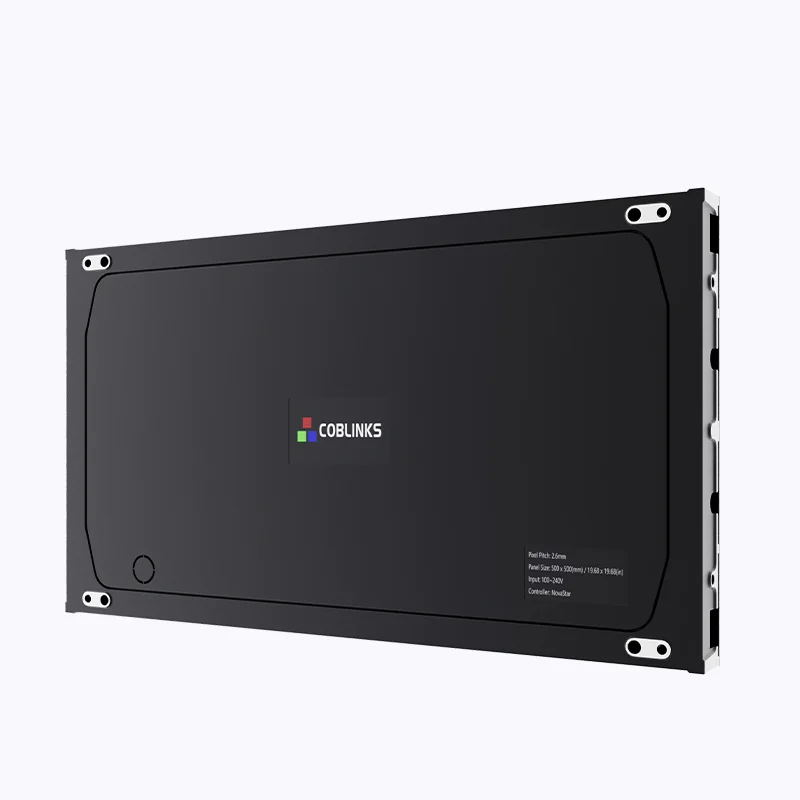
The Coblinks CM-S Series is designed for premium indoor fixed installations and uses semi-outdoor brightness levels to address strong ambient light. This makes the series suitable for environments such as brightly lit lobbies, galleries, and sunlit retail spaces where maintaining vibrant visuals can be challenging.


Precision and Slim Design Support Premium Spaces


Physical integration also affects customer perception. A display that dominates its surroundings or requires excessive installation depth can conflict with carefully designed commercial interiors. Slimmer hardware can make digital content easier to integrate into architectural environments while preserving visual prominence.


The Coblinks CM-S Series has a 41mm slim profile and offers pixel pitches from 0.9mm to 1.8mm. Its 4-in-1 technology is designed to produce a smoother, more coherent image with reduced graininess, making it particularly relevant to close-viewing applications such as boardrooms, studios, and control rooms.


Turning Digital Signage Into a Customer Touchpoint


Businesses can gain more from a small LED screen display when it is treated as part of a broader engagement strategy. Content management, placement, customer behavior, and campaign objectives should be considered together. Digital signage can support promotions, education, wayfinding, product discovery, and brand communication rather than being limited to advertising.


This also makes measurement possible. Businesses can compare customer traffic, dwell time, conversions, or campaign responses around different display locations. Current digital-signage guidance recommends defining objectives, auditing the physical site, planning content, and considering scalability before deployment.


Coblinks CM-S Series for Close-Viewing Applications


Coblinks is a technology-driven LED display manufacturer specializing in indoor and outdoor fixed-installation and rental displays, supported by complete SMT production lines and advanced manufacturing equipment. Its CM-S Series is positioned as a professional micro LED display for premium indoor fixed installations.


With 0.9mm to 1.8mm pixel pitches, a 41mm slim profile, 4-in-1 technology, and semi-outdoor brightness levels, the CM-S Series is designed for applications where visual precision and environmental integration matter. It can serve corporate lobbies, broadcast studios, command centers, galleries, and retail spaces that demand high-quality close-range visuals.


Making Every Display Space More Valuable


Small displays can make customer communication more precise because they place relevant content closer to the people who need it. A well-positioned micro LED display can support product education, promotions, brand storytelling, and service information, while a small LED screen display can transform shelves, counters, lobbies, and waiting areas into active engagement points.


Coblinks provides professional LED display solutions for businesses seeking high-quality visual communication and customized applications. Companies planning premium indoor installations can contact Coblinks to discuss the CM-S Series and select a display configuration suited to their viewing distance, ambient-light conditions, installation environment, and customer engagement objectives.

0 comment
0 FacebookTwitterPinterestEmail

A new mountain-bike shoe can feel wrong for several different reasons, and treating every problem as a simple size error often hides the real cause. Pressure at the toes may come from insufficient length or a compact toe box; numbness over the top of the foot can involve instep volume or closure tension; heel movement can reflect retention geometry; and discomfort around the pedal can be connected to cleat compatibility or foot position rather than the last itself.


Troubleshooting works best when symptoms are separated by location and then traced back to measurable dimensions or shoe structure. The starting point is therefore not a guess about whether a rider “needs one size up.” It is a comparison between foot length, foot width, toe-box volume, instep space, heel retention, and the intended pedal system.


Measure the Foot Before Blaming the Size Label

Measurement establishes whether the basic dimensions are plausible before any adjustment to closure or cleat position. A practical method for how to measure foot length places a sheet of paper against a wall, has the rider stand with the heel lightly touching the wall, marks the longest toe, and measures the distance from the wall edge to that mark.


Because left and right feet can differ, the sizing baseline can be based on the longer foot. Width is checked separately while standing by marking the widest points of the forefoot and measuring between them. Those two dimensions are more informative than an EU number alone because different models can use different lasts and internal volumes. Triathlon shoes may carry the same printed size while using a different opening, upper volume, and retention geometry.


Size Numbers Do Not Define Shoe Shape

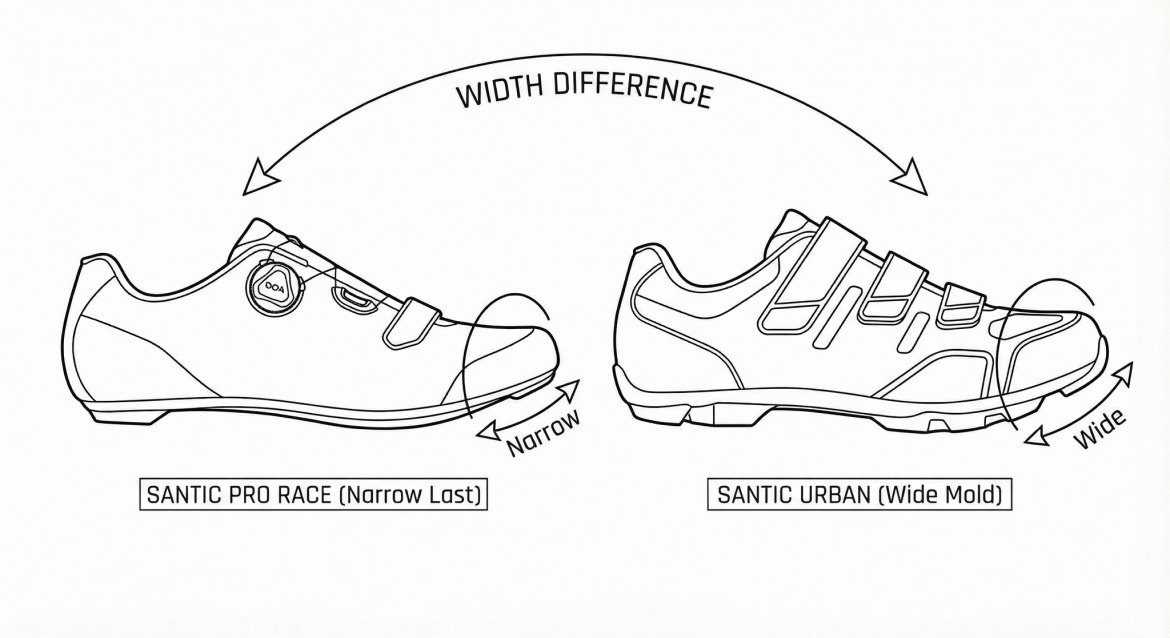
The same printed size can fit differently in an MTB model and in triathlon shoes because their entry and retention structures serve another riding context. A triathlon model may use a wide entry opening and transition-oriented closure, while a Pro Race MTB design may use a more compact last and a highly rigid sole.


Fit troubleshooting therefore begins by separating “size” from “shape.” If measured length is appropriate but the forefoot feels compressed, width or toe-box volume deserves attention. If the forefoot is comfortable but the heel lifts, the problem lies elsewhere. Symptom location points toward the part of the shoe that governs that area. The procedure for how to measure foot length confirms the longitudinal dimension before those shape differences are assessed.


Match the Symptom to Volume, Retention, and Structure

Pressure over the top of the foot points to a different variable than toe clearance. Knowing how to measure foot length remains useful, but tightness or numbness on the instep may indicate that the shoe’s upper volume or closure position is not well matched to a higher instep.


Four- and five-star instep-adjustability ratings correspond to upper volume and dial placement configured to accommodate a higher instep with fewer concentrated pressure points. Toe-box space, forefoot width, and heel containment should be considered independently, because loosening a closure to relieve one area may create movement in another.


Triathlon shoes show a different way of managing entry and retention. Santic’s NF model uses a wide opening, quick hook-and-loop entry, 3D mesh, outsole ventilation, and an EVA insole so the foot can enter quickly after the swim and still be supported during the bike leg.


An MTB shoe used over rough ground may place more emphasis on a secure heel, protective upper, and controlled forefoot position. The contrast shows that fit is not a universal sensation produced by size alone; it results from the last, upper, closure, insole, heel structure, and intended riding movement working together.


Check the Pedal Interface After Basic Fit Is Confirmed

Pedal-interface checks belong later in the diagnostic sequence. After foot length and width have been measured to establish the basic dimensional fit, new MTB footwear also has to match the chosen pedal and cleat arrangement.


Santic’s Alps model uses a full-carbon outsole with stiffness index 14, an EVA cushioned insole, TPU/microfiber/mesh upper, laser ventilation, TPU toe protection, replaceable forefoot spikes, and MTB cleat compatibility in 2- or 4-bolt formats including SPD. A highly rigid sole can make small positioning differences more noticeable because the platform itself does not deform much around the foot.


That is another reason triathlon shoes cannot be used as a direct fit reference for every MTB model. Their closure speed, upper ventilation, sole stiffness, and cleat environment can differ substantially. A rider who feels forefoot pressure only after clipping in may need to distinguish shoe volume from pedal-interface position; a rider who feels heel movement while walking may need to examine retention rather than cleat choice.


The most useful troubleshooting order is measurable fit first, localized pressure second, heel and closure behavior third, and pedal compatibility after those variables are understood. That sequence prevents one symptom from being blamed on the wrong part of the system.


Fit problems in new MTB footwear become easier to solve when they are treated as separate mechanical questions instead of one vague sizing complaint. Length and width establish the dimensional baseline, toe-box and instep volume explain many pressure patterns, heel structures and closures control internal movement, and the cleat interface adds another variable once the shoe is on the bike.


Santic’s sizing method and model differences make that hierarchy visible. A nominal size can start the process, but it cannot finish it. The final fit depends on where the foot needs room, where it needs restraint, and how securely the shoe connects that foot to the selected pedal system. A measured, symptom-by-symptom sequence also avoids unnecessary changes to a shoe that may already be correct in several other dimensions.

0 comment
0 FacebookTwitterPinterestEmail

The right electronics supplier should match the needs of the product, not just the target price. When companies compare China electronics manufacturers, they should look at engineering support, prototype capability, production scope, quality processes, communication, and flexibility. These factors can affect development time and production results long after the initial quotation has been accepted.


The selection process should also reflect the product’s current stage. A new concept may need design support and prototypes, while a tested product may need stable assembly and larger production capacity. Knowing these differences makes supplier comparisons more practical.


Define the Project Before Contacting Suppliers

A clear project brief gives manufacturers the information they need to assess a product. It can include product functions, estimated dimensions, expected quantity, target market, and development stage.


Technical documents are also useful. Depending on the project, a supplier may need schematics, PCB files, BOMs, drawings, firmware requirements, or prototype samples.


Without clear requirements, quotations from different manufacturers can be difficult to compare. One supplier may include engineering work, while another may quote production only.


What Engineering Support Is Available?

Engineering support matters when a product is still being developed. A design that works in testing may require changes before it is suitable for repeated manufacturing.

Companies should ask whether the supplier provides DFM evaluation, PCB-related engineering, structural support, or other development services. They should also understand when engineers become involved in the project.


For startups and design firms, this support can be useful when internal engineering resources are limited. It can also help established companies manage a new product without creating a separate manufacturing engineering team.


Prototype Capability Shows More Than a Sample

A prototype allows engineers to examine the actual product rather than relying only on drawings or simulations. It can reveal problems with dimensions, component placement, assembly, or product functionality.


Rapid prototyping is useful when a project needs several design revisions. Each version can provide feedback before the product moves toward larger production quantities.


When comparing suppliers, companies should ask how prototype changes are documented and how the results are transferred into production. This helps connect early development work with later manufacturing requirements.


Compare the Full Production Scope

Price comparisons become more meaningful when the scope of service is clear. A supplier may provide PCBA production only, while another may also handle enclosure manufacturing, assembly, testing, and packaging.


Companies should identify which processes are included in the quotation. Tooling, component sourcing, testing, and packaging may need separate consideration depending on the project.


A broader manufacturing scope can also reduce the number of separate suppliers involved. This may simplify communication when a product contains both electronic and mechanical components.


Does Production Flexibility Match Demand?

Production volume can change during a product’s lifecycle. A project may begin with prototypes, move to a small trial run, and increase production after market feedback.


For this reason, companies should discuss production flexibility before selecting a supplier. The manufacturer should understand the expected development path rather than only the first order.


No MOQ requirements may also be relevant to early-stage projects. Smaller quantities can give businesses more room to test a product before making larger production commitments.


How Should Quality Control Be Evaluated?

Quality control should cover the complete production process. PCB assembly, enclosure manufacturing, final assembly, and product testing can each affect the finished unit.


Companies can ask how incoming materials are checked, how assembly quality is inspected, and what testing is performed before shipment. They can also ask how production problems are recorded and addressed.


Clear quality procedures are especially important for products with several components and manufacturing stages. A supplier should be able to explain its process in terms that the customer can review and understand.


Communication Can Affect Project Results

Supplier communication is easy to overlook during the initial selection process. It becomes much more important once engineering changes or production issues appear.


Companies should identify who will handle technical questions, sample approvals, production updates, and quality discussions. A clear communication process can reduce delays when specifications change.


Document control also matters. BOM revisions, drawings, firmware versions, and test requirements should be tracked carefully so that different teams are working from the same information.


A Practical Example of Supplier Scope

A company that needs development and manufacturing under one workflow may look for a supplier with capabilities across several stages. Minewing is based in Shenzhen, China, and has more than 20 years of experience in electronics manufacturing. They support startups and global brands from initial prototyping to mass production.


Their stated services include PCB design, PCBA production, enclosure design and manufacturing, assembly, testing, and packaging. They also offer OEM, ODM, and JDM cooperation models. This combination can be relevant to businesses that need both product development and manufacturing support.


The company also states that its services have no MOQ requirements. For early-stage projects, this can provide another option when production quantities are still being evaluated.


Which Cooperation Model Fits?

The cooperation model should reflect how much development work the customer needs. OEM can be suitable when the customer already has a defined product design and needs manufacturing support.


ODM may be considered when a company needs more assistance with product development. JDM provides another model for projects where the customer and manufacturer share development responsibilities.


Before choosing a model, companies should clarify ownership of designs, engineering responsibilities, revision procedures, production requirements, and communication channels.


Questions to Ask Before Production

A supplier evaluation should end with specific questions rather than a general impression. Companies can ask about prototype lead times, DFM reviews, production capacity, testing, sourcing, quality control, and packaging.


They should also confirm which manufacturing processes are performed internally and which involve outside suppliers. This gives the project team a clearer understanding of the production chain.


For businesses comparing a China electronics manufacturers supplier, these details can provide a stronger basis for evaluation than price alone.


When Should a Supplier Be Reconsidered?

Supplier evaluation does not necessarily end after the first production order. A project may change significantly as quantities increase or new product versions are developed.


A company may need to reassess the supplier if production requirements change, new components are introduced, or additional engineering support becomes necessary. Quality performance and communication should also remain part of the review.


This is particularly relevant for products that are expected to develop over several production cycles. A supplier that fits an early prototype project may have different capabilities from those required for later production.


Choosing Based on Product Fit

Selecting an electronics manufacturer in China is a comparison of capabilities, responsibilities, and project requirements. The quoted unit price is only one part of that assessment.


Minewing provides OEM, ODM, and JDM services alongside product development and manufacturing support. They describe their workflow as covering the path from prototyping to mass production, which may suit businesses looking for connected development and manufacturing services.


For companies researching China electronics manufacturers, a useful final step is to compare suppliers against the same checklist: engineering support, prototype capability, production scope, quality control, communication, flexibility, and commercial terms. A supplier that fits the actual product requirements can make the path from design to production easier to manage.


0 comment
0 FacebookTwitterPinterestEmail

Initial low-cost quotes from overseas hardware vendors frequently mask severe financial liabilities that emerge only after shipping containers arrive at distribution hubs. Procurement teams often celebrate massive upfront savings without realizing that international logistics introduces complex pricing layers.


Unforeseen expenditures quickly erode initial budget margins, turning a seemingly economical transaction into an expensive operational burden for growing businesses.


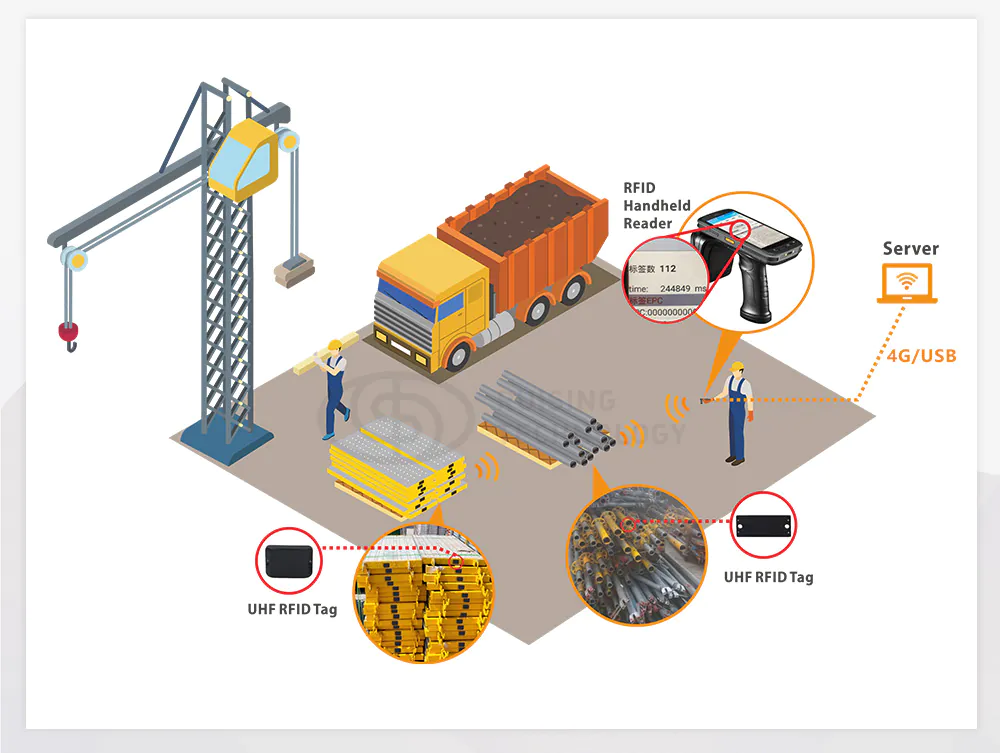
Calculations based solely on factory piece-rates fail to account for the true financial ecosystem governing international hardware procurement. Supply chain directors must evaluate every auxiliary expense before deciding to buy UHF RFID tags in bulk from distant manufacturing partners. Failing to uncover these hidden operational liabilities exposes corporate balance sheets to recurring financial shocks and unbudgeted cash outflows.


Sifting Through International Shipping Surcharges and Freight Volatility


Ocean freight rates fluctuate wildly based on fuel adjustments, geopolitical tensions, and seasonal port congestion patterns. Cargo carriers routinely impose unexpected terminal handling fees and emergency bunker surcharges upon arrival at destination ports. These shifting transport costs alter baseline budgets drastically before shipments ever clear customs inspection zones, leaving logistics managers facing severe financial deficits.


Dimensional weight calculations often penalize lightweight hardware shipments packed in oversized protective cartons. Freight forwarders bill based on volumetric space rather than actual gross mass, doubling expected shipping overhead unexpectedly. Managing these variables requires rigorous packing optimization that distant vendors rarely coordinate effectively for international clients.


Transit insurance premiums increase substantially when moving high-value tech inventory across international maritime routes. Unforeseen cargo damage claims involve lengthy investigation procedures that leave businesses without inventory or financial recourse for months. Sourcing partners must guarantee comprehensive transit coverage to protect capital investments during international shipping cycles.


Unbudgeted Tariffs, Customs Brokerage, and Compliance Fees


Import duties change abruptly following trade policy revisions or localized tariff adjustments imposed by regulatory agencies. Customs brokers charge substantial processing fees to clear shipments containing specialized radio frequency technology. Delays at border checkpoints accumulate costly daily storage penalties in port-adjacent warehouses while shipments await physical inspection.


Regulatory certification discrepancies can halt entire container loads indefinitely if documentation lacks required regional compliance markers. Securing local radio frequency approvals retroactively involves expensive third-party testing fees and prolonged operational downtime. Global suppliers sometimes ship uncertified hardware variants, leaving buyers legally and financially exposed.


Navigating complex tax compliance requirements across multiple international jurisdictions adds administrative overhead to every transaction. Bureaucratic red tape often delays port release dates, stalling downstream manufacturing and distribution schedules. Financial planners must budget for unexpected customs penalties to avoid severe cash flow interruptions.


Managing High Defect Rates and Quality Control Failures Abroad


Mass production facilities operating overseas sometimes compromise component soldering standards to hit aggressive price targets. Defective microchips or fractured internal antenna traces often go unnoticed until thousands of units enter active deployment. Scrapping faulty UHF RFID tags destroys profit margins instantly and halts active warehouse operations.


Returning defective inventory across international borders involves prohibitive return shipping costs and protracted customs clearance disputes. Foreign vendors frequently dispute failure claims, demanding exhaustive physical sample testing before issuing credit notes. Organizations absorb these losses directly when supplier warranty agreements lack enforceable legal protections.


Procurement teams can reduce project risk by working with suppliers that provide application testing, product customization, and technical support. RSTC offers these services for RFID projects.


The Financial Impact of Communication Incompatibilities and Middleware


Protocol variances between foreign hardware firmware and existing enterprise software architectures generate unexpected integration expenses. Custom middleware development becomes necessary when imported transponders utilize proprietary data formatting rules. Software engineers spend weeks writing translation scripts to bridge communication gaps between disparate systems without causing enterprise server crashes.


Incompatible operating frequencies or mismatched memory layouts render entire bulk orders completely useless within legacy warehouse management platforms. Remedying software misalignment demands costly external consulting hours that negate initial hardware purchase discounts. Enterprises must verify protocol harmonization thoroughly prior to committing capital expenditure.


Language barriers and time zone differences complicate technical troubleshooting when firmware bugs emerge during initial integration phases. Delayed communication loops extend software development cycles, pushing project deadlines back by several months. Such administrative friction silently drains valuable engineering resources from core business initiatives while increasing overall project risk profiles.


Total Landed Cost Analysis Versus Upfront Unit Savings


Comprehensive financial evaluations must encompass every operational variable from factory floor to final warehouse installation. Factoring in hidden transport surcharges, customs friction, defect allowances, and software adjustments reveals true acquisition costs. Organizations that choose to buy UHF RFID tags in bulk through verified channels avoid unexpected capital drain and maintain steady profitability.


Initial piece-rate quotes represent only a fraction of total lifecycle expenditures for international logistics projects. Industry leaders such as RSTC provide transparent pricing models that eliminate unexpected post-purchase financial liabilities completely. Detailed landed cost breakdowns allow corporate financial officers to allocate capital accurately without fearing sudden budget overruns.


Deploying high-performance UHF RFID tags through trusted manufacturing channels ensures long-term economic stability for enterprise supply chains. Strategic procurement oversight transforms international technology acquisition from a speculative gamble into a predictable operational asset. Organizations prioritizing complete visibility avoid the trap of illusory unit savings and protect their core profitability.


Working with an experienced RFID supplier can make technical requirements, testing, and project communication easier to define before procurement. Diligent oversight during supplier selection secures lasting operational efficiency and financial predictability.


0 comment
1 FacebookTwitterPinterestEmail

The global transition toward decentralized renewable energy sources, microgrids, and smart residential architecture has fundamentally changed how electrical power is generated, distributed, and consumed. As solar photovoltaic arrays and wind turbines become ubiquitous fixtures across commercial, industrial, and residential landscapes, the intermittent nature of renewable generation introduces a pressing engineering challenge: electrical power must be utilized precisely when it is generated unless an efficient storage medium is deployed to manage supply variability.


Consequently, the strategic implementation of electrochemical energy storage has evolved from a secondary option into a foundational pillar of modern grid infrastructure.


To bridge the operational gap between fluctuating generation cycles and constant consumer demand, energy storage systems have emerged as indispensable infrastructure. At the heart of these modern installations lies the energy storage system unit, a critical asset that directly dictates system efficiency, operational safety, and long-term economic return.


Understanding how these advanced storage setups function and evaluating the electrochemical technologies driving them forward enables property developers, industrial facility directors, and power system integrators to build resilient grid architectures.


Defining the Core Concept: What Is an ESS Battery?


An energy‑storage system is a sophisticated engineered electrochemical assembly. It captures electricity from renewable generators or the main power grid and discharges stored energy during periods of peak demand. Unlike traditional lead-acid starter batteries designed for brief, high-amperage engine ignition bursts, an ess battery is engineered specifically for sustained deep-cycle performance. This deep-cycle resilience ensures that the system can undergo daily charge and discharge routines over multi-year operational lifetimes without suffering rapid active material degradation.


In residential environments, these units absorb surplus solar energy generated during midday hours, making it available during peak evening periods or during grid disruptions. In commercial and industrial facilities, energy storage systems perform essential grid services, including peak shaving, load balancing, frequency response, and emergency backup power to prevent disruption to sensitive equipment. Because these storage units are frequently deployed in varied outdoor climates and unconditioned equipment shelters, their internal electrochemical chemistry must balance energy density, thermal stability, and mechanical durability.


How an Energy Storage System Operates in Real-World Scenarios


The operational workflow of a modern energy storage system relies on a synchronized interplay between primary power sources, power conversion equipment, and electrochemical cell arrays. A typical energy management cycle follows a structured operational path:


  1. Energy Capture and Power Conditioning: Electricity generated by photovoltaic panels or wind turbines is produced as direct current (DC) or variable alternating current (AC). High-efficiency power conversion systems convert and regulate this incoming power to match the precise charging parameters required by the electrochemical array.


  1. Controlled Charging Phase: During periods of excess power generation or low grid energy tariffs, surplus electricity flows into the storage array. Inside each cell, electrical potential drives ionic migration between the cathode and anode, converting electrical energy into stable chemical potential.


  1. Continuous Monitoring and Balance: Throughout the storage phase, an integrated Battery Management System (BMS) continuously monitors cell voltage, internal temperature, and state-of-charge. The BMS actively manages cell balancing and enforces protective parameters to mitigate risks related to overcharging, deep discharge, or thermal stress.


  1. Targeted Discharging Phase: When consumer load exceeds real-time power generation or a grid outage occurs, the system reverses direction. Chemical energy stored within the cells reconverts into direct current, which passes through a bidirectional inverter to deliver stable alternating current to connected electrical loads.


The Technological Evolution: Sodium-Ion Solutions in Energy Storage


As global demand for large-scale energy storage expands, engineers are re-evaluating baseline electrochemical technologies to overcome the physical and supply constraints associated with legacy lithium-ion and lead-acid configurations. While conventional lithium-ion batteries have dominated energy storage deployments, raw material supply chain fluctuations and thermal runaway vulnerabilities under extreme operating conditions have motivated the market to seek robust alternatives.


Sodium-ion chemistry has emerged as a highly viable technological pathway for modern energy storage applications. By utilizing abundant sodium ions as charge carriers within robust poly-anionic crystal frameworks—such as sodium vanadium phosphate—sodium-ion systems offer meaningful operational benefits:


Broad Operating Temperature Envelope: Sodium-ion chemistries exhibit low interfacial impedance and stable thermal characteristics across a broad operating temperature window from -30°C to 80°C. This resilience helps curb thermal degradation and reduces reliance on energy‑intensive climate control systems for outdoor deployments.


Exceptional Deep-Cycle Longevity: Designed for intensive daily duty cycles, sodium-ion storage cells display minimal capacity decay across thousands of charge-discharge cycles, supporting extended service intervals in remote off-grid setups and utility microgrids.


Enhanced Environmental Sustainability: Relying on earth-abundant sodium elements rather than constrained mineral resources simplifies manufacturing supply chains and lowers environmental impact throughout the product lifecycle.


Engineering and Manufacturing Excellence from Aeson Power


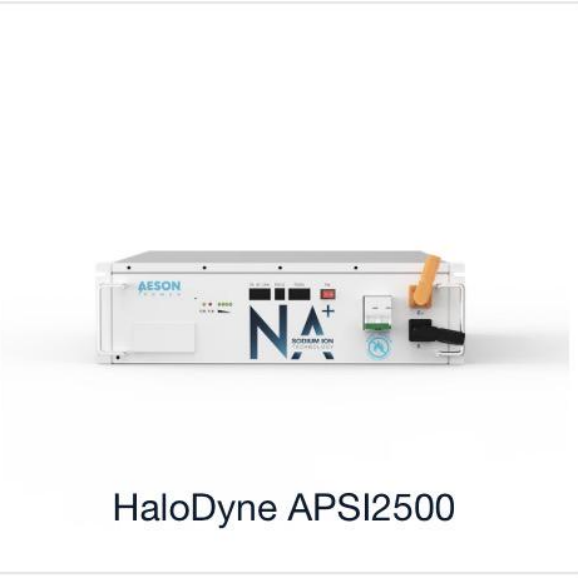
Successfully deploying advanced sodium-ion chemistry into commercial and residential energy storage systems requires rigorous engineering standards, automated production controls, and comprehensive quality assurance protocols. Aeson Power is an Australian pioneer in next-generation sodium-ion battery technology, developing scalable energy storage solutions tailored for global residential, commercial, and industrial markets.


Supported by 7 specialized manufacturing centers, 90 automated production lines, and an annual production capacity reaching 30 GWh, the company operates under international quality frameworks certified to IATF16949, ISO9001, UL, and CE. Their comprehensive energy storage portfolio spans custom starting batteries, uninterruptible power supply (UPS) modules, AGM configurations, and high-capacity ESS storage packs designed to deliver reliable power distribution in demanding global environments.


To learn how advanced sodium-ion energy storage systems can enhance grid stability and optimize your renewable energy infrastructure, contact Aeson Power today.


0 comment
0 FacebookTwitterPinterestEmail

Picture a facilities director at a retail chain who has just been told to add charging to forty locations before next year’s budget cycle closes. The obvious question sounds like “is this worth it,” but that framing hides the more useful one: worth it compared to what, and measured over what timeframe.


A single wallbox EV charger is cheap enough that almost any site can justify one purchase order without much debate. A network of them, installed, wired into a management platform and kept running across dozens of properties for years, is a different kind of decision entirely, and it is the one enterprise buyers actually need to answer before the budget gets locked in.


Suppliers such as INFORE ENVIRO have shaped their commercial AC lineup around that exact multi-site reality rather than around a single showroom unit.


The Hardware Cost Is Rarely the Real Number


Procurement teams often anchor on the unit price of a wallbox and treat everything else as a rounding error. In a multi-site rollout, that assumption tends to reverse itself. Electrician labor, site surveys, and the ongoing cost of keeping dozens of units online usually outweigh what any single charger costs on paper.


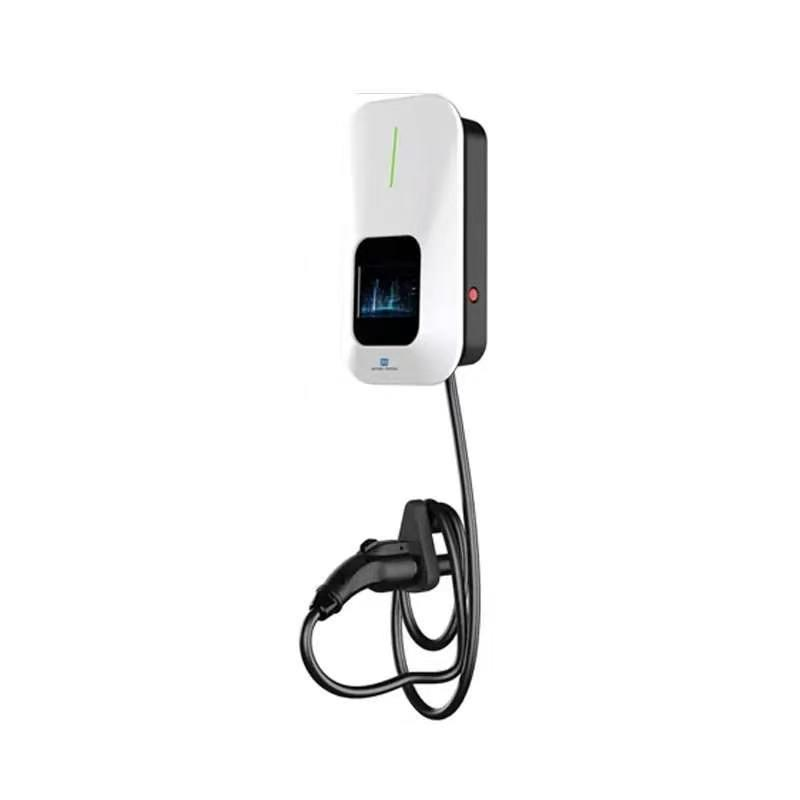
A compact, lightweight unit changes that math meaningfully: INFORE ENVIRO’s Vega series wallbox weighs under 5kg and measures 205mm by 355mm by 115mm, small enough that a two-person crew can mount and commission it without specialized lifting equipment or a custom enclosure at each site.


Multiplied across forty locations, that difference shows up directly in the installation invoice rather than in a spec sheet nobody reads twice.


What Turns a Charger EV Wallbox Into a Manageable Network


A single charger is easy to operate. Forty of them, spread across different cities, are not, unless the hardware was built to be managed as a fleet rather than as forty separate appliances. That is the real test for a charger EV wallbox program at enterprise scale, and it comes down to a few concrete capabilities rather than a general promise of “smart” charging.


The requirements also shift depending on the site type: a corporate campus mostly needs predictable overnight charging for a known set of employee vehicles, while a retail chain has to handle unpredictable visitor traffic across locations with very different existing electrical capacity.


A network built around one rigid configuration tends to underperform at one type of site or the other. The Vega series runs on OCPP 1.6J with WS/WSS connectivity, so units are designed to report into the same backend platform regardless of which site it sits at, and OCPP 2.0 support is available for buyers standardizing on the newer protocol.


Networking options span 4G, Wi-Fi, Bluetooth and Ethernet, which matters when properties differ in what connectivity they already have on site. Dynamic load balancing, PEN protection and AC PLC support round out the extended feature set, letting a facilities team push firmware updates and diagnose faults remotely instead of dispatching a technician for every alert.


Durability Decisions That Only Show Up Later


None of that networking matters if the hardware fails outdoors within a short timeframe. The Vega series carries an IP55 rating for water and dust resistance, along with overcurrent, short-circuit, leakage and overvoltage protection built into the unit, and INFORE ENVIRO backs it with a two-year warranty plus 7×24 after-sales support.


On the compliance side, the charger meets China’s GB/T and 3C standards and holds CE, CB and RoHS certification, relevant for enterprises operating across multiple regulatory environments rather than a single domestic market.


These factors become more important over time as equipment accumulates operating hours and environmental exposure.


Supplying Forty Sites Without Forty Different Delays


A network rollout also runs into a problem that a single-site purchase never faces: keeping every location on a comparable timeline. Staggered deliveries mean some sites go live months after others, which complicates budgeting, staff training and any marketing tied to the launch.


INFORE ENVIRO manufactures from a 12,000-square-meter factory and typically quotes 30 to 45 days lead time, drawing on roughly a decade of production experience in the charging equipment sector.


For a buyer sequencing dozens of installations, a predictable lead time is often worth more than a marginally cheaper unit that ships on an uncertain schedule, since a delayed batch can stall a wider regional rollout waiting on the last few units to arrive.


Where the Payback Actually Comes From


The honest answer to whether a wallbox network is worth the investment largely comes down to what the enterprise is comparing it against. Compared with doing nothing, the case is pretty clear wherever employee or customer demand for charging already exists, since the alternative is leaving that demand unmet.


Against a patchwork of mismatched chargers bought site by site over several years, a standardized network usually wins on maintenance cost alone, since one spare-parts inventory and one management dashboard can replace several incompatible ones scattered across regions.


INFORE ENVIRO‘s OEM and ODM options also let a buyer lock in a consistent unit across every site rather than reordering whatever happens to be available two years into a rollout, which can matter if the original model gets discontinued mid-program.


The harder case is a single site with uncertain future demand, where a smaller pilot deployment makes more sense than committing to a full network upfront and re-evaluating once real usage data comes in.


For everything past that scale, standardizing early on a wallbox EV charger platform built for remote management tends to cost less over five years than solving the same installation, monitoring and maintenance problem forty separate times.

0 comment
0 FacebookTwitterPinterestEmail

Wildlife conservation increasingly depends on timely information from large, remote, and difficult-to-access areas. Forests, wetlands, reservoirs, mountains, and protected zones can be challenging to inspect through ground patrols alone. Drones offer a flexible way to collect aerial imagery, but effective wildlife monitoring requires more than simply capturing photos. Conservation personnel also need fast mapping, reliable positioning, and efficient ways to identify and review objects in surveyed areas.

For conservation organizations and environmental management teams, the value of wildlife monitoring drones therefore depends on how efficiently aerial data can be converted into usable information. A system that combines aerial mapping, onboard recognition, and positioning can reduce the delay between data collection and operational decisions.


How Drone Object Detection Supports Wildlife Monitoring

Wildlife surveys often cover large areas where manual observation is time-consuming. A UAV can provide a broader view of terrain while reducing the need for personnel to enter difficult locations. However, the resulting imagery still needs to be reviewed to identify relevant objects or conditions.

Drone object detection can help organize this process by automatically identifying predefined target categories within aerial imagery. The approach can be useful for environmental inspection, where teams may need to locate people, vehicles, hazard points, or other detectable objects associated with conservation activities and site management.

The effectiveness of detection depends on the system’s recognition capabilities, positioning accuracy, image quality, and processing speed. For operational use, rapid access to results can be particularly valuable because teams may need to decide where to inspect next while the mission is still underway.

Why Real-Time Mapping Matters in Conservation Operations

Mapping provides the spatial context needed to interpret aerial observations. Instead of viewing individual images separately, conservation teams can use an orthomosaic to understand where detected objects are located within the wider landscape.

This becomes especially useful in remote areas where conditions can change quickly. A real-time mapping workflow can provide updated terrain information during flight rather than requiring the team to wait for conventional post-flight processing.

Hunter Wing from Icecypress Technology is a man-portable UAV mapping and recognition system designed around this type of operational workflow. According to official product documentation, it delivers real-time orthomosaic mapping, airborne target recognition and high-precision positioning. This lightweight add-on unit connects directly to standard UAV remote controllers.

For conservation teams operating in mountains, reservoirs, or other difficult terrain, portability can be an important consideration. The additional computing module and power supply weigh under 600 g, while the system uses a three-step deployment process: power on, connect, and set the flight route.

Real-Time Object Tracking for Field Observation

Positioning is another important part of aerial conservation work. Identifying an object is less useful if operators cannot determine its location accurately enough for subsequent inspection or verification.

Hunter Wing supports real-time target coordinate capture and overlays position information with orthomosaic imagery. Its documented positioning accuracy is at the sub-meter level, allowing detected targets to be associated with spatial coordinates for inspection and verification. The system also streams imagery, recognition results, and location data to the ground station during operation.

This capability can support teams that need to review observations while a UAV is operating. Rather than waiting for all data to be processed after landing, operators can see recognition and positioning results during the mission. The product page specifies a recognition response time of no more than 0.5 seconds and describes automated aggregation of target quantity, type, and confidence information.

The distinction is important for buyers evaluating real-time object tracking. In this system, tracking is associated with mapping, recognition, and target positioning rather than specialized high-speed motion analysis. This makes it more relevant to spatial observation and on-site inspection workflows.

Portable UAV Technology for Environmental Inspection

Wildlife conservation can involve long patrol routes and areas that cannot be reached easily by vehicles. A portable UAV system can give small teams greater flexibility when operating in such environments.

Hunter Wing is specified for continuous operation of up to four hours when paired with its 24 V, 2000 mAh mobile power source. Its intelligent computing module consumes less than 25 W. These specifications are relevant when teams need to conduct extended patrols, surveys, or monitoring activities without carrying large amounts of additional equipment.

The product is also positioned for environmental inspections alongside emergency response, public safety, and security patrols. Its onboard processing approach allows mapping, recognition, and positioning to take place during flight, while mission results can later be uploaded to a cloud center or exported for downstream analysis, archiving, and reporting.

For conservation organizations, this creates a practical workflow: collect aerial information, identify relevant targets, associate observations with coordinates, and retain the resulting data for later review. It can complement rather than fully replace established ecological survey methods.

Choosing Wildlife Monitoring Drones for Field Operations

When evaluating wildlife monitoring drones, buyers should look beyond camera specifications. Key considerations include operating weight, deployment requirements, recognition speed, positioning accuracy, endurance, data transmission, and compatibility with existing UAV hardware.

The processing architecture also deserves attention. With onboard computation, teams can receive mapping and recognition results closer to the point of collection. This can reduce dependence on post-flight processing when immediate situational awareness is required.

For organizations considering drone object detection, the most useful approach is to define the actual monitoring workflow first. Requirements may include environmental inspection, difficult-terrain patrols, target location, rapid mapping, or operational reporting. A system should then be assessed according to how well its documented capabilities fit those requirements.

For conservation and environmental teams, real time object tracking can add value when target observations need to be connected with geographic information during a mission. Together, lightweight deployment, real-time mapping, positioning, and onboard recognition support practical UAV-based environmental observation.

0 comment
0 FacebookTwitterPinterestEmail

An outdoor living room can turn a basic campsite, backyard, or recreational property into a more comfortable gathering space. With the right shelter, seating, lighting, storage, and layout, an outdoor area can support dining, conversation, relaxation, and longer stays while maintaining a connection with nature. Thoughtful equipment selection is the key to making the space practical rather than simply decorative.


Start With the Right Outdoor Shelter

The shelter is the foundation of an outdoor living room because it defines the usable area and provides protection from changing weather. Depending on the location, users may choose a large camping tent, a spacious family shelter, or another temporary outdoor structure that provides enough room for furniture and movement.

Size should be determined by the intended number of users and activities. A space designed for four people relaxing around a table has different requirements from one intended for larger family gatherings. Sufficient headroom and floor space can make the area easier to furnish while preventing the interior from becoming crowded.

When consumers buy tents online, they should compare dimensions, materials, ventilation, setup requirements, and intended applications rather than choosing primarily according to appearance. A suitable shelter should work with the site’s environment and the planned furniture arrangement.


Define Functional Zones

An outdoor living room works best when different activities have clearly defined areas. Instead of placing every item randomly inside the shelter, users can divide the available space into zones for seating, dining, storage, and movement.

A central table can become the focus of social activities, while chairs or low seating can be arranged around it. A separate corner can hold bags, blankets, cookware, or other frequently used items. Keeping these functions visually and physically organized makes the space easier to use.

Circulation should also be considered. There should be enough room for people to move between the entrance, seating areas, and storage without constantly shifting furniture.


Choose Comfortable and Practical Seating

Seating has a direct influence on whether an outdoor living room feels inviting. Folding chairs are useful for portability, while lightweight benches or camping stools can provide additional flexibility. Cushions and outdoor textiles can also improve comfort when conditions permit.

Furniture should match the shelter’s dimensions. Oversized pieces may reduce usable floor space, while too many small chairs can make the area feel cluttered. Buyers should also consider how furniture will be transported and stored between trips.

For temporary installations, lightweight and foldable options are generally easier to manage. The objective is to create a comfortable environment without making the entire camping setup difficult to transport.


Use Lighting to Extend Usable Hours

Lighting can transform an outdoor living area once daylight begins to fade. Rather than relying on a single bright source, several low-intensity lights can create a more balanced environment.

Hanging lights can illuminate a central table, while small lamps can mark storage areas or entrances. Battery-powered or rechargeable systems are convenient for mobile camping because they reduce dependence on fixed electrical infrastructure.

Lighting placement should also account for safety. Cables should not cross major walking paths, and equipment should be protected according to its intended outdoor use. A carefully planned lighting arrangement can improve both functionality and atmosphere.


Build a More Organized Storage System

Storage is often overlooked when creating an outdoor living room. Without designated spaces for personal belongings and camping supplies, even a large shelter can quickly become crowded.

Storage boxes, organizers, and hanging solutions can help keep frequently used items accessible. Heavier equipment can remain near the ground, while lighter accessories can be placed in upper storage areas where appropriate.

The broader category of outdoor camping equipment should therefore be considered as a coordinated system. Shelters, seating, lighting, cooking accessories, and storage products all contribute to how efficiently an outdoor living space functions.

A consistent storage layout also makes setup and breakdown easier because users know where each item belongs.


Improve Comfort Through Ventilation

Comfort depends not only on furniture but also on the indoor environment. Several people sharing one shelter can quickly increase heat and humidity, especially during warm weather.

Ventilation openings and windows can help maintain airflow while reducing condensation. Furniture should be positioned so that it does not block important ventilation areas.

During cooler conditions, users may want to reduce unnecessary drafts while still maintaining appropriate airflow. The right balance depends on the shelter, weather, number of occupants, and activity taking place inside.

Good ventilation also contributes to a more pleasant environment when the living room is used for several hours at a time.


Preparing for Weather Changes

Outdoor living spaces need to remain functional when conditions change. Rain may require additional protection for furniture and equipment, while wind can affect shelter stability and loose outdoor items.

Before setting up, users should evaluate drainage, ground conditions, and potential wind exposure. Furniture should be placed so it does not interfere with entrances, anchor points, or emergency movement.

Weather-resistant covers can help protect cushions and other items between uses. When severe weather is expected, equipment should be secured or stored rather than relying on the shelter alone.


Creating a Flexible Space for Different Activities

An effective outdoor living room should be adapted to different occasions. During the day, it may serve as a dining area, while in the evening it can become a place for conversation, reading, or relaxation.

Modular furniture makes these transitions easier. Folding tables can be moved aside, while stackable chairs can create additional open space when needed. A flexible layout is particularly useful for families and groups with changing schedules.

THECATAL focuses on outdoor equipment and practical outdoor use, providing a useful reference for thinking about how shelter and equipment can work together as an adaptable recreational environment.


Maintain Space for Long-Term Use

Regular maintenance helps keep an outdoor living room comfortable and ready for the next use. Tents should be cleaned and dried properly, while furniture, lighting equipment, zippers, seams, poles, and connection points should be inspected periodically.

Storage conditions also matter. Fabric and cushions should not remain damp for extended periods, and electronic equipment should be stored according to manufacturers’ recommendations.

A simple maintenance routine reduces the likelihood that small issues will interrupt future trips or outdoor gatherings.


Designing a More Functional Outdoor Living Room

Creating an outdoor living room is ultimately about combining shelter, comfort, organization, and flexibility. A suitable structure provides the foundation, while seating, lighting, storage, ventilation, and thoughtful layout turn the space into an area people can genuinely use. By selecting equipment based on real activities and site conditions, campers can create an outdoor environment that feels organized and welcoming. THECATAL exemplifies how functional outdoor products can build comfortable, flexible living areas that go well beyond standard campsite setups.

0 comment
0 FacebookTwitterPinterestEmail

When a 3D printed part needs more than appearance, material selection becomes an important part of the printing process. ABS 3D filament is widely used for functional components because it combines mechanical strength, impact resistance, and good thermal performance. Compared with materials such as PLA, ABS is better suited to applications where printed parts may experience higher temperatures, repeated use, or mechanical stress.


However, ABS also requires more attention to printing conditions. Understanding its properties, recommended settings, and practical limitations can help users achieve more consistent results. WonderMaker 3D offers ABS filament designed for applications that require strength, heat resistance, and dimensional stability.


What Makes ABS 3D Filament Suitable for Functional Parts?


ABS, or acrylonitrile butadiene styrene, is a thermoplastic known for its combination of rigidity and toughness. The material can withstand impacts better than many standard rigid filaments, making it suitable for components that may be dropped, handled frequently, or exposed to mechanical stress.


For this reason, ABS is commonly considered for automotive components, electronic housings, mechanical parts, brackets, enclosures, and functional prototypes. These applications often require a balance between strength and durability rather than simply prioritizing print appearance.


Another advantage is its relatively good post processing capability. ABS parts can be sanded and, under appropriate conditions, chemically smoothed with acetone. This gives users additional options when a cleaner surface is required.


How Does ABS Perform Under Heat?


Heat resistance is one of the main reasons users choose ABS over PLA. Depending on the formulation and testing method, ABS can maintain useful mechanical performance at temperatures substantially higher than those tolerated by common PLA grades.


This makes ABS 3D filament suitable for parts exposed to warm environments, such as certain automotive components, electronic housings, and equipment located near heat sources. However, heat resistance should not be interpreted as unlimited temperature resistance. Actual performance depends on the specific filament formulation, printed part design, infill, layer orientation, and operating conditions.


WonderMaker 3D positions its ABS filament for high temperature applications and functional components that require thermal stability.


What Are the Main ABS Printing Challenges?


The biggest concern for many users is printability. ABS contracts as it cools, which can create internal stress and lead to warping, lifting corners, or dimensional changes. Long parts and large flat surfaces can be particularly sensitive to uneven cooling.


An enclosed printer can help maintain a more stable printing environment and reduce temperature differences around the model. A heated build plate and appropriate bed adhesion are also important. WonderMaker 3D recommends printing its ABS filament with an enclosure and provides a nozzle temperature range of 230 to 270°C and a bed temperature range of 80 to 110°C.


These values should be treated as starting points rather than universal settings. Printer hardware, nozzle type, model geometry, layer height, and ambient conditions can all affect the ideal temperature.


How Can You Improve ABS Print Quality?


Successful ABS printing starts with environmental control. Keep the printer away from strong drafts and sudden temperature changes. An enclosure is particularly useful for larger models because it helps maintain more consistent conditions throughout the print.


Bed adhesion should also be checked before starting a long print. If the first layer does not adhere properly, warping can quickly compromise the entire model. Users should also calibrate extrusion temperature and flow according to their printer and filament combination.


WonderMaker 3D recommends a printing speed of 50 to 150 mm/s for its ABS filament, although the appropriate speed can vary according to the printer and model.


Filament storage is another practical consideration. ABS has relatively low moisture sensitivity compared with some engineering materials, but keeping filament sealed with desiccant can still help maintain consistent printing quality over time.


ABS vs. PLA: Which Material Should You Choose?


The choice between ABS and PLA depends primarily on the intended use of the finished part. PLA is generally easier to print and works well for decorative models, prototypes, and everyday projects that do not face significant heat or impact.


ABS is more appropriate when the printed component needs greater heat resistance and impact durability. Its higher printing requirements make it less convenient for some beginners, but those additional steps can be worthwhile for functional applications.


ABS is also not an ideal choice for prolonged outdoor exposure because it has limited UV resistance. For applications involving continuous sunlight and weather exposure, materials such as ASA may be more appropriate.


Why Consider WonderMaker 3D ABS Filament?


WonderMaker 3D ABS filament is designed around the practical requirements of functional 3D printing. Its material specifications focus on high temperature resistance, strength, impact resistance, and stable printing. The manufacturer also provides defined temperature and speed ranges, helping users establish a practical starting point for calibration.


For users printing mechanical components, electronic housings, automotive parts, or other functional models, choosing a filament with clearly defined printing parameters can make material selection and setup more straightforward.


ABS 3D filament remains a practical option when printed parts need a combination of strength, impact resistance, and heat resistance. While it requires greater control over the printing environment than PLA, proper enclosure, bed adhesion, temperature calibration, and storage can significantly improve results. By selecting a suitable material and matching the printing settings to the specific printer and application, users can produce durable parts that are better suited to demanding everyday conditions. WonderMaker 3D ABS filament provides a practical material option for projects where performance and reliability matter as much as print appearance.


0 comment
0 FacebookTwitterPinterestEmail

Patio door handles occupy a dual role within architectural design that frequently goes unrecognized. They serve as a primary aesthetic touchpoint, defining the interior visual experience, while simultaneously functioning as a vital mechanical actuator. This mechanism must generate sufficient torque to lift, compress, and lock panels with weights ranging from 80 kg in light residential setups to over 400 kg in commercial lift-and-slide configurations. Specifying a handle based solely on visual appeal overlooks the underlying physics: heavier panels inherently require greater input force to achieve reliable seal compression and lock engagement.

CMECH engineers its portfolio of patio door handles to address this specific load spectrum. Their systems range from the streamlined Metro integrated lock-handle unit—developed for slim-profile doors and screen sashes—to the Milan turn handle, machined from high-strength aluminum alloy for substantial panels 37 mm thick and above. By calibrating each handle family to designated torque requirements, cycle frequencies, and security ratings, the manufacturer provides targeted sliding door hardware solutions for varied structural demands.


Why Door Weight Is the First Variable in Handle Selection

The relationship between panel mass and operational force dictates hardware performance. Every additional kilogram of glass and frame weight increases the resting friction at the roller-track interface and amplifies the compression resistance of the perimeter gasket. Consequently, patio door handles must deliver incrementally higher torque through the internal spindle and gearbox to secure full lock engagement on heavier doors.

When sliding door hardware solution is underspecified for a given panel weight, occupants frequently compensate by applying excessive manual force. This overcompensation can overload the spindle bore, strip drive-gear teeth, or permanently deform the handle body. Such a mechanical failure cascade typically presents initially as a sensation of stiffness, which is often misattributed to the door rollers rather than the handle linkage, delaying necessary corrective action until the internal gearbox sustains irreversible damage.

Integrated Lock-Handle Systems: Form and Function in One Module

Traditional patio door hardware configurations routinely separate the handle, the lock cylinder, and the drive gearbox into distinct components mounted along different positions on the sash. This separation can create mechanical tolerance stacks, add visual clutter to the frame, and introduce snag hazards where standard lock mechanisms protrude into the pedestrian passage zone.

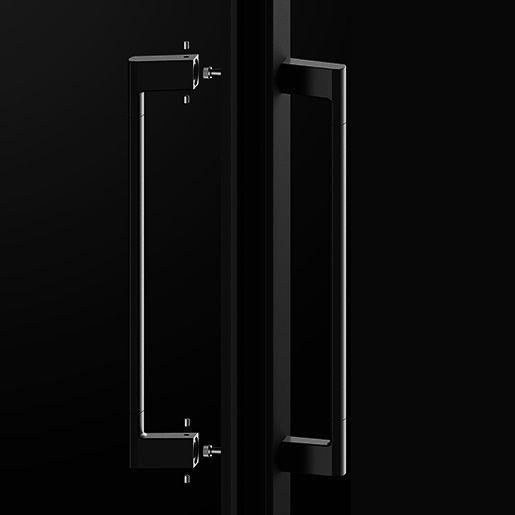
CMECH addresses these architectural constraints with the Red Dot Award-winning Metro Series handle, which incorporates the handle, lock, and drive into a single 30 mm ultra-slim unit. Featuring a linear ball-bearing mechanism tested beyond 100,000 cycles, this consolidated design reduces the mechanical gap between handle rotation and lock-point deployment. The mechanical advantage generated at the grip translates directly into uniform seal compression without the energy losses typically associated with intermediate linkages or misaligned cams.

Torque Transmission: Spindle Diameter and Gearbox Architecture

The spindle serves as the critical torque-transfer element connecting the handle to the transmission rod. A standard 7 mm industry spindle often deflects measurably under the heavy torsional load required to compress dense weather‑stripping. This deflection produces angular backlash—perceived by users as mechanical slop—which accelerates wear within the handle seat and the gearbox bore.

To support demanding applications, CMECH sliding door hardware solution utilizes an upgraded 10 mm spindle, delivering superior torsional rigidity and stable operation. Furthermore, the Milan Series handle utilizes a primary mounting screw rated to withstand 2,000 N of force, actively resisting long-term wobble. Meanwhile, the Metro Series handle employs its integrated linear ball-bearing mechanism to distribute operational forces evenly across the handle body, reducing peak stress concentrations and extending cycle life.

Cycle Durability Under Rated Load

Evaluating handle cycle counts requires testing under loaded conditions rather than standard no-load bench operations. The real-world friction and compression forces present in an actual installation increase mechanical wear on patio door hardware solution significantly. Hardware ratings must reflect the physical resistance generated by heavy sashes and dense weather-stripping to be considered architecturally reliable.

CMECH validates its hardware assemblies with representative seal‑compression load conditions. The Metro Series handle is tested beyond 100,000 operational cycles, while the Recessed Handle with T‑Drive undergoes rigorous 30,000‑cycle durability testing. Performing evaluations under loaded‑condition test setups helps the published operational‑life figures reflect real‑world behaviour instead of idealized showroom‑only performance.

Security Engineering in Handle-Integrated Locks

An integrated handle-lock system needs to resist pry-bar attacks and forced-entry manipulation without relying on bulky external hasps or surface-mounted deadbolts. External additions typically disrupt the clean, flush aesthetic expected in modern patio door designs, presenting a conflict between building security and interior design intent.

To provide security without compromising visual refinement, the CMECH Recessed Handle with T-Drive incorporates a patented ball-bearing locking mechanism. This specialized internal engineering withstands external prying forces exceeding 100 N. It delivers robust anti-theft performance from within a snag-free, flush-mounted profile that maintains clear passage width and preserves uninterrupted interior sightlines.

Matching Handle Profile to Door Configuration and Load Class

Different patio door architectures impose highly specific handle constraints. Openings featuring integrated screen-sashes require ultra-slim handle profiles to avoid physical interference with the secondary leaf. Conversely, heavy-duty lift-and-slide configurations demand handles capable of generating substantial torque to elevate panels weighing between 200 kg and 450 kg before horizontal translation can occur (note: the handle families below are engineered for standard gliding patio‑door systems, not for lift‑and‑slide setups).

CMECH aligns its patio door hardware families with these distinct mechanical envelopes. The 30 mm Metro Series handle is engineered for screen‑sash and narrow‑profile applications where operating clearance is highly restricted. The Milan Series handle, built from high‑strength aluminium, is specified for sash profiles with thickness above 37 mm, including heavy‑weight door panels. For applications prioritizing anti‑pry resistance and spatial economy, the Recessed Handle with T‑Drive offers a highly capable low‑profile solution.

Aesthetic Standardization and Multi-Unit Procurement

Specifying sliding door hardware solution from a single product family across a multi-unit development provides notable logistical and design benefits. It ensures consistent finish tones, uniform tactile feedback, and highly reliable spare-part compatibility for facility management teams over the lifecycle of the building.

Consolidating hardware procurement through a provider like CMECH also streamlines technical documentation for construction teams. This standardized approach helps reduce the installation-error rate that frequently occurs when contractors are forced to navigate unfamiliar hardware geometries and varied routing instructions across mixed-vendor specifications.

All hardware specifications, performance data and material parameters are sourced from CMECH official product manuals and certified test reports.

0 comment
0 FacebookTwitterPinterestEmail