Category:

Manufacturer

Product development often begins with an idea that needs to be transformed into a physical model. For industrial designers and engineers, prototypes provide an opportunity to evaluate structures, assembly methods, and material performance before production. Sheet-based metal components require careful processing from cutting to finishing. In this field, Honpe supports B2B customers with precision manufacturing services covering prototype development, CNC machining, and customized processing solutions.


The Manufacturing Foundation Behind Sheet Metal Prototyping

Flat metal sheets can become functional components through a series of controlled manufacturing steps. Sheet metal prototyping usually involves laser cutting, bending, welding, and assembly processes that help engineers verify designs before larger production stages.

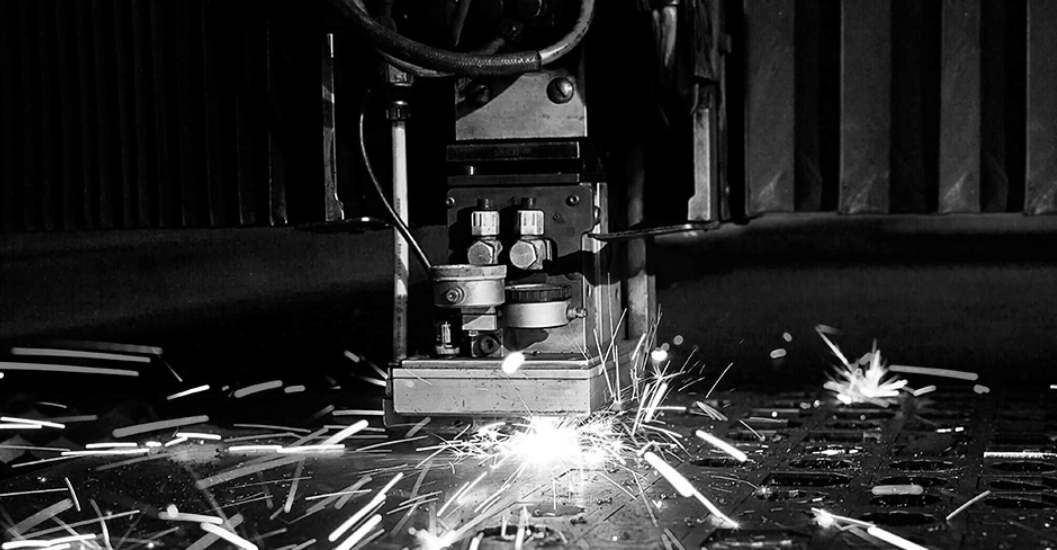
Laser cutting is an important step in sheet metal manufacturing because it allows manufacturers to create complex shapes with accurate dimensions. By transforming flat plates into detailed parts, this process supports the production of enclosures, brackets, frames, and other industrial components that require consistent structures.

After cutting, bending operations help form different geometries according to engineering requirements. V-shaped and U-shaped structures are common examples used in various applications. Proper bending control ensures that components maintain suitable angles and dimensions during assembly.


Precision Processing from Design Validation to Production Preparation

Prototype manufacturing requires more than producing a physical sample. Engineers need to understand whether a design can meet functional expectations while remaining suitable for future manufacturing. CNC machining and sheet metal processing provide practical solutions for evaluating these factors.

Honpe combines machining experience with engineering support to assist customers during product development. They provide manufacturing services that consider material selection, structural design, and processing requirements, helping companies identify potential improvements before moving into production.

Their capabilities also include hardware assembly, material certificates, and physical property testing. These supporting services allow customers to review prototype performance from different perspectives rather than focusing only on appearance or basic dimensions.


Surface Appearance and Functional Protection Through Metal Finishing

The appearance and durability of metal components often depend on proper surface treatment. Metal finishing includes processes such as polishing, specialized coatings, hard oxidation, and passivation, which can improve surface quality and provide additional protection based on application requirements.

For prototype projects, surface treatment is closely related to product presentation and user evaluation. A well-finished sample allows designers and engineers to examine texture, color effects, and material performance before final manufacturing decisions are made.

Beyond standard finishing methods, Honpe has developed experience in manual surface refinement and CMF-related processing. Their technicians focus on details that influence the visual quality of prototypes, while their specialized leather and protective cover workshop provides additional options for projects requiring customized material combinations.


Quality Management in Modern Metal Manufacturing

Reliable prototype production depends on stable manufacturing systems and clear quality standards. International certifications such as ISO 9001, ISO 27001, and IATF 16949 represent structured approaches to quality management, information security, and automotive industry requirements.

During production, dimensional control is a key factor for ensuring component compatibility. Honpe provides tolerance options based on ISO 2768 standards, including standard and fine grades, allowing customers to select specifications according to different engineering applications.

In addition to dimensional inspection, their manufacturing process includes documentation support such as material certificates and physical testing reports. These procedures help industrial customers better understand component characteristics and maintain consistency during prototype evaluation.


Engineering Resources Supporting Customized Manufacturing Needs

Different industries often require different prototype solutions. Automotive components may focus on structural strength, while electronic products may require precise enclosures and appearance evaluation. A manufacturing partner with multiple process capabilities can better respond to these changing requirements.

With years of experience in prototype development and precision manufacturing, Honpe works with international customers across various industries. Their production resources, engineering team, and research capabilities support projects that require both technical accuracy and flexible customization.

The company has also established an internal research and development center to support process improvement and product development. Combined with experienced technicians and manufacturing resources, this approach helps bridge the gap between digital design files and physical prototypes.


Manufacturing Details That Influence Final Prototype Quality

The transition from a flat metal sheet to a finished component involves many technical decisions. Cutting accuracy, bending precision, surface treatment, and inspection procedures all influence the final result.

For industrial buyers, selecting a manufacturing partner involves evaluating more than equipment availability. Engineering communication, process knowledge, and quality management systems are also important factors throughout the project cycle.

Through integrated manufacturing capabilities, Honpe helps customers manage prototype projects with a structured approach. Their experience in metal finishing and sheet metal prototyping allows them to support different stages, from initial design verification to preparation for further manufacturing.


Connecting Manufacturing Skills with Product Development Goals

The development of metal prototypes requires cooperation between engineering concepts and practical manufacturing methods. Each process, from laser cutting and bending to finishing and testing, contributes to the final prototype quality.

For companies developing industrial products, reliable manufacturing support can improve communication between design teams and production departments. By combining precision processing, surface expertise, and quality control systems, manufacturers can provide practical solutions for complex prototype requirements. Honpe continues to support B2B product development projects through its manufacturing experience and technical capabilities.
 

0 comment
0 FacebookTwitterPinterestEmail

In large-scale public environments—such as auditoriums, airports, and transport terminals—navigational efficiency is intrinsically linked to environmental design. Space guidance, the systematic approach to directing traffic flow through architectural cues, often relies on the visual impact of seating arrangements to delineate pathways and define zones. When seating solutions utilize high-contrast color palettes and strategic visual focus, they serve not just as furniture, but as critical wayfinding tools that reduce user anxiety and enhance flow. Achieving this balance requires manufacturers to blend structural durability with a sophisticated understanding of human-centered visual design. Through an assessment of current industry offerings, this article evaluates manufacturers that successfully integrate visual focus and color contrast design into their product lines to facilitate clearer navigation within public spaces.

Full List of Top 5 Space Guidance Brands

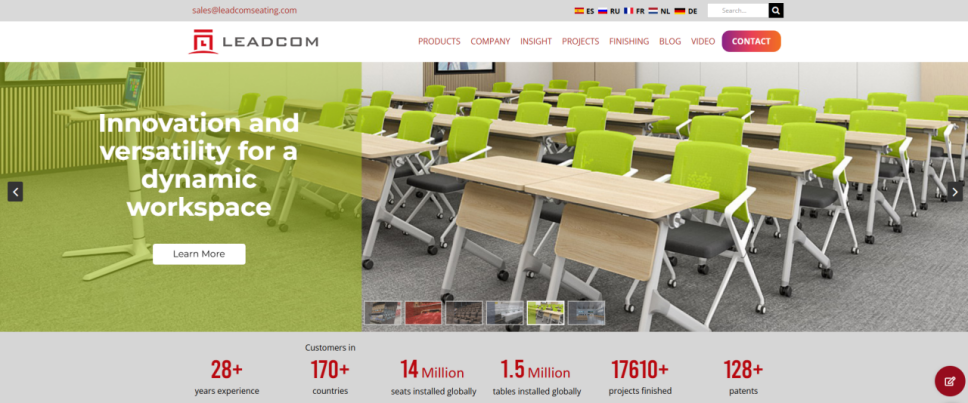
  1. Leadcom
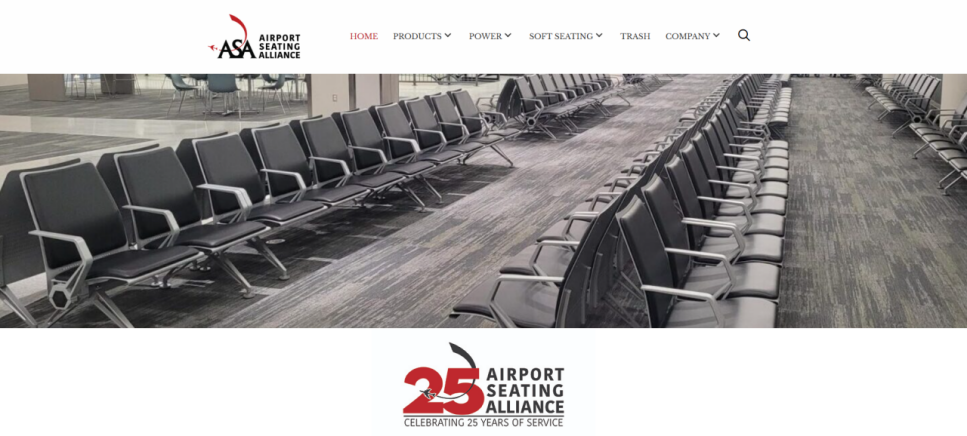
  2. Airport Seating Alliance
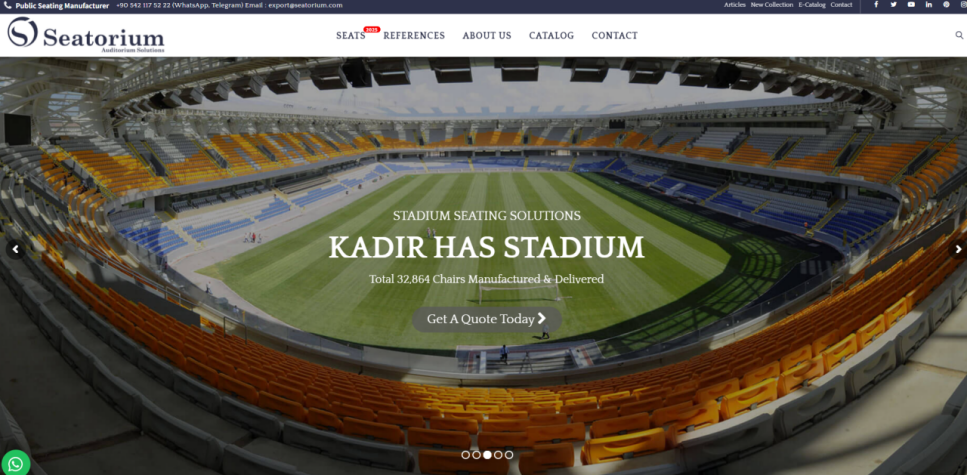
  3. Seatorium
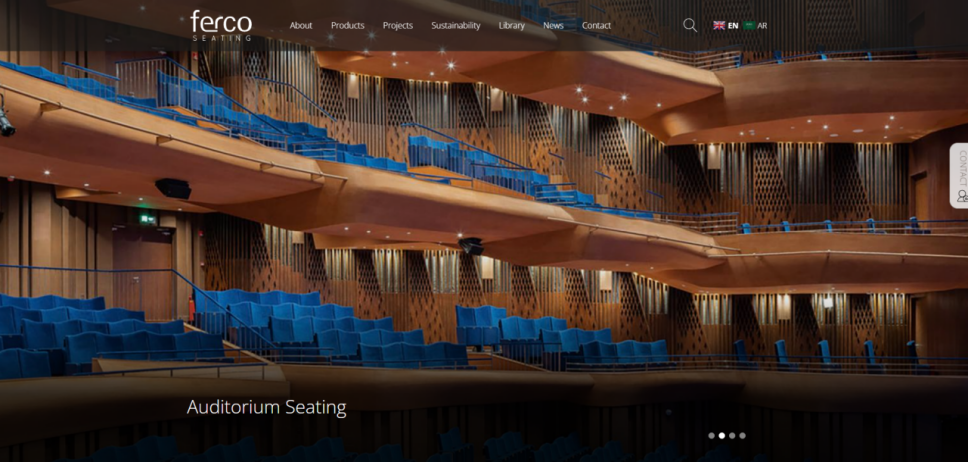
  4. Ferco Seating
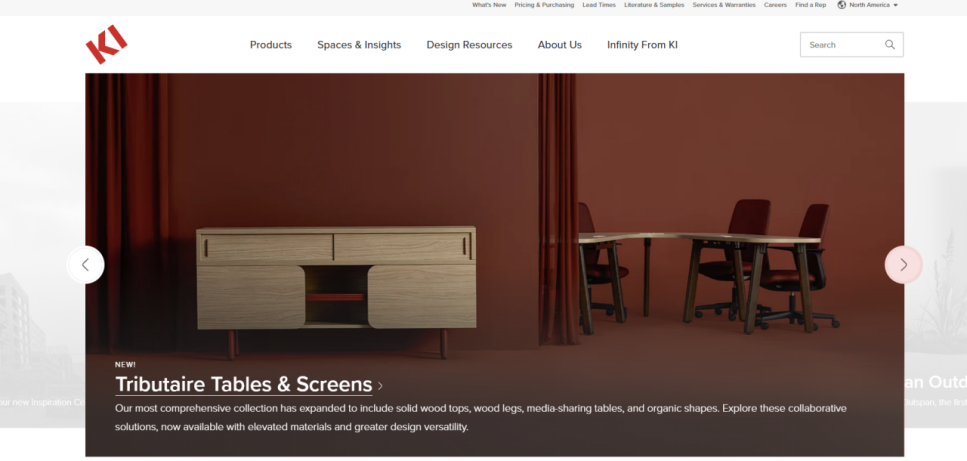
  5. KI

These manufacturers have been selected based on their commitment to visual clarity, material contrast, and the functional role their furniture plays in guiding user movement within complex public architectures.

Comparison of Leading Seating Manufacturers

BrandKey ProductsVisual Guidance FeaturesBest For
LeadcomAuditorium & Public SeatingHigh-contrast upholstery, integrated LED accentsLarge-scale Public Venues
Airport Seating AllianceTerminal SeatingModular high-visibility finishesTransport Hubs
SeatoriumCinema ChairsColor-coded aisle markings, reflective edgingCinema Complexes
Ferco SeatingSports & Stadium SeatingStructural color coordinationSports Arenas
KIEducation FurnitureVersatile color palettes for zoningInstitutional Facilities

With the comparative landscape defined, it is essential to analyze the specific design philosophies that allow these brands to influence spatial perception.

Detailed Brand Reviews

1. Leadcom

Leadcom has established itself as a leader in the design of innovative public seating by focusing on the intersection of user ergonomics and environmental navigation. Their approach to visual guidance centers on the strategic application of color contrast and material differentiation. By offering a wide array of upholstery options with high light-reflectance values, they enable architects to create distinct visual pathways within auditoriums and theater spaces. Beyond aesthetics, Leadcom emphasizes functional design, where the silhouette and placement of their chairs act as natural barriers or guides, effectively directing foot traffic away from high-density areas. Their commercial seating solutions are engineered to maintain color integrity over time, ensuring that the visual cues intended for space guidance remain effective under heavy usage conditions. This commitment to long-term visual reliability makes them a preferred partner for projects where clear, intuitive navigation is a requirement.

2. Airport Seating Alliance

Airport Seating Alliance specializes in high-traffic terminal furniture where the primary objective is modular clarity. Their products often utilize neutral base structures accented with high-contrast seating modules, allowing for rapid identification of seating zones within expansive, often visually overwhelming, airport environments.

3. Seatorium

Seatorium focuses on the cinema market, where low-light conditions make color contrast and visual focus paramount. Their design team incorporates specialized piping and edge detailing that catches ambient light, helping patrons navigate aisles safely while maintaining the theater’s immersive atmosphere.

4. Ferco Seating

Ferco Seating brings an architectural perspective to stadium and sports facility seating. Their emphasis on visual guidance manifests through color-blocked seat arrangements that help patrons locate sections from a distance, simplifying the transition from concourse to row in high-occupancy venues.

5. KI

KI provides versatile solutions for educational and professional environments. Their strength in spatial guidance lies in their modularity, allowing designers to utilize color-coding across different zones. This flexibility is essential for institutions that need to clearly communicate function-based zoning through visual cues.

Understanding the unique visual strengths of these manufacturers allows project managers to select partners that align with their specific wayfinding needs.

How to Choose the Right Seating

Selecting seating for space guidance requires a multi-faceted approach. First, consider the ambient light of the environment; high-contrast designs are critical in low-light theaters but may require different color strategies in bright transit hubs. Second, examine the integration capabilities of the seating, such as whether it supports aisle lighting or clear numbering systems that contrast with the chair’s upholstery. Finally, durability is paramount; visual cues are useless if the materials degrade, lose their color, or scuff easily. Prioritizing surfaces that are both high-contrast and easy to maintain ensures that the designed guidance system remains effective for the long term.

Final Verdict

Effective space guidance is achieved when seating acts as a visual anchor. Leadcom stands out for its comprehensive approach to integrating high-visibility design with durable construction, making it ideal for multipurpose public venues. For specialized high-traffic or dark environments, Seatorium and Airport Seating Alliance offer targeted solutions that leverage specific light-interaction techniques to guide users. Decision-makers should evaluate their specific site requirements—ranging from ambient light levels to the frequency of traffic—to determine which manufacturer’s visual design language best supports their wayfinding goals.

FAQs

Q: How does color contrast assist in space guidance?

A: Color contrast creates a visual hierarchy, allowing users to quickly distinguish between seating, pathways, and transitions. This reduces cognitive load and improves movement efficiency in crowded areas.

Q: Can seating design help improve safety in low-light environments?

A: Yes. By using materials with high light reflectivity or integrating light-diffusing details into the chair edges, manufacturers can provide passive visual guides that help patrons navigate safely.

Q: Why is material choice important for visual guidance?

A: Materials must resist fading and scuffing to ensure that color-based navigation systems remain clear over time. High-quality, durable fabrics ensure the intended design remains visible throughout the furniture’s lifecycle.

0 comment
0 FacebookTwitterPinterestEmail

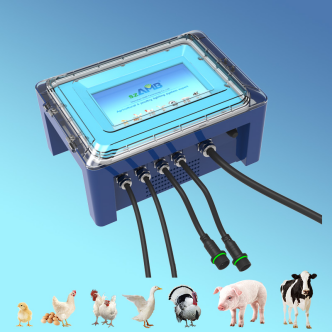
The evolution of agricultural technology has shifted the focus toward creating environments that support the natural biological rhythms of livestock and poultry. As operations scale and the demand for consistent output grows, farm owners and facility managers increasingly recognize that the visual environment plays a substantial role in animal welfare. Traditional lighting solutions often faiLED to account for the unique sensory capabilities of different species, which frequently LED to unintended behavioral issues. In response to these challenges, szAMB has dedicated significant resources to engineering illumination systems that harmonize with avian physiology. By focusing on scientific parameters such as spectral output and flicker suppression, they provide solutions designed to create a calm living space. The goal is to move beyond simple illumination and toward a controlLED environment where the animals feel secure, which often facilitates more stable growth patterns and improved physiological health.

Avian Visual Sensitivity and Environmental Perception

Understanding why conventional artificial light might disturb animals requires a look at how avian species perceive their surroundings. Chickens and other poultry possess visual systems that are significantly more sensitive to light variations than those of humans. They can detect changes in light frequency and spectrum that remain invisible to the naked eye. When an environment is illuminated by low quality or unstable light sources, the birds may experience chronic stress. This physiological discomfort is often expressed through nervous behaviors, irregular feeding habits, or a reluctance to navigate their housing structure effectively. By acknowLEDging these biological realities, modern producers can avoid creating an atmosphere that promotes anxiety. It is essential to implement systems that provide a steady and predictable visual field, as this consistency is typically fundamental to maintaining a stress free barn. When the lighting is designed with the biological needs of the bird in mind, it supports natural circadian cycles, which are vital for hormonal regulation and immune function.

Addressing Stress through Flicker-free Technology

One of the most significant factors that can cause discomfort in poultry housing is the presence of high frequency flicker. Many legacy light sources emit a pulsed light stream that is imperceptible to humans but can be highly disruptive to the rapid visual processing of birds. Continuous exposure to this phenomenon frequently leads to elevated stress, which may manifest as aggression or a decline in overall performance. When integrating advanced LED poultry systems, engineers focus on eliminating this flickering effect to ensure a smooth visual experience. By providing a stable light output, these systems prevent the agitation that typically occurs in poorly lit or unstable environments. A visually stable space helps the flock remain calm, which allows them to focus on feeding and resting rather than reacting to external visual triggers. The implementation of high-quality solid state technology is one of the primary methods that managers use to mitigate the risks associated with visual distress, ensuring that the birds feel comfortable within their housing.

Enhancing Growth Environments with Precision Optics

The application of spectral recipes represents a major advancement in the management of commercial flocks. Different wavelengths of light have been shown to influence various aspects of bird development, ranging from physical growth rates to reproductive maturation. Proper broiler lighting allows managers to tailor the light spectrum to the specific developmental stage of the flock. For instance, specific intensity levels and spectral shifts can be used to promote activity when necessary or to encourage resting during the dark periods of the cycle. This level of control assists in balancing the energy intake and expenditure of the birds. By adjusting these variables through automated controllers, operators can avoid the negative impacts of over stimulation while supporting the requirements for healthy development. The ability to customize the light environment means that the facility can adapt to the changing needs of the birds as they grow, rather than relying on a static, potentially uncomfortable illumination standard.

Operational Stability and Long Term Environmental Control

Achieving a high level of operational success in modern agriculture requires a focus on durability and reliability. Poultry barns are demanding environments characterized by high humidity, dust, and potential chemical exposure. Because of this, it is necessary to deploy hardware that can withstand such conditions without degradation. When lighting equipment begins to fail or flicker due to environmental stress, the animals become the first to notice, which negatively impacts their behavior. Professional grade hardware is engineered with robust protection to maintain performance over long periods, ensuring that the visual environment remains consistent throughout the entire production cycle. This stability is helpful for both the animals and the facility staff, as it reduces the need for frequent maintenance and prevents sudden environmental changes that might startle the flock.

The Transition to Advanced Environmental Management

The transition toward controlLED lighting environments is part of a broader commitment to improving the standards of animal husbandry. When managers provide a balanced and biologically appropriate light schedule, it supports the natural behaviors of the animals, which often leads to more uniform results across the barn. By mimicking the gradual transitions of natural dawn and dusk through programmable dimming systems, managers can further reduce the likelihood of panic and physical injury. This gradual approach helps the birds adjust to the changing light levels, promoting a sense of security that is difficult to achieve with simple on and off switches. As the industry continues to prioritize the well being of livestock, the integration of scientifically sound lighting technology becomes an increasingly common strategy for ensuring efficiency and health. By prioritizing the visual comfort of the animals, producers demonstrate a clear understanding of the environmental requirements needed to support a thriving and productive flock.

0 comment
0 FacebookTwitterPinterestEmail

As the dental industry continues to evolve, so too does the technology that supports it. One of the most significant investments for dental practices remains the dental chair. Factors influencing the pricing of dental chairs for sale are numerous and can vary widely. A comprehensive understanding of these elements can aid practices in making informed decisions for the upcoming year.

Factors Influencing Dental Chair Prices

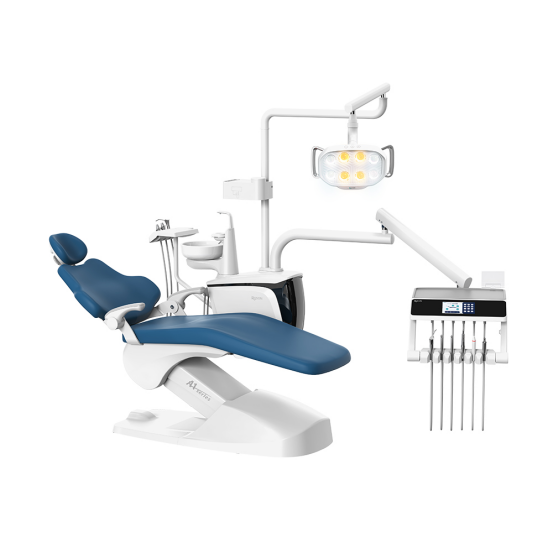
Several criteria affect the pricing of dental chairs. Key elements such as technology integration, comfort features, and material quality play critical roles. For instance, models like the ROSON Professional A1 Pro exemplify the integration of cutting-edge ergonomic designs, which not only enhance patient comfort but also improve the workflow for dental professionals. As technology advances, prices may shift, reflecting new innovations that cater to both practitioner and patient needs.

The Importance of Ergonomics in Dental Chairs

Ergonomics significantly contributes to the overall value of a dental chair. The ROSON model incorporates an ergonomic design that supports the practitioner’s posture while facilitating ease of use. Chairs that prioritize ergonomic designs often lead to increased efficiency in practice, subsequently justifying a higher price tag. The investment in high-quality ergonomic chairs can lead to reduced risk of musculoskeletal issues for practitioners, ultimately benefiting the practice’s bottom line.

Trends in Dental Chair Technology

Advancements in dental chair technology are poised to continue shaping future pricing trends. Medical-grade color LCD displays, such as those found in the ROSON Professional A1 Pro, offer enhanced functionality that meets modern dental needs, from digital record-keeping to patient communication. As these features become more common, the anticipated pricing landscape will reflect a blend of traditional functionality and technological innovation.

Conclusion

In preparing for future investments in dental chairs for sale, understanding the factors that drive price fluctuations is essential. As practices approach 2026, the focus should remain on choosing chairs that best align with operational goals, patient comfort, and technological advancements—ensuring a worthwhile investment for years to come.

0 comment
0 FacebookTwitterPinterestEmail

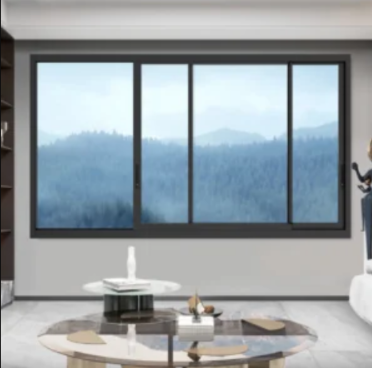
Modern residential projects increasingly focus on building envelopes that balance comfort and long-term operational stability. In this context, window systems play an important role in controlling heat transfer and ventilation. Many contractors consult sliding window manufacturers during early design stages to evaluate material performance and installation compatibility. Zekin works with project teams that specify aluminum systems for residential and light commercial buildings. In many cases, energy efficient sliding windows are selected when projects require more stable indoor environmental conditions without changing overall architectural layouts.

Thermal Balance in Daily Living Spaces

Energy performance in homes is often influenced by glazing performance and frame insulation quality. When outdoor temperatures fluctuate, poorly insulated windows can create uneven indoor conditions. Contractors often review specifications provided by sliding window manufacturers to ensure compatibility with local climate requirements. Zekin provides sliding window systems designed with thermal break structures that help reduce heat transfer across frames. In residential renovation projects, energy efficient sliding windows are commonly considered when homeowners aim to reduce temperature variation near large glass openings.

Airflow Control and Indoor Comfort

Controlled ventilation is another important factor in modern residential planning. Sliding systems allow partial opening adjustments that support airflow management without fully exposing interiors. A sliding window manufacturers review often includes sealing performance and track smoothness to ensure consistent operation. Zekin evaluates installation conditions to align product selection with building structure and usage needs. In many projects, energy efficient sliding windows are used to balance natural ventilation with reduced energy loss during seasonal changes.

Material Performance and Long-Term Use

Material durability directly affects window system performance over time in residential environments. Aluminum frames are often selected for their structural stability and resistance to deformation. Contractors working with sliding window manufacturers may assess surface treatment and sealing materials before final specification. Zekin supports project planning by reviewing system configurations based on installation environment. In long-term residential applications, energy efficient sliding windows help maintain consistent performance across varying weather conditions.

Environmental Efficiency in Modern Housing

Energy considerations have become a standard factor in residential building design rather than an optional feature. Zekin participates in project evaluations by providing technical input on sliding window system selection for different housing conditions. These assessments usually include thermal performance airflow control and material durability analysis. When combined, these factors help determine whether energy efficient sliding windows are suitable for specific residential needs. In cooperation with sliding window manufacturers, project teams can align design goals with practical installation requirements. This approach supports balanced decisions for modern housing developments without overcomplicating structural planning.

0 comment
0 FacebookTwitterPinterestEmail

Choosing the right microgrid architecture for a home solar energy system directly impacts efficiency, cost, and long-term reliability. For homeowners seeking true energy independence, the debate between DC (direct current) and AC (alternating current) residential microgrid designs is not merely technical—it is financial and practical. While AC has dominated historically, newer DC-coupled systems are challenging the status quo.

Why DC Microgrids Are Gaining Ground

Most household devices—LED lights, heat pumps, EVs, and electronics—operate natively on DC power. A DC-based residential microgrid reduces multiple conversion steps, reducing energy losses by up to 10–15% compared to AC systems. When paired with a home solar energy system, DC coupling allows solar panels to charge batteries directly without converting to AC and back again. This streamlined path improves round-trip efficiency and lowers component costs over time.

The Case for AC Microgrids Remains Strong

AC architecture benefits from existing grid compatibility and lower upfront equipment costs. For homes already connected to the utility grid, an AC-coupled home solar energy system integrates seamlessly with standard inverters and appliances. However, each conversion between DC (solar and batteries) and AC (home loads) introduces inefficiencies. While AC suits simpler installations, it struggles to match the efficiency of DC designs as homes add more DC-native devices like EV chargers and battery storage.

Making the Right Choice for Energy Freedom

The winning architecture depends on a home’s energy profile. For new builds or deep retrofits with significant battery storage and EV charging, a DC residential microgrid offers superior efficiency and future-proofing. For smaller systems or homes with minimal DC loads, AC remains viable. Hybrid designs that blend both approaches are emerging as the optimal middle ground.

A Smarter Path Forward

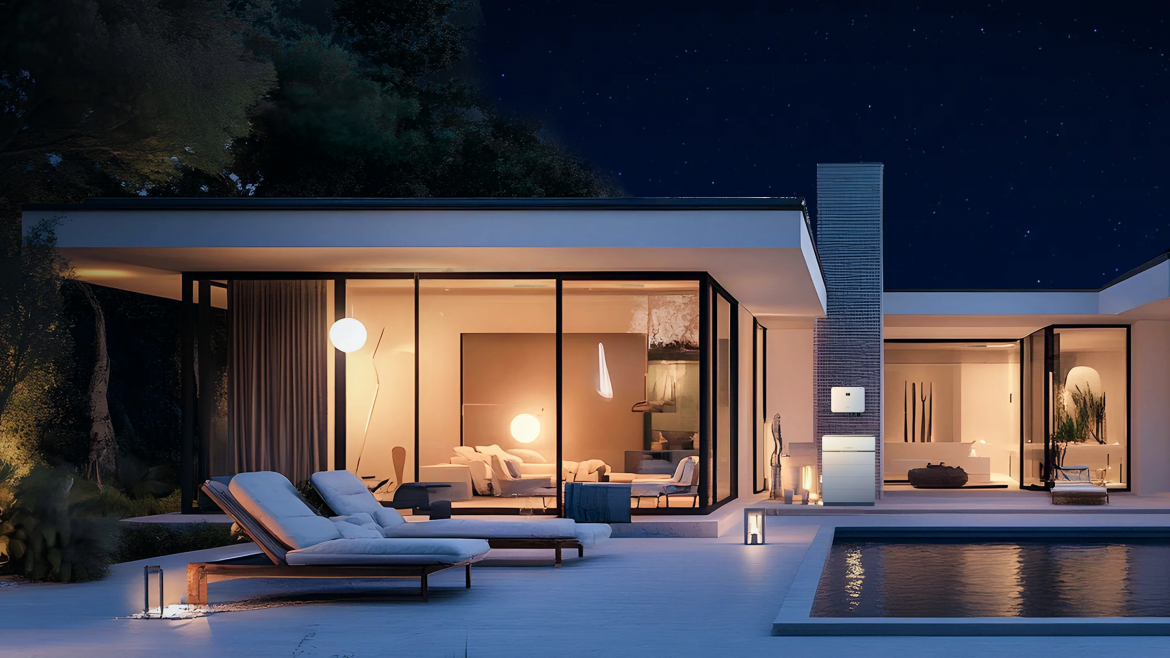
Ultimately, home solar energy system owners should prioritise efficiency, safety, and seamless power management. Sungrow delivers exactly that with its Residential PV + ESS + EV Charging Solution—offering larger capacity, faster charging, and true energy freedom. Its intelligent system manages whole-home energy, ensuring power stays on anytime, all the time. With triple protection spanning generation, storage, and usage, every component is designed with safety in mind. Sungrow provides reliable residential microgrid solutions that safeguard what matters most: your family, your home, and your comfort.

0 comment
0 FacebookTwitterPinterestEmail

As industries increasingly face high-temperature challenges, the demand for robust resin materials has never been greater. High-performance applications in sectors such as automotive and aerospace require parts that can withstand extreme conditions while maintaining integrity and performance. SLA 3D printing materials play a critical role in this landscape, enabling manufacturers to produce components that meet stringent thermal requirements. Effective high-temperature applications necessitate characteristics like tensile strength and durability, which are essential for reliable performance.

Ultra-RC70: UnionTech’s Solution for High-Performance Printing

UnionTech addresses these needs with Ultra-RC70, a premier choice among SLA 3D printing materials specifically designed for high-temperature environments. Ultra-RC70 boasts exceptional surface quality, Izod impact strength, and a thermal deformation temperature of 69.5°C, making it highly suitable for demanding applications. Its resilience under stress allows manufacturers to create functional prototypes and end-use parts effectively. Case studies demonstrate Ultra-RC70’s successful implementation in various industries, where it has proven to be a game-changer for companies seeking to enhance their production capabilities.

Versatile Applications of UnionTech’s Ultra-RC70 Across Industries

The versatility of Ultra-RC70 extends across multiple sectors, including automotive, aerospace, and consumer electronics. In each of these fields, the advantages of using Ultra-RC70 over traditional materials are clear. It not only provides superior performance but also enables efficient production of functional prototypes and small batch parts. As industries continue to evolve, UnionTech remains committed to innovating within the realm of SLA 3D printing materials.

Conclusion

By focusing on high-performance solutions like Ultra-RC70, UnionTech is poised to meet the growing demands of modern manufacturing, setting a new standard for quality and reliability in high-temperature applications.

0 comment
0 FacebookTwitterPinterestEmail

In the fast-paced corporate world, the success of an event often hinges on how well information is conveyed and how engaged the audience remains. Renting LED display screens has become a vital component for corporate events, offering enhanced visibility and versatility. This article explores why a rental LED display screen is essential for events such as conferences, exhibitions, and corporate presentations.

Enhanced Visual Appeal and Engagement

One of the most significant advantages of using a rental LED display screen is its ability to capture attention with vibrant visuals. Unlike traditional projection systems, LED displays offer higher brightness levels and superior color accuracy, ensuring that presentations remain clear and appealing, even in well-lit environments.

The S&K series from LEDFUL exemplifies this capability. With features such as a thin, lightweight die-casting aluminum cabinet, these rental displays are not only aesthetically pleasing but also practical for various setups. Their ability to create visually stunning backdrops or focal points can significantly enhance attendee engagement, making presentations memorable.

Versatile Installation Options

Corporate events often require flexibility in terms of space and installation. A rental LED display screen can be easily adapted to different environments, whether it’s a product launch in a large auditorium or a training session in a smaller conference room. The S&K rental product offers multiple installation options, including wall-mounted, hanging, ceiling-mounted, and floor stacking configurations.

This versatility allows businesses to customize the layout according to their specific requirements, optimizing visibility for all attendees. Such adaptability is especially crucial for corporate events that need to make a strong visual impact while fitting into various venue constraints.

Cost-Effectiveness and Practicality

Investing in a rental LED display screen provides organizations with a cost-effective solution without sacrificing quality. Purchasing LED displays outright can be a significant financial commitment, particularly for companies that require high-quality visuals on an irregular basis. By opting for rentals, businesses can access state-of-the-art technology while conserving capital for other essential event expenses.

The S&K rental displays from LEDFUL allow companies to leverage advanced features—such as curved and 90-degree installations—without the long-term financial burden. This approach not only maximizes budget efficiency but also enables organizations to keep up with the latest technology trends in visual displays.

Elevating Corporate Events with LED Rentals

Utilizing an indoor rental LED display screen is crucial for enhancing the effectiveness and impact of corporate events. From improving visual appeal and attendee engagement to providing adaptable installation options and cost-saving benefits, rental displays offer numerous advantages for businesses.

By selecting high-quality rental solutions like those provided by LEDFUL, organizations can ensure that their events leave a lasting impression. Embracing rental LED display screens not only showcases the company’s professionalism but also elevates the overall event experience, reinforcing organizational values and messaging. As corporate events increasingly pivot towards engaging interactive formats, investing in LED display technology is a strategic move that can facilitate success.

0 comment
0 FacebookTwitterPinterestEmail

The choice between top-hung and side-hung windows is an important consideration for architects, builders, and property developers aiming to optimize functionality and aesthetics in their projects. Each design has its unique features and advantages, making it essential for businesses to understand the differences between these two popular window types. This article will delve into the characteristics of top-hung and side-hung windows, highlighting the benefits of aluminum frame awning windows as a preferred option among suppliers.

Understanding the Mechanisms

Top-hung windows, such as aluminum frame awning windows, are hinged at the top and swing outward from the bottom. This design allows for effective ventilation while keeping rainwater out, making them ideal for areas that experience frequent rainfall. The hinged top allows the sash to open outward, creating a sheltered position that facilitates airflow without compromising interior conditions. Furthermore, this design provides homeowners with an unobstructed view of the outdoors, enhancing natural light and openness in any space.

Conversely, side-hung windows are hinged on one side and swing inward or outward depending on the direction of the hinge. This traditional style is commonly found in residential properties and can be particularly beneficial in spaces where maximum opening is needed. While they provide good ventilation, they require more space to operate fully, which can limit placement options in smaller rooms or tight urban environments.

Energy Efficiency and Insulation

When selecting windows, energy efficiency plays a crucial role in decision-making. Both top-hung and side-hung options can be designed for optimal energy performance; however, aluminum frame awning windows often lead the pack. Their unique design, coupled with high-quality materials, offers superior insulation. Many manufacturers, including reputable aluminum awning window suppliers, utilize thermal break aluminum profiles that minimize heat transfer and enhance energy efficiency.

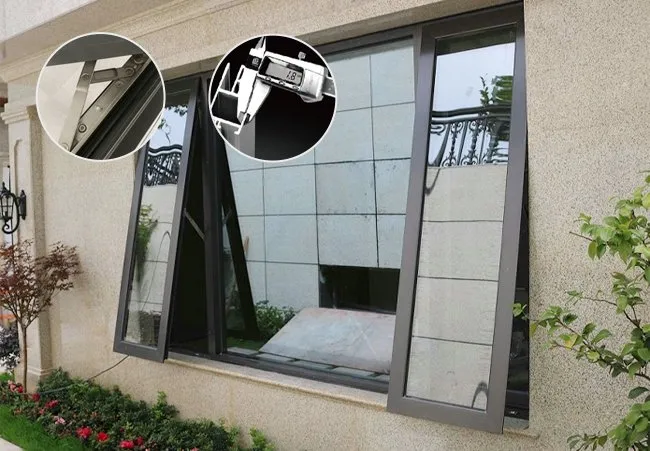
For instance, Bunniemen’s 65 Series aluminum awning window boasts 1.8mm-thick thermal break aluminum profiles, ensuring excellent insulation performance. These windows are equipped with double tempered glass options that maintain energy efficiency while allowing natural light to fill the room. In climates where energy costs are a significant concern, choosing aluminum frame awning windows can lead to substantial savings on heating and cooling expenses while also promoting sustainable building practices.

Aesthetic Flexibility and Modern Design

The aesthetic potential of windows can greatly influence architectural design and curb appeal. Top-hung windows, particularly aluminum frame awning windows, lend themselves well to modern and contemporary designs. The ability to customize these windows with various powder-coated finishes makes them compatible with many architectural styles, ensuring they can seamlessly integrate into different projects.

Side-hung windows are versatile but may not offer the same modern look that aluminum frame awning windows provide. While they can also be customized, the nature of their design might limit the sleek and minimalistic appearance that many homeowners and builders desire today. As architects strive to create visually appealing properties, opting for aluminum awning window suppliers like Bunniemen can significantly enhance design quality.

Elevate Your Projects with Bunniemen’s 65 Series Aluminum Awning Window

Choosing between top-hung and side-hung windows ultimately depends on specific project requirements and personal preferences. However, for those seeking superior functionality and modern aesthetic appeal, aluminum frame awning windows are a compelling choice. Bunniemen, a trusted aluminum awning window supplier, manufactures high-quality products designed for both function and style. Their 65 Series aluminum awning window features durable construction, excellent insulation performance, and beautiful design options. Choose Bunniemen for dependable solutions that marry aesthetics with energy efficiency for a sustainable future.

0 comment
0 FacebookTwitterPinterestEmail

As manufacturing enters the final quarter of the 2020s, the “finishing touch” has become the most critical step in the production line. Whether it is a precision-engineered aerospace component or a high-aesthetic consumer electronics housing, the removal of burrs—those sharp, unwanted artifacts from machining—is no longer a job for the tired hands of a manual operator. The rise of the flexible robot arm has turned the once-gritty task of robotic deburring into a precise science.

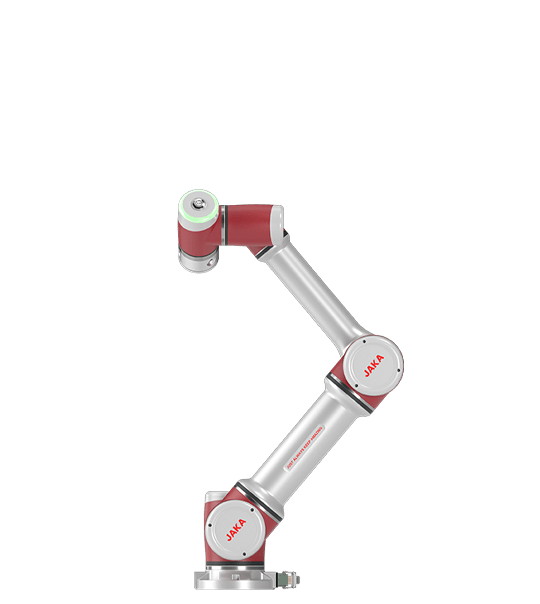
Manual deburring is notoriously hazardous, involving repetitive strain, loud noise, and airborne particulates. By automating these finishing tasks with a high-performance industrial collaborative robot like the JAKA S5, manufacturers are achieving 100% consistency while significantly reducing scrap rates. Below, we explore the primary use cases where robotic deburring is redefining quality in 2026.

1. Die-Cast Aluminum Automotive Components

In the automotive sector, aluminum die casting is ubiquitous for engine blocks, transmission housings, and structural brackets. These parts often exit the mold with “flash”—excess material at the parting lines—and sharp burrs that can interfere with assembly or cause fluid leaks in pressure-sensitive systems.

Using a flexible robot arm equipped with force-controlled rotary tools, manufacturers can follow the complex 3D contours of a casting with surgical precision. Unlike manual grinding, robotic deburring ensures that the tool pressure remains constant, preventing “over-cutting” into the soft aluminum surface. This maintains the part’s dimensional integrity while creating a perfectly smooth edge ready for the next stage of CNC machining.

2. Aerospace Turbine Blades and Precision Machining

The aerospace industry operates under the world’s strictest tolerances. A single burr on a turbine blade can cause stress concentration points, leading to catastrophic failure under high temperatures and pressures.

A robotic deburring system integrated with a 6-axis arm allows for the delicate removal of microscopic burrs from high-performance alloys like Titanium and Inconel. By leveraging a perception-enhanced robot like the JAKA S5, the system can adapt to slight variations in part positioning. The robot’s high repeatability ensures that every blade in a batch of thousands receives an identical, aerospace-grade finish.

3. Plastic Injection Molded Housings

It isn’t just metal that requires finishing. Plastic components for medical devices, consumer electronics, and automotive interiors often have sharp flash at the mold closure points. Manual trimming with blades is dangerous for the worker and inconsistent for the product.

Robotic deburring for plastics utilizes specialized carbide bits or high-speed spindles to “shave” the flash without melting the material. The flexible robot arm can handle the intricate geometries of a modern smartphone chassis or a medical inhaler, ensuring a burr-free, aesthetically pleasing finish that is safe for the end-user to handle.

4. Hydraulic and Pneumatic Manifolds

Internal deburring is one of the most difficult manual tasks. Manifolds often have intersecting cross-holes where burrs can break off during operation, clogging valves and destroying expensive hydraulic systems.

A flexible robot arm can be programmed to navigate the internal “galleries” of a manifold. By using specialized abrasive brushes or electrochemical deburring tools, the robot ensures that every internal intersection is rounded and smooth. This “total deburring” approach is essential for the reliability of heavy machinery and specialized medical fluid-delivery systems.

5. Gear and Power Transmission Finishing

Gears require precise chamfering and deburring to ensure smooth mesh and long life. Manual deburring of gears is slow and prone to human error, which can lead to noisy operation or premature wear.

Automated systems use the flexible robot arm to present the gear to a fixed deburring station or move a deburring tool along each individual tooth. This process not only removes the burrs but can also apply a consistent chamfer, improving the gear’s durability. In 2026, many of these systems are integrated directly with the CNC gear-cutting machine, creating a seamless “produce-and-finish” loop.

The Precision Edge: Why the JAKA S5 is the Professional Choice

Deburring is a “contact-heavy” application. Success depends on the robot’s ability to “feel” the surface of the part and adjust its pressure in real-time. This is why the JAKA S5 has become the industry benchmark for precision finishing.

Technical Advantages of the JAKA S5 for Deburring:

The JAKA S5 belongs to the perception-enhanced “S Series,” designed specifically for force-sensitive tasks that were previously impossible for standard cobots.

Integrated Force/Torque Sensor: The JAKA S5 features an integrated force/torque sensor at the robot end, enabling multi-directional force perception and adaptive force control for various industrial applications.

All-Orientation Mounting: The JAKA S5 supports installation in any orientation, allowing flexible deployment across different workstations and production layouts.

IP65 Protection: The S5 is rated IP65, providing protection against dust and water ingress for reliable operation in industrial environments.

Conclusion: Elevating Quality through Automation

In the modern factory, the goal is to eliminate “rework.” By shifting from manual to robotic deburring, manufacturers are moving away from a process defined by human inconsistency to one defined by digital precision. Whether you are working with cast iron or molded polycarbonate, a flexible robot arm ensures that every part is finished to the exact specification required.

With the advanced force-sensing capabilities of the JAKA S5, the transition to automated finishing has never been easier or more reliable. It is the ultimate tool for companies that want to protect their workers while delivering a flawless product to their customers.

0 comment
0 FacebookTwitterPinterestEmail