A residential solar installation no longer needs to operate as a collection of disconnected devices. Solar panels can generate electricity, batteries can retain surplus power, EV chargers can serve vehicle demand, heat pumps can electrify heating, and software can coordinate information from across the system. Fox ESS approaches this model as a connected residential energy ecosystem, combining PV and hybrid inverters, batteries, EV chargers, heat pumps, and FoxCloud 2.0.
From Solar Generation to a Connected Home Energy System
The starting point is still solar generation, but the value of PV depends partly on what happens to electricity after it is produced. A home may generate substantial power during daylight hours while household demand peaks at different times. Connecting generation with storage and controllable loads creates more ways to use that electricity within the home.
Fox ESS’s product portfolio is designed around this broader relationship. Its residential range includes microinverters, PV inverters, hybrid inverters, batteries, EV chargers, heat pumps, and FoxCloud 2.0. Rather than positioning storage as a standalone product, the portfolio creates an architecture in which different energy assets can work within the same residential ecosystem.
For homeowners, that means the system can be considered as an energy network rather than a single solar installation. For installers, it provides a wider equipment framework for designing systems around a household’s generation, storage, mobility, and heating requirements.
Hybrid Inverters Link PV Generation With Battery Storage
Hybrid inverters form an important connection between solar generation and battery storage. Instead of treating PV conversion and battery management as unrelated functions, a hybrid architecture brings them into the same energy system.
Fox ESS offers single- and three-phase hybrid inverter solutions, with its product range designed to work with the company’s high-voltage batteries. The portfolio includes different power classes and configurations, allowing installers to match the inverter architecture to the requirements of a residential project.
That integration is particularly relevant when homeowners want to increase the usefulness of their solar generation. During periods of surplus production, electricity can be directed toward storage rather than being limited to immediate household consumption. Later, stored energy can become available when generation falls.
The inverter therefore acts as more than a conversion device. Within a connected system, it becomes one of the points where generation, storage, household demand, and grid interaction are brought together.
Battery Storage Creates Flexibility Across Household Energy Use
A battery changes the timing relationship between solar production and consumption. Instead of requiring generation and demand to occur simultaneously, storage creates an intermediate energy resource that can be used at another time.
Fox ESS describes its residential batteries as high-performance, scalable storage systems with modular designs intended to provide flexibility across storage applications. Its product range includes high-voltage and low-voltage battery solutions, giving installers options for different system architectures.
That flexibility becomes more valuable as additional electrical loads enter the home. An EV may need charging after work, while heating requirements can vary according to weather and household routines. Battery storage gives the overall system another resource for managing the timing of electricity use.
This is where energy management software becomes more than a monitoring tool. Once generation, storage, and consumption data are available together, software can provide the visibility needed to understand how energy is moving through the home.
EV Chargers and Heat Pumps Extend the Energy Ecosystem
Electric vehicles and heat pumps broaden the role of residential electricity. An EV charger connects transportation to the home’s electrical system, while a heat pump extends electrification into space or water heating.
Fox ESS includes AC EV chargers within its residential portfolio and describes them as compact, intelligent, and easy to use. The company’s product center also includes heat pumps alongside its PV, storage, and charging equipment.
Bringing these technologies into one ecosystem creates a wider field for energy coordination. Solar generation can be considered alongside battery availability, vehicle charging requirements, and heating demand instead of managing each load through an unrelated system.
The commercial value is also clear for installers. A broader portfolio can provide a more consistent equipment ecosystem as residential projects expand from solar-plus-storage installations toward increasingly electrified homes.
FoxCloud Provides the Digital Layer for Energy Management
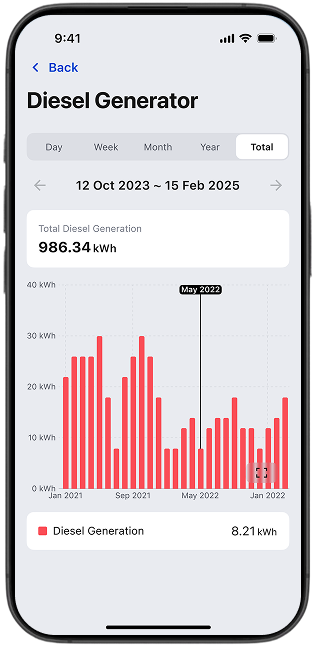
Hardware creates the energy infrastructure, but homeowners also need a way to understand and manage it. FoxCloud 2.0 provides that digital layer, allowing users to monitor and control home energy usage while viewing production and consumption information through one application.
The platform goes beyond basic dashboards. Fox ESS states that users can examine energy trends by day, week, month, or year, while its AI Mode can analyze energy habits, PV output forecasts, and dynamic tariffs or time-of-use pricing when applicable.
This gives smart energy solutions a practical role within the ecosystem. Instead of simply showing how much electricity a home has produced, the software can help turn energy data into decisions about how the system should be operated.
FoxCloud also connects the user experience to the physical equipment. Monitoring, control, energy insights, and tariff settings can be accessed through a centralized platform, making the complexity of a multi-device energy system easier to manage.
One Ecosystem, Multiple Energy Flows, Smarter Residential Control
The integration becomes clearest when the components are viewed as one energy chain. PV equipment generates electricity; hybrid inverters manage conversion and battery interaction; batteries shift available energy across time; EV chargers and heat pumps introduce additional controllable loads; and FoxCloud provides the digital interface for monitoring and energy management.
Fox ESS has continued to promote this ecosystem concept, including its Dynamic Energy Ecosystem showcased at SNEC 2026, where residential and C&I storage, EV charging, and heat-pump technologies were presented as connected elements of a broader energy strategy.
For homeowners, the attraction is the ability to bring more of the household’s energy assets into one coordinated environment. For installers, the approach offers a broader product ecosystem that can support increasingly complex residential energy projects.
The central advantage is therefore not simply having solar, a battery, an EV charger, or software individually. It is the way these technologies can be brought together.
Fox ESS positions that integration around a connected flow of generation, storage, consumption, and digital control—turning a conventional PV installation into a more comprehensive residential energy management system.
