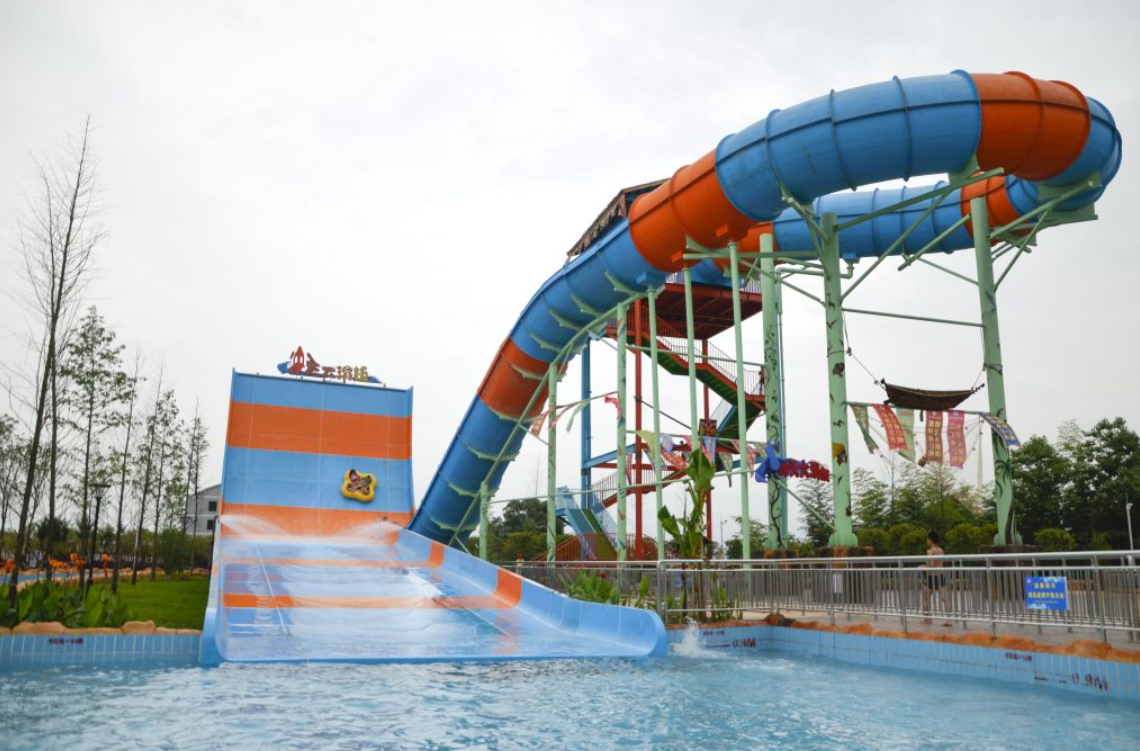
Planning a commercial water park involves more than selecting attractive products. Wholesale buyers need to consider equipment categories, supplier capabilities, project schedules, transportation, installation, and long-term service before making purchasing decisions. Choosing suitable commercial water park equipment requires a clear understanding of the project scope and cooperation process.
For investors, distributors, and developers, the sourcing process usually starts with defining project requirements and then comparing suppliers based on production ability, technical resources, delivery management, and service capability. Working with an experienced manufacturer can help simplify communication and improve coordination between different project stages.
Start with Project Requirements Before Purchasing Equipment
Before contacting suppliers, buyers should first define the basic requirements of the water park project. Factors such as available land area, target visitors, theme planning, operating model, and expected opening schedule can influence equipment selection.
A complete project may include water slides, interactive play areas, pools, towers, and supporting facilities. The selection of water park equipment should not only focus on individual products but also consider how different attractions connect within the overall layout.
For example, a family-oriented park may require more interactive facilities, while a larger commercial project may need a combination of high-capacity attractions and supporting systems. Clear planning at the beginning helps suppliers recommend solutions that match actual project conditions.
Decide What Equipment Needs to Be Purchased
Wholesale buyers usually need to prepare an equipment list according to the planned park functions. Common purchases may include large water slides, children’s water play structures, interactive equipment, and customized attractions.
When reviewing product options, buyers should check technical information such as dimensions, installation requirements, capacity, material specifications, and maintenance considerations. These details influence construction planning and help confirm whether the selected equipment fits the available space.
A splash tower is one example of an interactive attraction that may be included in a water park project. Before adding this type of equipment, buyers need to consider its location, water supply requirements, connection with surrounding facilities, and how it fits into visitor flow planning.
How to Find the Right Supplier for Bulk Purchasing
After defining equipment requirements, buyers need to evaluate potential manufacturers. Price is only one part of supplier selection. Production capability, factory resources, previous project experience, and technical support are also important factors.
A professional water slide supplier should be able to provide detailed product information, technical communication, and project assistance. Buyers can review factory details, completed project cases, qualification documents, and production processes to understand the supplier’s actual capabilities.
Manufacturers with combination solution experience can also help buyers coordinate different attractions within one project. Instead of purchasing unrelated products from multiple sources, working with a supplier that understands overall planning may reduce communication difficulties.
Requesting and Comparing Supplier Quotations
A clear quotation request helps buyers receive more accurate information from suppliers. Before asking for prices, buyers should prepare details such as equipment quantity, project location, customization requirements, expected delivery time, and installation conditions.
When comparing quotations, buyers should review more than the total price. Important items include product specifications, included services, packaging methods, transportation arrangements, installation guidance, warranty terms, and after-sales responsibilities.
For example, when requesting a quotation for a splash tower, buyers should confirm the equipment configuration, technical parameters, required supporting facilities, and service scope. A detailed comparison helps avoid unexpected costs during later project stages.
Confirm Production Lead Time and Delivery Arrangements
Delivery management is another important consideration for wholesale purchases. Large water park projects often involve multiple attractions, meaning delays in one area may affect construction schedules and opening plans.
Before production begins, buyers should confirm manufacturing timelines, design approval procedures, quality inspection arrangements, packaging methods, and transportation plans. Customized products may require additional preparation time because they involve design communication and production adjustments.
A supplier with organized production management can provide clearer project coordination from manufacturing to delivery. This helps buyers prepare installation areas and coordinate with local construction teams more effectively.
Review Installation and After-Sales Support
Equipment delivery is only one stage of a water park project. Buyers should also confirm installation guidance, maintenance responsibilities, spare parts availability, and communication channels after completion.
Before cooperation, reviewing warranty terms is important. Buyers should understand the warranty period, covered components, conditions related to manufacturing defects, and possible exclusions. Clear service responsibilities help reduce misunderstandings during long-term operation.
A manufacturer with complete service resources can provide better coordination after delivery, especially for projects that require technical communication during installation and operation.
Evaluate Factory Capability and Technical Resources
For bulk purchasing, factory capability is a key factor in supplier evaluation. Buyers should review production facilities, manufacturing processes, quality control systems, and technical development resources.
Dalang has experience in water park projects and provides combination solutions for different project requirements. The company has developed 42 patented technologies related to product development and technical improvement, supporting customized equipment solutions for different applications.
A manufacturer’s technical background can provide buyers with additional reference when evaluating whether the supplier can handle complex projects and customized requirements.
Consider Project Experience and Service Network
Large water park developments usually involve cooperation between investors, designers, manufacturers, and installation teams. Suppliers with project experience can better understand communication requirements and coordination processes.
Dalang operates 13 specialized water park subsidiaries that provide related products and services for different project needs. This structure allows the company to provide coordinated resources during different project stages, including planning, equipment selection, and project communication.
Final Steps Before Confirming a Supplier
Before placing a bulk order, buyers should review whether the supplier understands the project requirements, whether the equipment list matches the park layout, and whether the quotation clearly defines products and services. Production schedules, delivery arrangements, installation responsibilities, and after-sales communication should also be confirmed.
For buyers sourcing water park equipment, the right supplier should provide not only suitable products but also reliable project coordination and long-term service capability. When comparing a water slide supplier, investors should evaluate manufacturing strength, technical experience, and support resources to find a partner that can meet both current purchasing needs and future project development goals.
With experience in customized solutions and project cooperation, Dalang helps partners develop commercial water park projects through organized equipment planning and integrated services.
