The global transition toward decentralized renewable energy sources, microgrids, and smart residential architecture has fundamentally changed how electrical power is generated, distributed, and consumed. As solar photovoltaic arrays and wind turbines become ubiquitous fixtures across commercial, industrial, and residential landscapes, the intermittent nature of renewable generation introduces a pressing engineering challenge: electrical power must be utilized precisely when it is generated unless an efficient storage medium is deployed to manage supply variability.
Consequently, the strategic implementation of electrochemical energy storage has evolved from a secondary option into a foundational pillar of modern grid infrastructure.
To bridge the operational gap between fluctuating generation cycles and constant consumer demand, energy storage systems have emerged as indispensable infrastructure. At the heart of these modern installations lies the energy storage system unit, a critical asset that directly dictates system efficiency, operational safety, and long-term economic return.
Understanding how these advanced storage setups function and evaluating the electrochemical technologies driving them forward enables property developers, industrial facility directors, and power system integrators to build resilient grid architectures.
Defining the Core Concept: What Is an ESS Battery?
An energy‑storage system is a sophisticated engineered electrochemical assembly. It captures electricity from renewable generators or the main power grid and discharges stored energy during periods of peak demand. Unlike traditional lead-acid starter batteries designed for brief, high-amperage engine ignition bursts, an ess battery is engineered specifically for sustained deep-cycle performance. This deep-cycle resilience ensures that the system can undergo daily charge and discharge routines over multi-year operational lifetimes without suffering rapid active material degradation.
In residential environments, these units absorb surplus solar energy generated during midday hours, making it available during peak evening periods or during grid disruptions. In commercial and industrial facilities, energy storage systems perform essential grid services, including peak shaving, load balancing, frequency response, and emergency backup power to prevent disruption to sensitive equipment. Because these storage units are frequently deployed in varied outdoor climates and unconditioned equipment shelters, their internal electrochemical chemistry must balance energy density, thermal stability, and mechanical durability.
How an Energy Storage System Operates in Real-World Scenarios
The operational workflow of a modern energy storage system relies on a synchronized interplay between primary power sources, power conversion equipment, and electrochemical cell arrays. A typical energy management cycle follows a structured operational path:
- Energy Capture and Power Conditioning: Electricity generated by photovoltaic panels or wind turbines is produced as direct current (DC) or variable alternating current (AC). High-efficiency power conversion systems convert and regulate this incoming power to match the precise charging parameters required by the electrochemical array.
- Controlled Charging Phase: During periods of excess power generation or low grid energy tariffs, surplus electricity flows into the storage array. Inside each cell, electrical potential drives ionic migration between the cathode and anode, converting electrical energy into stable chemical potential.
- Continuous Monitoring and Balance: Throughout the storage phase, an integrated Battery Management System (BMS) continuously monitors cell voltage, internal temperature, and state-of-charge. The BMS actively manages cell balancing and enforces protective parameters to mitigate risks related to overcharging, deep discharge, or thermal stress.
- Targeted Discharging Phase: When consumer load exceeds real-time power generation or a grid outage occurs, the system reverses direction. Chemical energy stored within the cells reconverts into direct current, which passes through a bidirectional inverter to deliver stable alternating current to connected electrical loads.
The Technological Evolution: Sodium-Ion Solutions in Energy Storage
As global demand for large-scale energy storage expands, engineers are re-evaluating baseline electrochemical technologies to overcome the physical and supply constraints associated with legacy lithium-ion and lead-acid configurations. While conventional lithium-ion batteries have dominated energy storage deployments, raw material supply chain fluctuations and thermal runaway vulnerabilities under extreme operating conditions have motivated the market to seek robust alternatives.
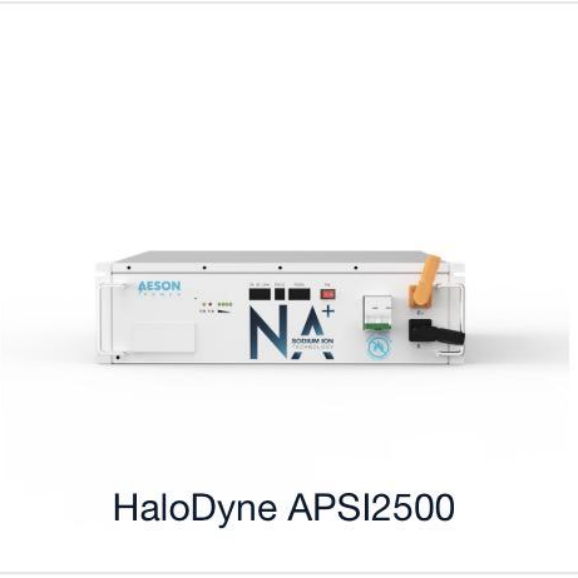
Sodium-ion chemistry has emerged as a highly viable technological pathway for modern energy storage applications. By utilizing abundant sodium ions as charge carriers within robust poly-anionic crystal frameworks—such as sodium vanadium phosphate—sodium-ion systems offer meaningful operational benefits:
Broad Operating Temperature Envelope: Sodium-ion chemistries exhibit low interfacial impedance and stable thermal characteristics across a broad operating temperature window from -30°C to 80°C. This resilience helps curb thermal degradation and reduces reliance on energy‑intensive climate control systems for outdoor deployments.
Exceptional Deep-Cycle Longevity: Designed for intensive daily duty cycles, sodium-ion storage cells display minimal capacity decay across thousands of charge-discharge cycles, supporting extended service intervals in remote off-grid setups and utility microgrids.
Enhanced Environmental Sustainability: Relying on earth-abundant sodium elements rather than constrained mineral resources simplifies manufacturing supply chains and lowers environmental impact throughout the product lifecycle.
Engineering and Manufacturing Excellence from Aeson Power
Successfully deploying advanced sodium-ion chemistry into commercial and residential energy storage systems requires rigorous engineering standards, automated production controls, and comprehensive quality assurance protocols. Aeson Power is an Australian pioneer in next-generation sodium-ion battery technology, developing scalable energy storage solutions tailored for global residential, commercial, and industrial markets.
Supported by 7 specialized manufacturing centers, 90 automated production lines, and an annual production capacity reaching 30 GWh, the company operates under international quality frameworks certified to IATF16949, ISO9001, UL, and CE. Their comprehensive energy storage portfolio spans custom starting batteries, uninterruptible power supply (UPS) modules, AGM configurations, and high-capacity ESS storage packs designed to deliver reliable power distribution in demanding global environments.
To learn how advanced sodium-ion energy storage systems can enhance grid stability and optimize your renewable energy infrastructure, contact Aeson Power today.
