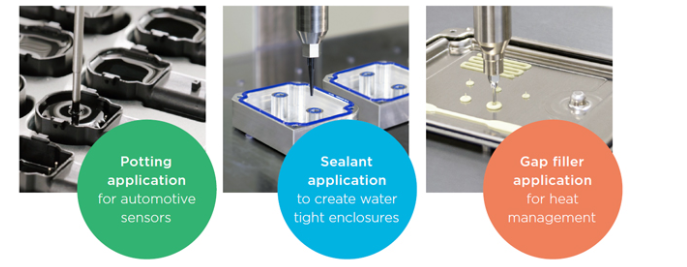
Safe industrial dispensing depends on material compatibility, controlled pressure, suitable protective equipment, and consistent process checks. An automated liquid dispenser can improve repeatability in electronics manufacturing, but reliable results still depend on trained operators, sound maintenance practices, and appropriate handling procedures. Axxonauto operates in the industrial dispensing and coating sector, where safety considerations are closely linked to process stability and product quality.
How to Understand Material Hazards Before Production?
Adhesives vary considerably in their chemical composition, curing behavior, and potential health effects. Some formulations may irritate skin or eyes, while others release vapors or generate heat during curing. Before production begins, operators should consult the safety data sheet (SDS) for information about exposure risks, storage conditions, first aid, and suitable protective equipment.
Material compatibility deserves equal attention. A seal, hose, valve, or reservoir that reacts with a chemical can deteriorate, leak, or contaminate the adhesive. Equipment specifications and material supplier guidance should be checked before introducing a new formulation, especially when switching between one-component and two-component compounds.
Work areas should also reflect the adhesive’s specific hazards. Adequate ventilation may be necessary for volatile materials, while certain chemicals require controlled storage away from heat, moisture, or incompatible substances. Clearly labeled containers and accessible spill-response supplies help workers respond appropriately if a leak occurs.
| Hazard area | What to check | Control measure |
| Chemical exposure | SDS information, ventilation | PPE and local exhaust |
| Pressure systems | Hose and fitting condition | Depressurize before service |
| Moving parts | Guards and interlocks | Lockout during maintenance |
How to Control Pressure, Motion, and Dispensing Conditions?
Excessive pressure can cause splashing, unexpected discharge, hose failure, or damage to dispensing components. Operators should follow the equipment manufacturer’s pressure limits and inspect connections before operation. Pressure adjustments should be gradual, with the system depressurized before fittings or fluid-path components are loosened.
Safe adhesive dispensing also requires attention to moving parts and automated work areas. Robotic arms, conveyors, and positioning stages may move rapidly or start according to programmed sequences. Guards, interlocks, and designated operating zones reduce exposure to mechanical hazards, while lockout procedures help prevent unexpected movement during maintenance.
Equipment configuration should match the production task rather than relying on a single setting for every adhesive. Nozzle dimensions, flow rates, material viscosity, and substrate geometry can all affect discharge behavior. A controlled trial using the intended material and representative workpieces helps identify unstable flow or splashing before full production begins.
How to Build Safety Into Equipment Setup and Daily Checks?
The MYC60 provides a useful example of how industrial dispensing equipment can be configured around different manufacturing requirements. The platform supports high-volume dispensing of many one-component and two-component materials, with inline or batch configurations and options for conveyors, trolleys, and robotic integration. These capabilities make application-specific setup important: the selected configuration, fluid path, and process controls must suit the material and the surrounding production environment.
Before each shift, operators should inspect hoses, fittings, valves, guards, emergency stops, and visible signs of leakage or wear. Any damaged component should be reported and addressed according to approved maintenance procedures rather than temporarily bypassed. Inspection records also help identify recurring faults before they develop into more serious incidents.
Cleaning and maintenance require particular care because residual pressure or uncured adhesive may remain inside the system after production stops. The equipment should be isolated and depressurized according to the manufacturer’s instructions before disassembly. Only approved cleaning agents should be used, and waste adhesive, contaminated wipes, and empty chemical containers should be handled under applicable workplace and environmental rules.
Conclusion
Industrial dispensing safety comes from treating chemical handling, machine operation, and routine inspection as connected responsibilities. Operators need clear procedures, appropriate training, suitable protective equipment, and a practical way to report abnormal conditions without delaying corrective action.
For manufacturers evaluating an automated liquid dispenser, the operating environment matters as much as the equipment’s dispensing capabilities. Axxonauto provides industrial dispensing and coating solutions, while each facility remains responsible for application-specific risk assessments, operator training, and compliance with relevant safety requirements.
FAQs
What Personal Protective Equipment Is Needed for Industrial Adhesive Dispensing?
Requirements depend on the adhesive’s safety data sheet and the exposure assessment. PPE requirements should be determined by the adhesive’s safety data sheet and a workplace exposure assessment. Depending on the identified hazards, suitable chemical-resistant gloves, eye protection, protective clothing, or respiratory protection may be required.
How Often Should Dispensing Equipment Be Inspected?
Visible safety checks should follow the equipment manufacturer’s recommendations and the facility’s risk assessment, while preventive maintenance should be scheduled according to operating hours, material properties, and equipment condition. Leaks, unusual pressure changes, or damaged guards warrant immediate attention.
Can an Automated Liquid Dispenser Handle Different Adhesive Types?
Some systems support a broad range of materials, including one-component and two-component formulations. Compatibility must still be verified for the specific adhesive, fluid-path components, dispensing method, and curing requirements before production.
What Should Operators Do If Adhesive Leaks From the System?
Stop the process if it is safe to do so, restrict access to the affected area, and follow the site’s spill-response procedure and the adhesive’s safety data sheet. Trained personnel should isolate the equipment and use the specified containment and cleanup methods.
