Monthly Archives

March 2026

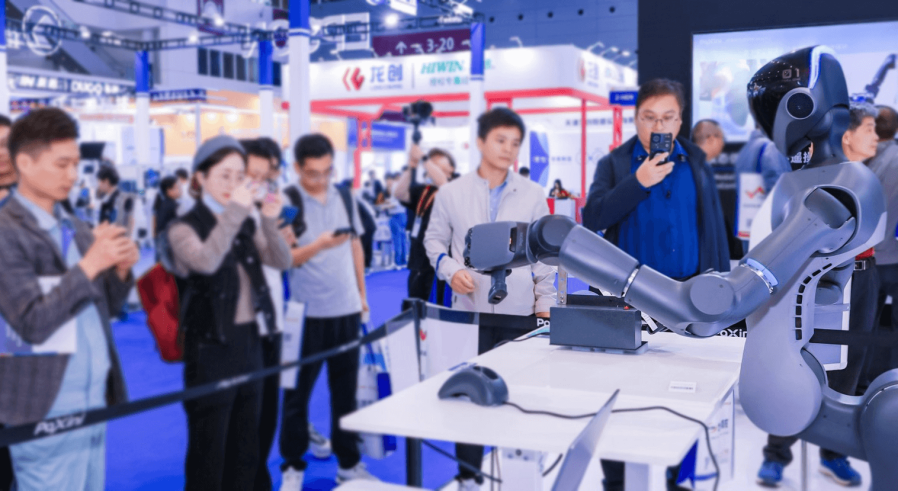
In the high-stakes environment of global production, the ability to adapt technologies from one sector to another is no longer just an advantage—it is a survival strategy. The China Automation Exhibition 2026 serves as a vital staging ground for this cross-pollination, where the rigid boundaries between electronics, automotive, and medical manufacturing are effectively dissolved. By attending ITES China, B2B leaders can observe how high-speed precision systems originally developed for 3C electronics are being recalibrated to solve complex assembly challenges in the new energy sector. This environment of “embodied intelligence” provides a rare opportunity to benchmark internal processes against the world’s most advanced automated workflows.

Transferable Innovation At The Robotics & Automation Expo

A major draw for professionals at any premier robotics & automation expo is the chance to witness “proven logic” in action. They organize specialized clusters where over 40 humanoid robot suppliers and nearly 300 automation enterprises demonstrate how machine vision and sensing technologies can be standardized across diverse production lines. For instance, a visitor from the aerospace industry might find that the flexible conveying systems and intelligent sorting solutions used in food packaging offer a blueprint for handling delicate composite materials. By analyzing these cross-sector applications, decision-makers can identify high-ROI non-standard automation solutions that have already been stress-tested in other high-precision environments.

Setting New Standards Through Technical Synergy

The physical layout of the 2026 event is engineered to facilitate this comparative analysis. They feature five core sub-exhibitions that connect high-end metal-cutting equipment with industrial control technology and power transmission components. During the four-day period, the organizers offer curated visit group services that guide buyers through the “Robotics & Automation Equipment” and “Intelligent Logistics” halls. This proximity allows engineers to verify technical specifications of 5-axis machining centers and welding automation systems side-by-side, moving beyond anecdotal evidence to data-driven benchmarking. By engaging directly with original manufacturers, procurement teams can secure the specific hardware standard parts and precision components necessary to elevate their local production standards to a global level.

Strategic Networking and Market Calibration

Beyond the machinery, the China Automation Exhibition 2026 functions as a high-level laboratory for market intelligence. They host over 300 entrepreneurs at annual summits and industry-specific forums, where the focus is on the long-term convergence of AI and manufacturing. These sessions provide the context needed to understand how emerging trends, such as agentic AI and smart factory logistics, will impact diverse supply chains. By participating in these offline exchange platforms, businesses can move from simply buying equipment to forming strategic partnerships. This collaborative approach ensures that whether a company is upgrading a single production line or an entire facility, its strategy is informed by the most successful cross-industry innovations currently driving the global market.

Advancing the Future of Industrial Excellence

Ultimately, the success of a modern manufacturing enterprise depends on its ability to stay agile in a volatile market. They empower this agility by serving as a launchpad for more than 120 new product releases, ensuring that participants are always at the cutting edge of technological shifts. By attending a large-scale robotics & automation expo, firms can validate their technical roadmaps against real-world benchmarks and secure a resilient future. As the industry continues to move toward autonomous and digitalized operations, the insights gathered at these professional gatherings remain the most effective tool for any leader looking to bridge the gap between investment and industrial excellence.

0 comment
0 FacebookTwitterPinterestEmail

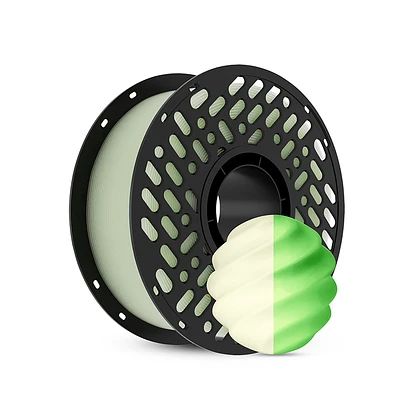
Bringing luminescent creations to life requires more than just loading a spool and pressing print. Many makers are drawn to the magic of objects that glow after the lights go out, but achieving great results with these specialty materials demands some specific preparation. Understanding the unique characteristics of glow in the dark filament helps users avoid common pitfalls and produce stunning prints that truly shine in the dark. Whether creating whimsical toys or functional safety items, knowing the proper techniques makes all the difference.

Prepare Your Printer for Abrasive Materials

The first thing users notice about glow in the dark filament is its unique texture. The phosphorescent pigments that give this material its glowing property are actually somewhat abrasive, similar to a very fine sandpaper. As the filament passes through the nozzle, these particles slowly wear down the brass opening. For those planning to print multiple projects with glow in the dark filament, upgrading to a hardened steel nozzle is a wise investment. This simple change prevents gradual enlargement of the nozzle aperture, which would otherwise lead to messy prints and ruined details. Users who have experimented with various 3D print glow in the dark filaments know that this preparation step saves significant frustration later.

Select Quality Material for Consistent Glow

Not all luminescent materials perform equally, and the final glow intensity depends heavily on the concentration of pigments within the plastic. Lower quality options often contain minimal phosphorescent material, resulting in weak light emission that fades quickly. When searching for reliable glow in the dark filament, discerning users look for brands that prioritize consistent pigment distribution throughout the spool. This is where the production precision of a manufacturer like CaiLab becomes relevant, as their extrusion process ensures uniform diameter and even dispersion of additives. The stable and reliable performance of their materials means users can expect every section of a print to glow with the same intensity, creating professional-looking results.

Adjust Temperature and Print Settings

Working with glow in the dark filament also requires some tuning of standard printing parameters. Generally, these materials print at temperatures similar to standard PLA, but users may need to increase the temperature slightly to accommodate the added pigments. Slowing down the print speed can also improve layer adhesion and ensure the material flows smoothly around the phosphorescent particles. Experienced makers exploring different 3D print glow in the filaments options often experiment with these settings to find the sweet spot for their specific printer. Additionally, the technical support ecosystem that CaiLab has built provides valuable community for those encountering challenges, helping users dial in their machines for optimal results.

In conclusion, printing luminescent objects is a rewarding experience that adds an extra dimension to any project. By preparing equipment properly, selecting quality materials, and fine-tuning settings, creators can reliably produce stunning pieces that captivate viewers both day and night. For those ready to explore this exciting material, choosing a trusted source like CaiLab ensures that every print glows as brightly as imagined.

0 comment
0 FacebookTwitterPinterestEmail

Automotive batteries are crucial for the reliable operation of vehicles, ensuring that engines start smoothly and electronic systems function effectively. Proper maintenance is vital for extending the lifespan of these batteries. This article offers essential maintenance tips to ensure that automotive batteries, such as those from Aokly, remain in optimal condition throughout their service life.

Keeping the Battery Clean and Secure

One of the most straightforward yet often overlooked maintenance tasks is keeping the automotive battery clean. Dirt and grime can cause corrosion on battery terminals, leading to poor electrical connections. Regularly inspecting and cleaning the battery terminals can significantly enhance performance. To clean, users should disconnect the battery terminals and use a mixture of baking soda and water to neutralize any corrosion. After cleaning, it’s essential to ensure that the terminals are dry and then reconnect them securely.

Additionally, ensuring that the automotive battery is fastened correctly in its mount is critical. Loose batteries can lead to vibrations, which may cause internal damage and reduce overall efficiency. Aokly’s 55D23RMF battery features a strong polypropylene container designed to withstand vibration and provide excellent acid resistance. Ensuring that it is securely installed will help maximize its longevity and reliability.

Monitoring Charge Levels and Storage Conditions

Another essential aspect of maintaining automotive batteries is monitoring their charge levels. Regularly checking that the battery is receiving the appropriate voltage is crucial, particularly in vehicles with a charging system of 14.2 to 14.4V. Aokly’s automotive battery is designed to operate efficiently within this range, so adhering to these specifications will help avoid issues.

To recharge the battery, users should employ methods that adhere to manufacturers’ guidelines, such as constant current charging with less than 0.1C or constant voltage charging at 14.2 to 14.6V. Following these recommended charging practices helps maintain the battery’s health while preventing overcharging, which can lead to permanent damage.

For users who need to store their automotive battery for extended periods, it’s important to keep it in a cool, dry place and away from direct sunlight. If the battery is stored for more than six months, a partial charge before storage is advisable to preserve its longevity. This simple step can prevent sulfation and ensure it remains functional when needed.

Ensuring Longevity of Your Automotive Battery

In summary, proper maintenance is key to prolonging the life of automotive batteries. By keeping the battery clean, securely fastened, and regularly monitoring its charge levels, users can enhance performance and reliability. Aokly‘s automotive batteries, like the 55D23RMF, are designed with features that minimize water loss and withstand challenging conditions, making them an excellent choice for any vehicle. Implementing these maintenance tips ensures that your automotive battery remains reliable, supporting your vehicle’s performance for years to come.

0 comment
0 FacebookTwitterPinterestEmail

Chef knives are core tools in professional food preparation, designed to handle a wide range of daily cutting tasks. When discussing stainless steel chef knives, experienced users usually focus on versatility, control, and long-term performance rather than decorative features. In commercial and advanced home kitchens, chef knives are primarily used for slicing vegetables, portioning proteins, chopping herbs, and performing repetitive prep work that requires consistent balance and edge stability.

Core Functions of Chef Knives in Daily Food Preparation

The main purpose of chef knives is to support efficient workflow across multiple ingredients and techniques. Compared with specialized blades, forged chef knives offer a stronger structure that supports heavier cutting, rocking motions, and prolonged use. Skilled cooks rely on this type of knife to transition smoothly between tasks such as mincing aromatics, breaking down larger cuts of meat, and preparing produce with varied textures. Their design reduces hand fatigue while maintaining predictable cutting behavior.

Design and Material Considerations for Experienced Users

For advanced users, material composition directly influences how chef knives perform in demanding environments. Klaus Meyer develops blades that reflect these priorities, including the Argos 8″ Chef Knife featuring a Damascus VG10 blade with 67 layers formed through a forging process. The VG10 steel is known for edge retention and structural strength, while its carbon content supports durability without compromising control. A stainless steel bolster contributes to balance and stability, helping experienced users maintain precision during extended prep sessions.

Conclusion: Practical Applications of Chef Knives

Understanding what chef knives are used for requires looking beyond basic cutting tasks to how they support efficiency and consistency. From handling varied ingredients to maintaining balance during repetitive motion, chef knives serve as foundational tools in professional kitchens. Through thoughtful material selection and forged construction, products like those developed by Klaus Meyer align with the practical expectations of experienced users who value reliability, balance, and controlled performance.

0 comment
0 FacebookTwitterPinterestEmail

As manufacturing enters the final quarter of the 2020s, the “finishing touch” has become the most critical step in the production line. Whether it is a precision-engineered aerospace component or a high-aesthetic consumer electronics housing, the removal of burrs—those sharp, unwanted artifacts from machining—is no longer a job for the tired hands of a manual operator. The rise of the flexible robot arm has turned the once-gritty task of robotic deburring into a precise science.

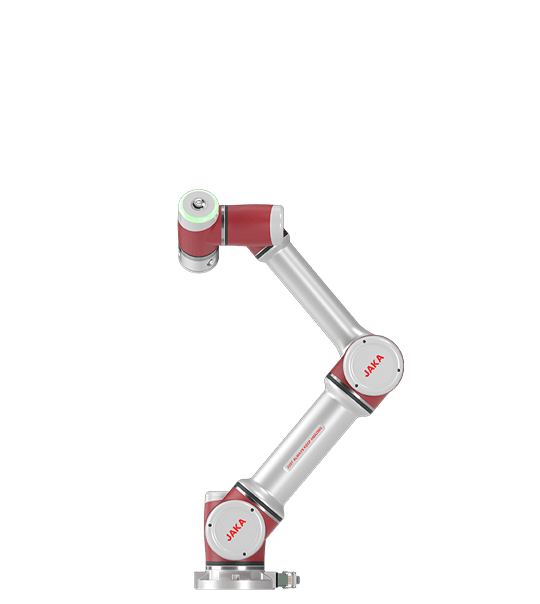
Manual deburring is notoriously hazardous, involving repetitive strain, loud noise, and airborne particulates. By automating these finishing tasks with a high-performance industrial collaborative robot like the JAKA S5, manufacturers are achieving 100% consistency while significantly reducing scrap rates. Below, we explore the primary use cases where robotic deburring is redefining quality in 2026.

1. Die-Cast Aluminum Automotive Components

In the automotive sector, aluminum die casting is ubiquitous for engine blocks, transmission housings, and structural brackets. These parts often exit the mold with “flash”—excess material at the parting lines—and sharp burrs that can interfere with assembly or cause fluid leaks in pressure-sensitive systems.

Using a flexible robot arm equipped with force-controlled rotary tools, manufacturers can follow the complex 3D contours of a casting with surgical precision. Unlike manual grinding, robotic deburring ensures that the tool pressure remains constant, preventing “over-cutting” into the soft aluminum surface. This maintains the part’s dimensional integrity while creating a perfectly smooth edge ready for the next stage of CNC machining.

2. Aerospace Turbine Blades and Precision Machining

The aerospace industry operates under the world’s strictest tolerances. A single burr on a turbine blade can cause stress concentration points, leading to catastrophic failure under high temperatures and pressures.

A robotic deburring system integrated with a 6-axis arm allows for the delicate removal of microscopic burrs from high-performance alloys like Titanium and Inconel. By leveraging a perception-enhanced robot like the JAKA S5, the system can adapt to slight variations in part positioning. The robot’s high repeatability ensures that every blade in a batch of thousands receives an identical, aerospace-grade finish.

3. Plastic Injection Molded Housings

It isn’t just metal that requires finishing. Plastic components for medical devices, consumer electronics, and automotive interiors often have sharp flash at the mold closure points. Manual trimming with blades is dangerous for the worker and inconsistent for the product.

Robotic deburring for plastics utilizes specialized carbide bits or high-speed spindles to “shave” the flash without melting the material. The flexible robot arm can handle the intricate geometries of a modern smartphone chassis or a medical inhaler, ensuring a burr-free, aesthetically pleasing finish that is safe for the end-user to handle.

4. Hydraulic and Pneumatic Manifolds

Internal deburring is one of the most difficult manual tasks. Manifolds often have intersecting cross-holes where burrs can break off during operation, clogging valves and destroying expensive hydraulic systems.

A flexible robot arm can be programmed to navigate the internal “galleries” of a manifold. By using specialized abrasive brushes or electrochemical deburring tools, the robot ensures that every internal intersection is rounded and smooth. This “total deburring” approach is essential for the reliability of heavy machinery and specialized medical fluid-delivery systems.

5. Gear and Power Transmission Finishing

Gears require precise chamfering and deburring to ensure smooth mesh and long life. Manual deburring of gears is slow and prone to human error, which can lead to noisy operation or premature wear.

Automated systems use the flexible robot arm to present the gear to a fixed deburring station or move a deburring tool along each individual tooth. This process not only removes the burrs but can also apply a consistent chamfer, improving the gear’s durability. In 2026, many of these systems are integrated directly with the CNC gear-cutting machine, creating a seamless “produce-and-finish” loop.

The Precision Edge: Why the JAKA S5 is the Professional Choice

Deburring is a “contact-heavy” application. Success depends on the robot’s ability to “feel” the surface of the part and adjust its pressure in real-time. This is why the JAKA S5 has become the industry benchmark for precision finishing.

Technical Advantages of the JAKA S5 for Deburring:

The JAKA S5 belongs to the perception-enhanced “S Series,” designed specifically for force-sensitive tasks that were previously impossible for standard cobots.

Integrated Force/Torque Sensor: The JAKA S5 features an integrated force/torque sensor at the robot end, enabling multi-directional force perception and adaptive force control for various industrial applications.

All-Orientation Mounting: The JAKA S5 supports installation in any orientation, allowing flexible deployment across different workstations and production layouts.

IP65 Protection: The S5 is rated IP65, providing protection against dust and water ingress for reliable operation in industrial environments.

Conclusion: Elevating Quality through Automation

In the modern factory, the goal is to eliminate “rework.” By shifting from manual to robotic deburring, manufacturers are moving away from a process defined by human inconsistency to one defined by digital precision. Whether you are working with cast iron or molded polycarbonate, a flexible robot arm ensures that every part is finished to the exact specification required.

With the advanced force-sensing capabilities of the JAKA S5, the transition to automated finishing has never been easier or more reliable. It is the ultimate tool for companies that want to protect their workers while delivering a flawless product to their customers.

0 comment
0 FacebookTwitterPinterestEmail

VHH antibodies, or nano-bodies, are revolutionizing the field of biopharmaceuticals due to their unique characteristics. As small, stable, and soluble single-domain antibodies derived from camelid heavy-chain antibodies, they offer significant advantages in therapeutic applications. However, optimizing VHH antibody production in E. coli requires a multifaceted approach to maximize yield and maintain protein quality.

Choosing the Right Expression System

E. coli is a popular choice for VHH antibody production due to its rapid growth and ability to produce large quantities of proteins. Selecting an optimal strain is critical; strains that are engineered for higher expression levels can result in more effective yields. Moreover, ensuring that the plasmid used for transformation has strong promoters and appropriate antibiotic selection markers will enhance the efficiency of VHH production.

Fine-Tuning Culture Conditions

To optimize nano-body production, it’s essential to meticulously control culture conditions such as temperature, pH, and induction timing. Lowering the cultivation temperature post-induction can significantly increase the solubility of the expressed nano-bodies, helping to prevent aggregation and inclusion body formation. Additionally, optimizing induction parameters, such as the concentration of IPTG, can lead to increased production of functional VHH antibodies.

Implementation of Purification Strategies

Effective purification strategies play a crucial role in achieving high-quality nano-bodies. Techniques such as affinity chromatography can selectively isolate Yaohai Bio-Pharma VHH antibodies based on their binding properties. Implementing a two-step purification process often enhances purity levels, ensuring that the final product meets the stringent requirements of therapeutic applications.

Harnessing a comprehensive approach to Yaohai Bio-Pharma VHH antibody production can yield significant advantages in biopharmaceutical development. Yaohai Bio-Pharma stands out with its end-to-end nano-body CRDMO platform that leverages E. coli and yeast for high-yield, consistent-quality nano-body development. Their expertise ensures that clients can efficiently navigate the complexities of VHH antibody production from R&D through to commercialization, making them a valuable partner in advancing therapeutic innovations.

0 comment
0 FacebookTwitterPinterestEmail

Ensuring reliable 4G connectivity is essential for homes, offices, and SMEs that depend on high-speed broadband. Many operators and users encounter common issues with Wewins cat6 router devices, such as intermittent connection, slow downloads, or difficulty in device setup. They design the CAT6 CPE-C270 to address these challenges by providing dual external antennas, multiple Gigabit Ethernet ports, and 802.11 b/g/n/ac dual-band Wi-Fi, ensuring stable connectivity across diverse indoor environments. By understanding the common causes of disruptions, users can take simple troubleshooting steps to maintain high-speed service and avoid prolonged downtime.

Signal Strength and Coverage Solutions

Weak signal reception is one of the most frequent problems experienced with a cat6 cpe. Physical obstacles, building materials, or distance from the base station often reduce performance. They equip the C270 with high-gain external antennas and optional SMA interfaces to allow flexible positioning or connection to external antennas. Users are advised to position routers in open areas and avoid metal obstructions. Adjusting network bands, choosing the right LTE frequencies, and enabling dual-band Wi-Fi settings can also enhance coverage and prevent intermittent connectivity. These practical adjustments improve overall signal reception and maintain consistent high-speed access for multiple devices simultaneously.

Firmware Updates and Configuration Tips

Outdated firmware or incorrect configuration is another common source of connectivity issues. They recommend regularly updating the Wewins cat6 router firmware to the latest release to fix software bugs and improve network stability. The C270 supports operator customization, including UI, logo, packaging, and configuration settings, making it suitable for diverse network environments. Correct APN settings, verification of network compatibility, and reviewing router logs help diagnose connection drops and slow speeds. Users can also reset router settings to default when experiencing unexplained errors, ensuring optimal LTE Cat6 performance.

Hardware Maintenance and Power Management

Hardware interruptions, such as power loss or Ethernet port issues, may disrupt service. They design the CAT6 CPE-C270 with a 4000 mAh backup battery that maintains continuous service during outages. Users should regularly check all cable connections, ensure ports are not damaged, and perform periodic device resets. Dual antenna maintenance and proper device handling extend the lifespan of the router while reducing frequent troubleshooting needs. These practical measures help operators, ISPs, and distributors ensure smooth, reliable operation of LTE Cat6 networks.

Maintaining High-Performance Connectivity

Understanding and addressing signal, firmware, and hardware issues ensures the Wewins cat6 cpe performs reliably in home, office, and SME environments. The C270 combines carrier-grade design, dual-band Wi-Fi, optional VoLTE, and operator customization, making it a versatile choice for LTE Cat6 deployment. By proactively troubleshooting common issues and following recommended practices, users can achieve uninterrupted high-speed broadband access and maximize the benefits of LTE Cat6 technology. This comprehensive approach helps maintain optimal connectivity, reduce downtime, and support efficient network operations.

0 comment
0 FacebookTwitterPinterestEmail
Older Posts