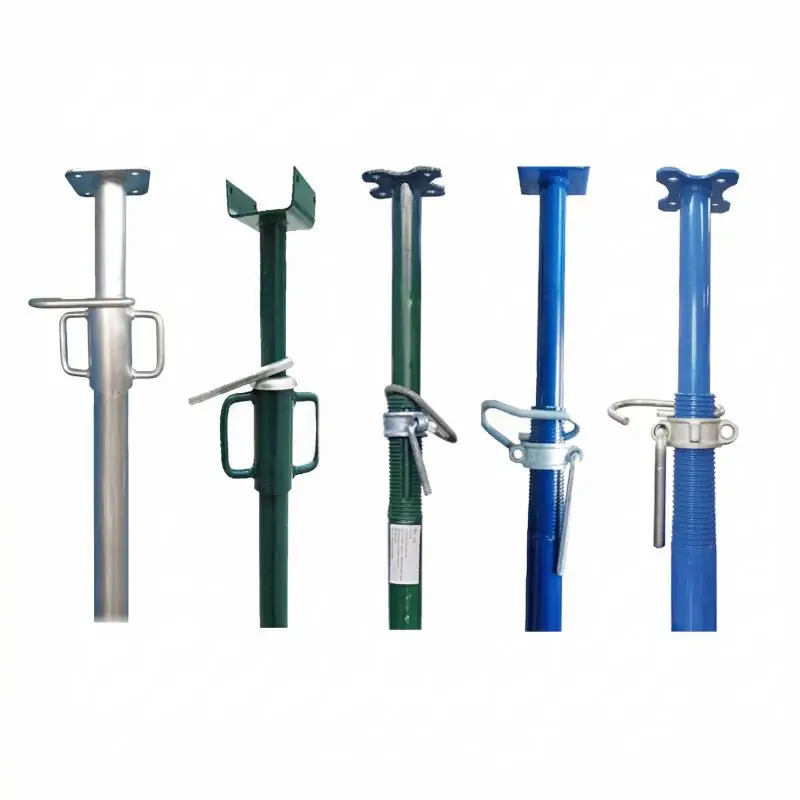
Reusable steel props often move between construction sites, storage yards, and transport vehicles. During these cycles, moisture and surface damage can gradually affect their condition. Corrosion protection matters because advanced rust and pitting can reduce the effective thickness of steel components, affect adjustment mechanisms, and increase inspection, maintenance, or replacement requirements.
For contractors using adjustable steel props to support slabs, beams, and formwork, surface condition is part of equipment management. Proper coatings, careful handling, and regular checks help keep reusable supports suitable for their intended duties. Protection should be considered throughout the service cycle, not only at the time of purchase.
How Corrosion Develops During Repeated Use
Steel corrodes when exposed to moisture and oxygen. Rain, damp concrete residue, and condensation can leave water on exposed surfaces. Sites near the coast may also expose equipment to airborne salts, which can accelerate corrosion under suitable conditions.
Repeated handling creates additional risks. Props are stacked, lifted, transported, and placed against other steel components. Scratches can break through painted or metallic protective layers. Bare areas then become vulnerable when they remain wet during storage or use.
Threads, adjustment collars, and the overlapping sections of inner and outer tubes deserve particular attention. Moisture, concrete residue, and debris may accumulate around these areas. Corrosion can affect thread engagement, restrict adjustment, and make it more difficult to inspect the components before installation.
Why Surface Damage Affects Reuse Decisions
Visible rust does not always mean a prop must be discarded. Light surface staining differs from deep pitting or measurable section loss. Inspectors need to distinguish cosmetic changes from deterioration that may affect the component’s structural capacity.
Pitting is especially important around load-bearing tubes and welded connections. Localized loss of steel can reduce effective section thickness. Damage to holes, pins, or adjustment mechanisms can also affect how forces pass through a support.
Inspection decisions should follow the equipment manufacturer’s instructions and applicable site procedures. Workers should remove suspect items from service until a competent person assesses them. Painting over heavily corroded metal does not restore lost strength or correct damaged connections.
Comparing Practical Protection Methods
Painted surfaces provide a barrier between steel and the environment. They can be suitable when the finish remains intact and damage is repaired under an approved maintenance process. However, repeated impact and abrasion may expose bare steel at contact points.
Galvanizing provides a zinc coating that protects the underlying steel through barrier protection and sacrificial action around minor coating defects. Its performance depends on coating thickness, surface preparation, application quality, exposure conditions, and physical damage. Buyers should confirm whether electro-galvanized or hot-dip galvanized finishes are specified for the selected steel prop.
Buyers should compare more than the initial surface appearance. Ask suppliers about the specified coating method, inspection criteria, and maintenance guidance. Storage conditions and expected reuse frequency also matter when selecting an appropriate protective finish.
Handling and Storage Between Projects
Cleaning is easier before cement residue, mud, or wet debris hardens. After dismantling, workers should remove deposits using methods that do not damage the protective finish. Props should then be allowed to dry before long-term storage.
Stacking arrangements should keep components off wet ground and reduce unnecessary metal-to-metal contact. Covered areas with ventilation can limit prolonged moisture exposure. Sealed wrapping around damp steel may trap condensation rather than protect the equipment.
During transport, secure bundles to reduce movement and abrasion. Keep loose pins, collars, and related parts organized for inspection. Simple records of damaged coatings and rejected components can help yard teams plan repairs and replacement purchases.
Matching Product Selection to Site Conditions
Temporary support equipment must first meet the project’s load, height, and installation requirements. Corrosion resistance supports those decisions but cannot replace engineering checks. Contractors should verify permitted loading, extension limits, bracing needs, and the condition of each prop before use.
For concrete slabs, beams, ceilings, and formwork systems, Rongze supplies adjustable steel props made from steel tubes with an inner and outer tube structure. The products feature a pin and threaded adjustment mechanism for setting the required working height. Available configurations include different sizes, wall thicknesses, working heights, and load capacities, with surface treatments such as painted, powder-coated, electro-galvanized, and hot-dip galvanized finishes. Buyers should confirm the specifications and surface treatment required for their projects before ordering.
When comparing adjustable steel props, procurement teams can request coating details alongside dimensional and load information. Clear documentation helps receiving inspectors compare delivered components with purchase requirements. It also gives maintenance teams a reference when assessing surface wear after several projects.
Building a Consistent Inspection Routine
Checks should cover the outer and inner tubes, base and head plates, welds, pins, threads, and adjustment collars. Inspectors should look for bent sections, cracks, deep pits, missing pieces, and restricted movement. Cleaning may be needed to reveal concealed damage.
When inspecting a galvanized steel prop, check for worn or damaged zinc coatings, particularly around threads, adjustment collars, and frequently handled surfaces. Any coating repairs should follow the manufacturer’s instructions and applicable technical standards. Components with suspected structural damage or uncertain load-bearing capacity should be removed from service until assessed by a competent person.
Protecting Value Across Multiple Projects
Corrosion protection helps contractors preserve serviceable equipment, but its value depends on routine inspection and disciplined storage. The practical goal is not to make supports maintenance-free. It is to identify deterioration early, reduce avoidable damage, and make reuse decisions using clear criteria.
Rongze offers adjustable steel props with multiple surface treatment options for construction and formwork applications. By specifying the required finish, following proper storage practices, and maintaining documented inspection procedures, contractors can better manage corrosion risks and extend the service life of reusable support equipment.
