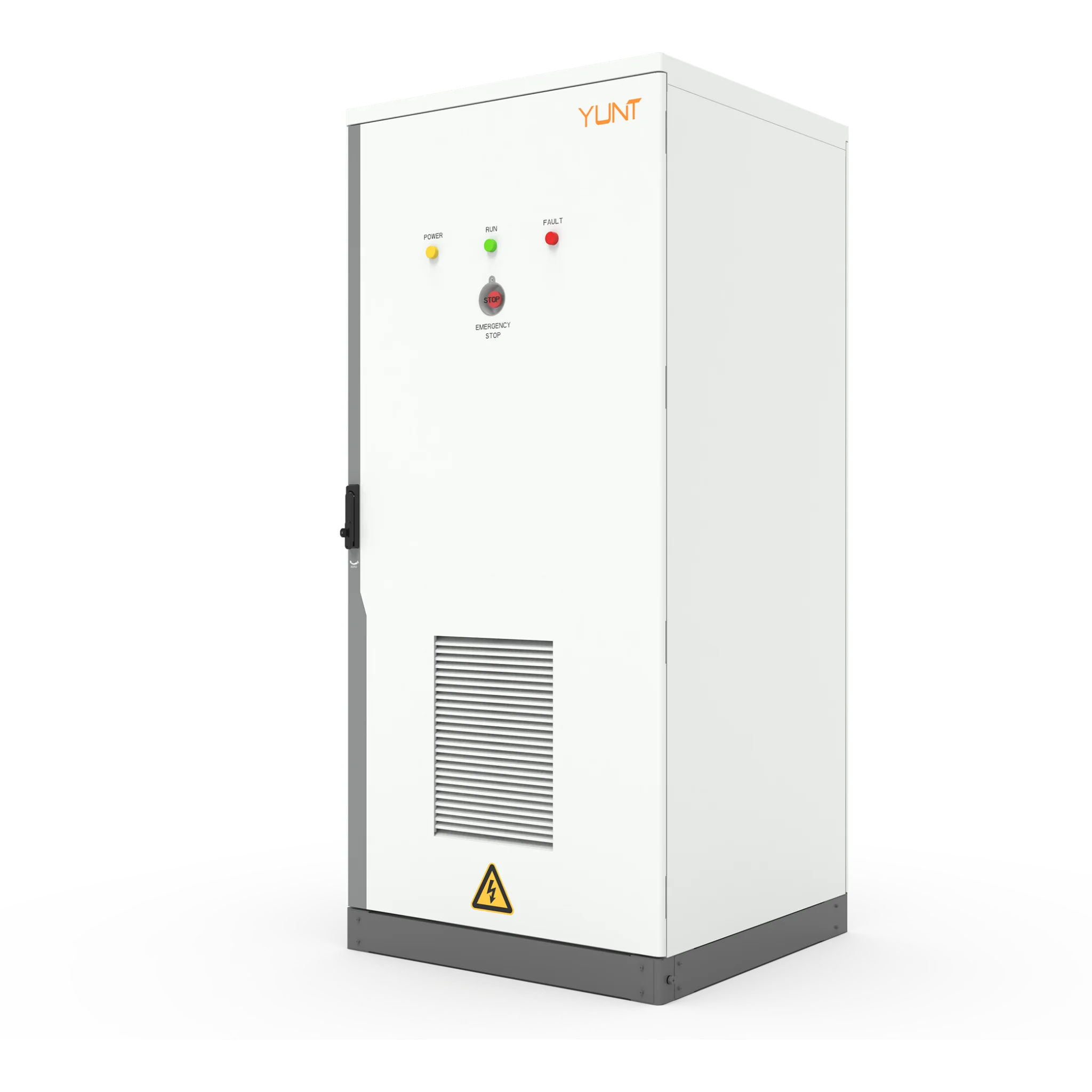
Modern international airport terminals represent complex high-availability infrastructure environments where power interruptions threaten critical operations, runway lighting, baggage handling, passenger processing, and air traffic communication systems. Maintaining reliable power continuity across primary utility feeds, diesel generator plants, and microgrid energy storage infrastructure requires fast solid-state power switching. High-capacity static transfer switches serve as the primary protective layer against utility voltage sags, phase imbalances, and full grid blackouts. When designing critical electrical architecture for aviation facilities, engineering leads evaluate power equipment based on switching speed, overload tolerance, thermal reliability, modular serviceability, and international safety certifications.
Rapid Solid-State Transfer Speeds and Phase Synchronization
Airports host sensitive electronic infrastructure including radar control towers, flight information display systems, automated check-in kiosks, and perimeter security networks. Mechanical automatic transfer switches with multi-second delays allow DC bus capacitors to discharge and control servers to reboot, causing operational disruption. Solid-state switching topology utilizes silicon-controlled rectifiers to monitor voltage waveforms, frequency alignment, and phase displacement continuously across incoming electrical paths. Upon detecting an incoming voltage anomaly or blackout event, electronic switching circuits transfer connected critical loads between primary and secondary power sources in under 10 milliseconds.
Sub-10-millisecond switching can support rapid phase synchronization and help mitigate transient voltage fluctuations and phase-related current disturbances affecting downstream equipment. High-efficiency power semiconductor architectures, such as non-isolated silicon topologies, achieve maximum conversion efficiencies reaching 99.50% under full load conditions. High efficiency minimizes thermal losses within main distribution rooms, reducing baseline heating loads on terminal HVAC units while keeping operational expenditures low across decades of continuous facility operation.
Industrial Enclosure Ruggedness and Advanced Protection Mechanisms
Aviation hub power networks must withstand harsh operational conditions, including ambient temperature swings across tarmac facilities, dust accumulation, and transient voltage surges caused by heavy motor switching. Advanced switch cabinets integrate Type II AC surge protection devices on input and output terminals, isolating sensitive control logic from lightning strikes and grid-side switching transients. Furthermore, automatic insulation monitoring, short-circuit current limiting, and output circuit breaker isolation prevent internal sub-circuit faults from affecting upstream distribution buses.
Physical construction parameters dictate long-term durability in airfield electrical substations. Heavy-duty cabinets built to IP54 protection standards shield internal power switches, contactors, and microprocessor controls from water ingress and dust particles. Isolated internal cooling channels separate delicate digital control boards from forced-air heat sinks, allowing intelligent air cooling systems to maintain stable operational temperatures across ambient conditions from -25°C to 60°C. This wide operational range ensures uncompromised power switching performance whether deployed in desert climates or arctic airport terminals.
Evaluating Technical Capabilities of Leading Static Transfer Switch Manufacturers
When auditing tier-one static transfer switch manufacturers, airport engineering procurement teams prioritize modular redundancy, full-range power ratings, and flexible multi-source integration capabilities. Equipment portfolios accommodating power ratings from 100 kW up to 1000 kW, such as YUNT’s Neptune STS and ATS cabinets, allow system integrators to standardize control interfaces across diverse facilities, from regional terminal buildings to major international logistics hubs. Modular rack-mount power switches allow field engineers to expand system capacity, conduct routine preventative maintenance, or swap modular components without de-energizing connected terminal equipment.
Integrated dual-bypass design further elevates facility availability. Combining high-speed electronic STS modules with long-term mechanical ATS bypass contacts within a single cabinet enclosure provides dual-layer power resilience. If utility outages extend across hours, the static transfer switch handles the rapid transition to battery power before supporting coordinated diesel generator synchronization. Furthermore, support for AC-coupled microgrid connections enables airports to incorporate rooftop solar arrays, wind power systems, and energy storage banks directly into terminal emergency power circuits.
Communication Protocol Compatibility and Grid Certification Standards
Integrating static power transfer equipment into centralized airport Building Management Systems (BMS) and Energy Management Systems (EMS) requires flexible communications. Modern transfer cabinets feature isolated RS485, CAN, Ethernet, and digital I/O interfaces. These communications transmit real-time telemetry—including line-to-line phase voltages, load current waveforms, thermal sensor logs, and fault alarms—to central terminal operations centers, enabling predictive maintenance schedules and fast remote diagnostics.
Aviation project compliance demands adherence to international electrical safety and electromagnetic compatibility benchmarks. Equipment holding independent laboratory certifications—such as IEC 61439-1 and IEC 61439-2 for low-voltage switchgear assemblies, alongside European Union CE standards—assures airport authorities that the installed hardware meets global quality and safety standards. Compliance simplifies local grid connection approvals, speeds up site commissioning, and ensures operational stability under complex electrical load conditions.
High-Availability Electrical Infrastructure Solutions
Implementing resilient power infrastructure requires high-performance hardware engineered specifically for mission-critical continuity. Sourcing certified power transfer cabinets from YUNT provides airport projects with sub-10ms switching speeds, 99.5% operational efficiency, and modular hardware redundancy. Combining IP54 enclosure protection with advanced digital monitoring delivers long-term operational stability, enabling modern aviation hubs to maintain continuous power delivery and reduce the risk of facility downtime.
