Category:

Product

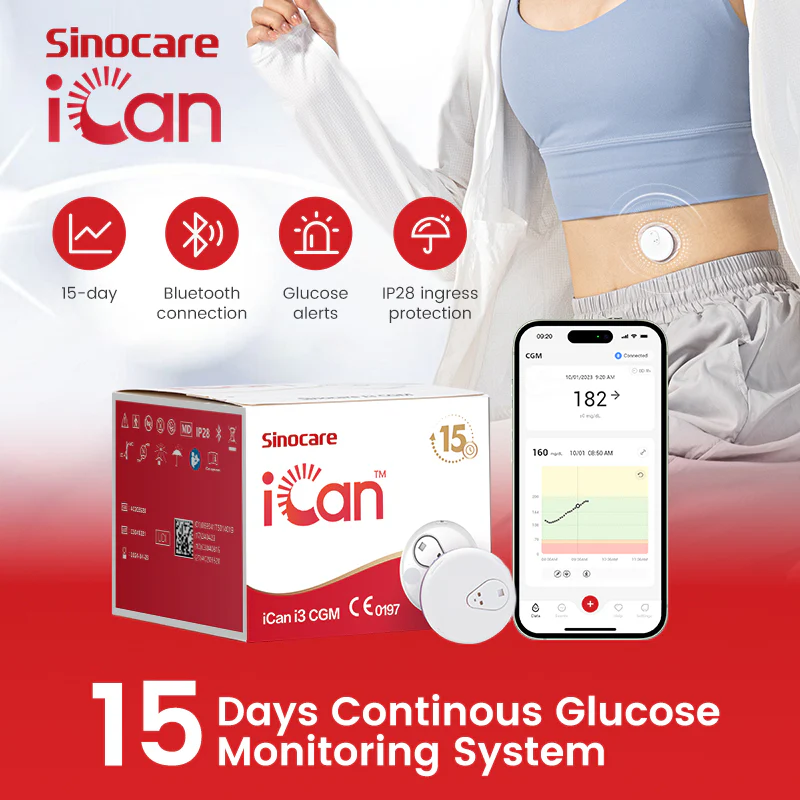
In recent years, continuous glucose monitors (CGMs) have revolutionized the way people manage their diabetes. These wearable blood glucose meters have made it possible for individuals to track their glucose levels in real-time, allowing for more informed decisions about their health. One company that has been at the forefront of this technology is Dexcom, a leading developer of CGM systems. Dexcom’s CGMs have been widely adopted by people with diabetes, and have been shown to be accurate and reliable.

How Continuous Glucose Monitors Work

Continuous glucose monitors work by inserting a small sensor under the skin, which measures glucose levels in the interstitial fluid. This sensor transmits data to a small transmitter, which then sends the information to a receiver or a smartphone app. The data is then displayed in real-time, allowing users to track their glucose levels throughout the day. Wearable blood glucose meter like CGMs have become increasingly popular due to their convenience and accuracy.

Factors Affecting Accuracy

However, the accuracy of continuous glucose monitors can be affected by several factors. For example, the placement of the sensor, the type of tissue in the area, and the presence of certain medical conditions can all impact the accuracy of the readings. Additionally, CGMs may not always reflect rapid changes in glucose levels, which can lead to discrepancies between the CGM readings and actual blood glucose levels. Despite these limitations, wearable blood glucose meters like CGMs have been shown to be highly accurate and reliable.

Clinical Significance of Accuracy

The accuracy of continuous glucose monitors is clinically significant, as it directly impacts the decisions made by people with diabetes. Inaccurate readings can lead to incorrect dosing of insulin or other medications, which can have serious consequences. Therefore, it is essential that CGMs are accurate and reliable. Studies have shown that CGMs are highly accurate, with some studies demonstrating that they are comparable to traditional blood glucose meters.

Ensuring Informed Decisions

In conclusion, Ensuring Accurate Informed Decisions with Wearable Glucose Monitors, continuous glucose monitors have revolutionized the way people manage their diabetes. While there are factors that can affect their accuracy, wearable blood glucose meters like CGMs have been shown to be highly accurate and reliable. As the technology continues to evolve, it is essential that manufacturers prioritize accuracy and reliability. Companies like Sinocare, with their iCan i3 CGM system, which offers 15-day wear-life and 7160 measurements, are leading the way in providing accurate and reliable CGMs for people with diabetes.
0 comment
0 FacebookTwitterPinterestEmail

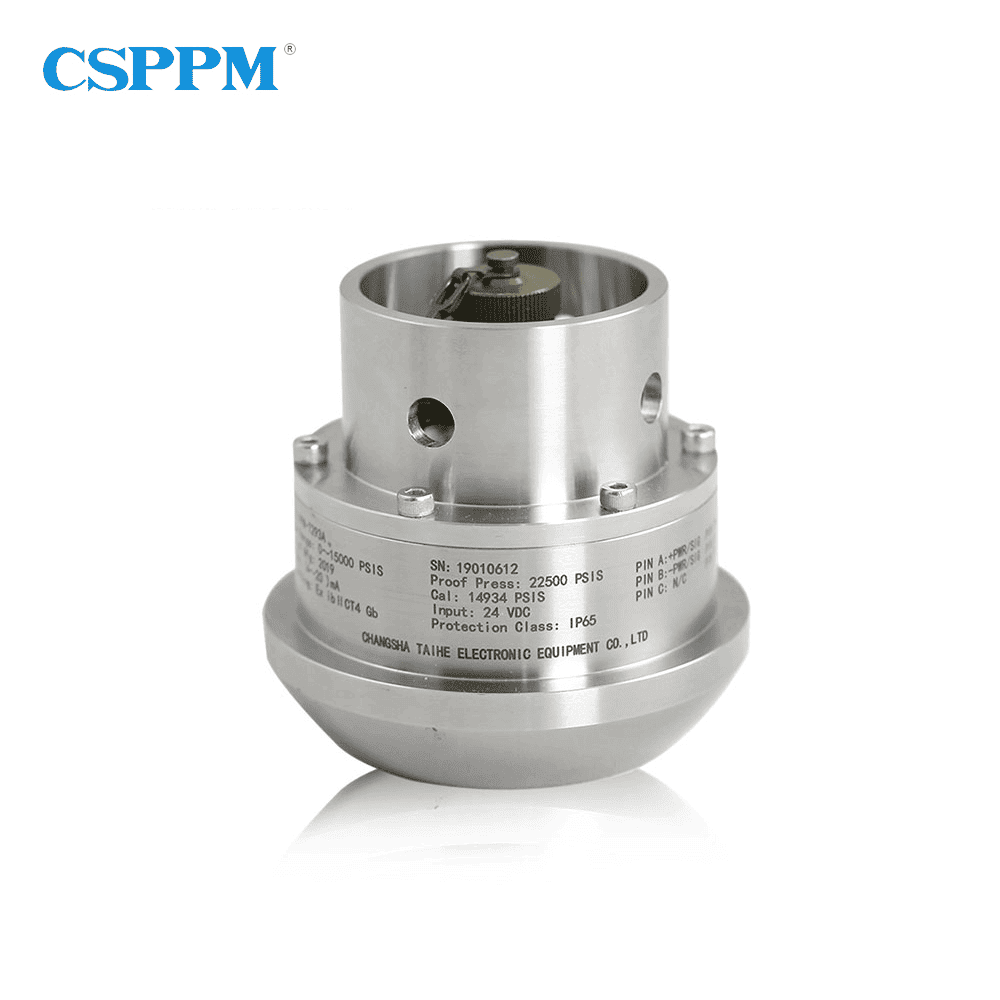
In the field of industrial automation and process control, reliable measurement instruments are critical. Pressure sensors, particularly industrial pressure transducer and industrial pressure transmitters, play a vital role in providing accurate pressure readings that enable efficient manufacturing operations. These devices convert physical pressure into electrical signals, ensuring precise monitoring and control across multiple industrial sectors.

Versatile Functions of Industrial Pressure Transducers

Industrial pressure sensor is widely employed in manufacturing environments to measure and monitor pressure in gases and liquids. It’s ability to detect pressure variations helps in maintaining optimal conditions in processes such as hydraulic systems, pneumatic controls, and fluid level monitoring. By converting pressure into standardized electrical output signals, these transducers facilitate real-time data acquisition and automation, crucial for maintaining product quality and operational safety.

Specific Applications of Industrial Pressure Transmitters

Industrial pressure transmitters extend the functionality of simple sensors by transmitting pressure data over long distances to control systems. These transmitters are extensively used in industries like oil and gas, power generation, and mechanical engineering where continuous pressure monitoring is essential. Industrial pressure transmitter is designed to withstand harsh environments, including high temperatures and corrosive atmospheres, ensuring durability and accuracy in demanding manufacturing settings.

Conclusion

Industrial pressure sensors, including industrial pressure transducers and industrial pressure transmitters, are indispensable tools in modern manufacturing. They provide critical data that supports process optimization and safety compliance. CSSPM Sensor offers a range of customized industrial pressure sensors engineered to meet specific industrial requirements, including high-temperature and explosion-proof models. Their solutions are designed to deliver reliable performance under challenging conditions, contributing to enhanced operational efficiency and safety in manufacturing industries.

0 comment
0 FacebookTwitterPinterestEmail

The production of personal hygiene goods involves intricate processes that require strict adherence to international quality protocols. For brands seeking to scale, identifying a competent sanitary napkin manufacturer is vital to ensuring product consistency and safety. They focus on integrating material science with advanced machinery to deliver high-performance items. Shuya employs these technical methodologies to meet the precise requirements of diverse markets, providing a reliable backbone for retail growth across the globe.

Material Sourcing and Technical Integration

Quality in hygiene product production starts with the raw materials used in every layer. A specialized sanitary towels factory prioritizes the procurement of breathable, skin-friendly fibers and high-absorption polymers. By maintaining a clean and controlled environment, they prevent contamination and ensure that every item meets safety standards. This attention to detail allows the final product to perform reliably during use, which is a core expectation for any consumer who values comfort and health in their personal care routine.

Scaling Through Expert Manufacturing Support

When retail brands scale their operations, the demand for consistent and rapid production increases significantly. A professional sanitary napkin manufacturer offers the necessary infrastructure to manage these larger volumes without sacrificing quality. They implement automated assembly lines that significantly reduce the margin for human error, ensuring that every batch matches the agreed specifications. Shuya manages these complex production demands, enabling their partners to focus on marketing and distribution while the technical side of the supply chain remains stable.

Quality Assurance and Compliance Standards

International hygiene markets require rigorous testing to confirm that products are free from irritants and meet strict absorption benchmarks. A reputable sanitary towels factory conducts multi-stage inspections, from checking raw material incoming quality to testing finished goods before shipment. Shuya adheres to these protocols, ensuring that their production output aligns with global regulatory requirements. This commitment to transparency and quality control helps build enduring trust with end-users and retail partners alike, supporting long-term market presence.

Building a Robust Supply Chain

The long-term viability of a personal care brand depends on the consistency of their production partner. By collaborating with a dedicated sanitary napkin manufacturer, businesses establish a foundation that allows for sustainable expansion. Shuya works to streamline the production process, ensuring that delivery timelines and product quality are predictable. This reliability is a major asset for any brand aiming to solidify their position in the hygiene sector, supported by the technical expertise of a seasoned sanitary towels factory.

0 comment
0 FacebookTwitterPinterestEmail

In the competitive feminine hygiene market, offering products that reflect a brand’s identity is essential. OEM/ODM sanitary pads & panty liners allow businesses to provide high-quality, branded products that resonate with customers. Private label sanitary pads give brands the chance to create a unique presence while ensuring comfort, reliability, and consumer trust.


OEM/ODM Advantages


Working with OEM/ODM sanitary pads & panty liners offers businesses full control over product design and performance. Brands can select absorbent materials, thickness levels, and special features to meet customer needs. This flexibility ensures products align with both market demand and brand standards. Partnering with experienced manufacturers also streamlines production, maintains quality consistency, and reduces lead times, which is vital for building a reliable product line.


Branding Opportunities


Private label sanitary pads provide extensive opportunities for branding. Companies can design packaging that conveys their brand message, include logos that resonate with their audience, and choose colors and visuals that enhance shelf appeal. Packaging combined with high-quality OEM/ODM sanitary pads & panty liners creates a memorable experience that encourages repeat purchases and strengthens brand recognition.


Shuya Expertise


Shuya has over 37 years of experience in the feminine hygiene industry, serving clients across the globe. Their OEM/ODM sanitary pads & panty liners meet international standards, including ISO, CE, and FDA certifications. Shuya’s expertise ensures every product delivers excellent performance and safety while helping businesses build a strong brand identity through private label sanitary pads.


Conclusion


OEM/ODM sanitary pads & panty liners and private label sanitary pads empower businesses to stand out in the crowded feminine hygiene market. By combining design flexibility, branding potential, and Shuya‘s decades of experience, companies can create products that reflect their values, build customer loyalty, and strengthen their brand presence.

0 comment
0 FacebookTwitterPinterestEmail
Older Posts