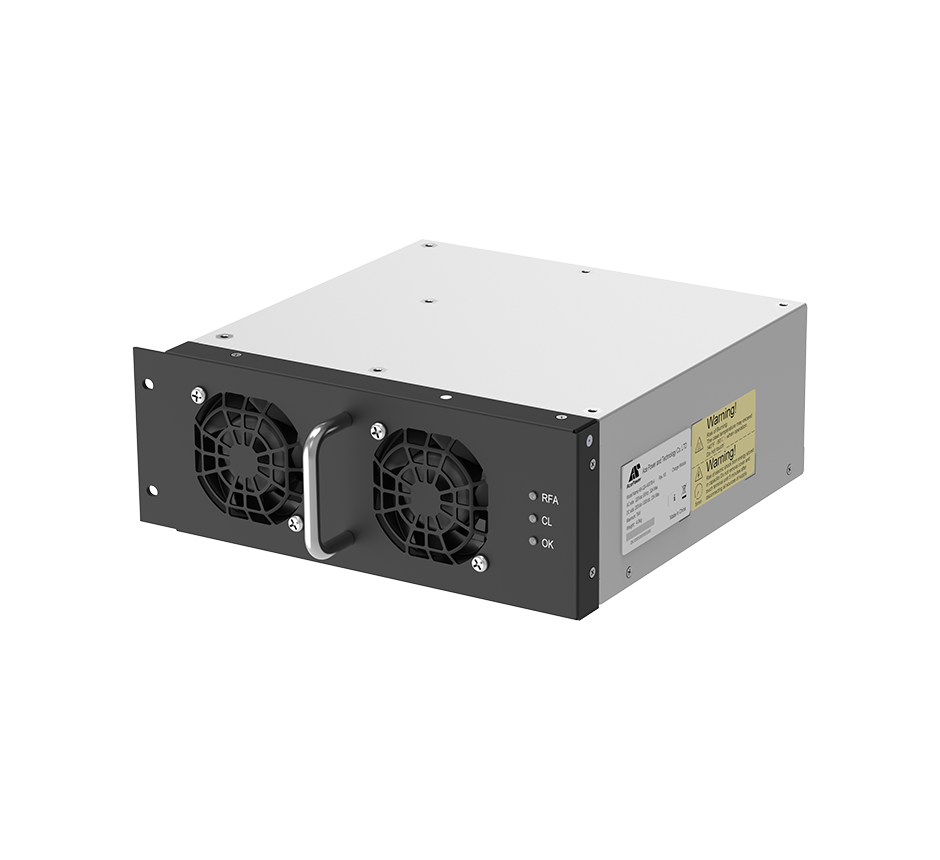
As the electric vehicle (EV) market continues to grow, the demand for energy-efficient charging solutions is paramount, especially for residential and small-scale commercial applications. The 7kW EV DC charger module presents a practical solution for harnessing efficiency while supporting diverse EV battery systems. Companies like AcePower are at the forefront of enhancing these systems to ensure they meet contemporary energy demands effectively.
Ensuring Robust Performance with Versatile Design
The design of the 7kW EV charger module plays a vital role in energy efficiency. AcePower’s 7kW EV DC charger module features a wide input voltage range of 90–264V AC and an output voltage ranging from 200 to 1000V DC. This flexibility ensures stable operation under various grid conditions, which is essential for energy management in residential environments where power supply can fluctuate. By accommodating a broad spectrum of voltage inputs, the charger module can operate efficiently in diverse settings, thereby maximizing energy utilization.
Another significant aspect of maximizing energy efficiency lies in the module’s compact design. Space constraints often hinder the deployment of charging infrastructure, especially in urban areas. The compact nature of the 7kW charger module not only simplifies installation but also minimizes the physical footprint required for charging stations. This design feature is particularly advantageous for small businesses and residential areas, where maximizing usage of space is critical. By reducing installation complexity and ensuring cost-effectiveness, service providers can expand their charging networks efficiently.
Leveraging Advanced Technology for Enhanced Efficiency
Incorporating advanced technology is another effective strategy to enhance the energy efficiency of the 7kW EV DC charger module. Utilizing intelligent control systems enables real-time monitoring and adjustments, optimizing the charging process to match the requirements of the EV battery systems. Such systems can analyze charging patterns and adjust power output accordingly to maximize energy use and minimize losses, all while ensuring compatibility with various EV platforms.
Additionally, employing technologies such as peak shaving and load balancing can further enhance energy efficiency. Peak shaving allows the charger to draw less power during peak demand times, effectively managing the energy load and reducing overall electricity costs. On the other hand, load balancing ensures that multiple chargers can operate simultaneously without overwhelming the grid, promoting an efficient distribution of energy resources.
Furthermore, integrating renewable energy sources, such as solar panels, with the 7kW EV charger module can lead to substantial energy savings. This not only reduces reliance on traditional power grids but also aligns with initiatives focused on sustainability and reducing carbon footprints in residential and commercial sectors.
Empowering Efficient Charging Solutions
Maximizing energy efficiency in 7kW EV DC charger modules is essential for advancing charging infrastructure in both residential and small-scale commercial applications. AcePower’s commitment to developing high-quality 7kW EV charger modules demonstrates the potential for reliable performance and scalability while meeting the demands of a growing electric vehicle market.
By focusing on robust designs, advanced technologies, and strategic integration of renewable energy, stakeholders can drive significant improvements in energy efficiency. This approach not only benefits businesses and consumers but also advances sustainability goals in the evolving landscape of electric mobility.
